1988 marked padel’s leap from Spain-Argentina roots to global sport
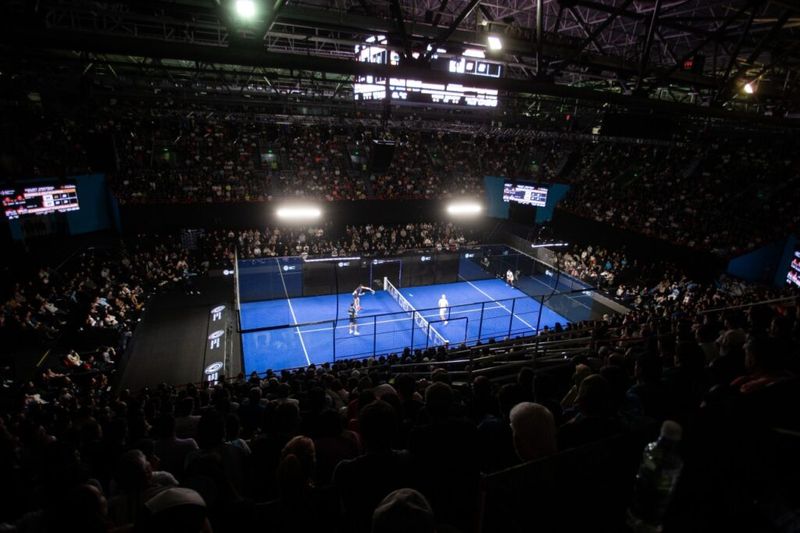
Padel did not become global through a single breakthrough. It moved from Enrique Corcuera’s improvised court in Las Brisas, Acapulco, into a Spain-Argentina system that gave the sport its first rules, its first institutions, and its first elite rivalry.
From an accidental court to two power centers
Corcuera created the first padel court in 1969 after using walls and metal netting to make the most of limited space at his home in Acapulco. That accident became the sport’s starting point, but Spain and Argentina gave it structure. Prince Alfonso of Hohenlohe carried padel to Spain in the early 1970s and built courts at the Marbella Club Hotel, while Julio Menditeguy helped establish the game in Argentina, where it found immediate traction.
Those two countries did different kinds of work. Spain provided social prestige and institutional backing; Argentina supplied the faster pulse, the commercial energy, and the competitive culture that would define early padel. By the 1980s, the sport had already spread beyond its original sphere to Brazil, Uruguay, Chile, France, the United States and Canada, a sign that the Spain-Argentina axis was no longer a local curiosity but the center of a widening circuit.
1988 made the rivalry official
The key year is 1988 because it turned a shared sport into a recognized international system. In La Plata, the Asociación Platense de Padel, or APPTAS, had already appeared in 1987 as the first official padel-related institutional organization in Argentina. The following year, Oscar Cacho Nicastro led the group that founded the Argentina Padel Association, the world’s first national padel association.
That same year also brought the first Spain-Argentina international competition, staged in January in Mar del Plata, Buenos Aires Province. In August, the first Argentine team traveled to Spain and visited Bilbao, Madrid and Marbella. Those trips did more than fill a calendar; they made the bilateral relationship tangible, with Argentine players entering the Spanish scene and Spain becoming a proving ground for the sport’s next phase.
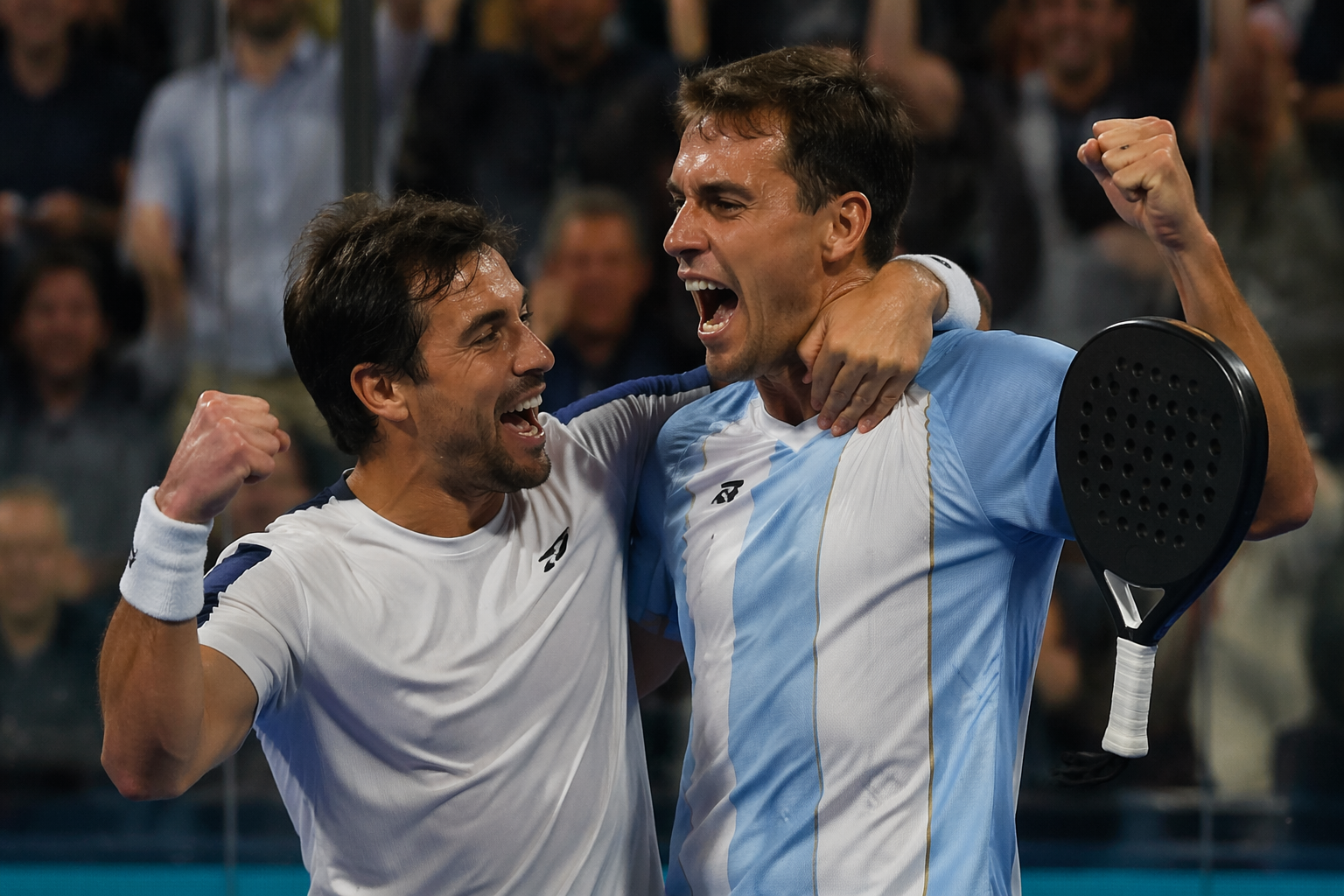
The year mattered because it connected organization to identity. Argentina was no longer just a fertile playing culture, and Spain was no longer just an early adopter with elegant club settings. Together they became the model for how padel could travel, compete and build legitimacy beyond its birthplace.
The portable court changed what padel could be
The next turning point came in 1989, when coach Jorge Galeotti of Mar del Plata introduced the Crystal Palace, the first detachable and transportable glass court. FIP treats that innovation as pivotal because it solved one of padel’s biggest expansion problems: how to stage the sport in places that did not already have permanent facilities.
That matters because padel’s early growth was as much about portability as popularity. A sport built on enclosed walls and compact dimensions needed a court that could move with its audience, and the Crystal Palace gave organizers a way to take padel into new cities, new venues and new markets. Once the court itself could travel, the sport’s expansion stopped depending entirely on fixed club infrastructure.
The institutional chain followed fast. The International Padel Federation was founded in 1991, and the first World Padel Championships arrived in 1992. By then, the Spain-Argentina exchange had already become the sport’s organizing principle rather than just its origin story.
The first champions were mostly Spanish and Argentine
The results on court matched the politics off it. FIP’s roll of honour shows Argentina and Spain at the top of the earliest World Padel Championships, both in national-team competition and in pairs play. Argentina won the men’s title in 1992, 1994 and 1996, while Spain and Argentina traded women’s titles across the first editions, a pattern that gave the rivalry real competitive weight.
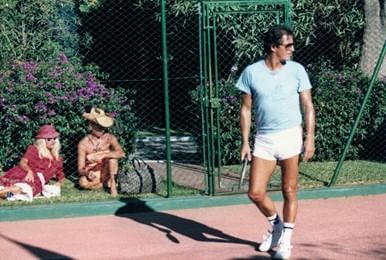
The player list from that era reads like a founding roster. Argentina’s Cecilia Baccigalupo, Virginia Mazzuchi, Adriana Costagliola, Alejandro Lasaigues, Roberto Gattiker and Paula Eyheraguibel helped shape the sport’s early identity, while Spain’s Iciar Montes and Carolina Navarro became central to the women’s game. These were not isolated stars in separate markets; they were the names that appeared again and again as padel’s first championships built a shared history.
That recurring Spain-Argentina battle did something other international sports often struggle to achieve early on: it gave padel a recognizable elite standard. Fans could see which countries set the pace, and organizers could see which matchups drew attention, which made the rivalry both a sporting and commercial engine.
Barcelona standardized the sport, and the map kept widening
In 1997, Spain and Argentina met in Barcelona to unify the rules and standardize the name pádel, which had been called paddle in Argentina. That agreement mattered because a sport cannot scale cleanly if its rulebook and even its name keep shifting across borders. By the late 1990s, FIP says there were already 11 national federations, five in Europe and six in the Americas.
That growth still reflected the original template. Spain supplied the club culture, visibility and institutional framework. Argentina supplied the player pipeline, competitive intensity and business momentum. Even the modern spread of the sport follows that pattern in places like Mexico, where padel moved from five official states in 2018 to 29 of 31 states by 2024, with more than 320 clubs.
Mexico shows how the Spain-Argentina model travels. Corcuera’s improvised court, Galeotti’s portable glass design, and the 1997 rule unification all point to the same lesson: padel globalized when it became easy to stage, easy to standardize and impossible to separate from the two countries that gave it its first real shape.
Sources
- [1]padelfip.com