Winning a single NCAA championship match is hard enough. Winning two — in different disciplines, potentially on the same afternoon, against opponents preparing specifically for each format — is the kind of achievement that belongs in the same conversation as a Major League Baseball perfect game: theoretically possible, historically almost invisible.
The Rarest Double in College Tennis
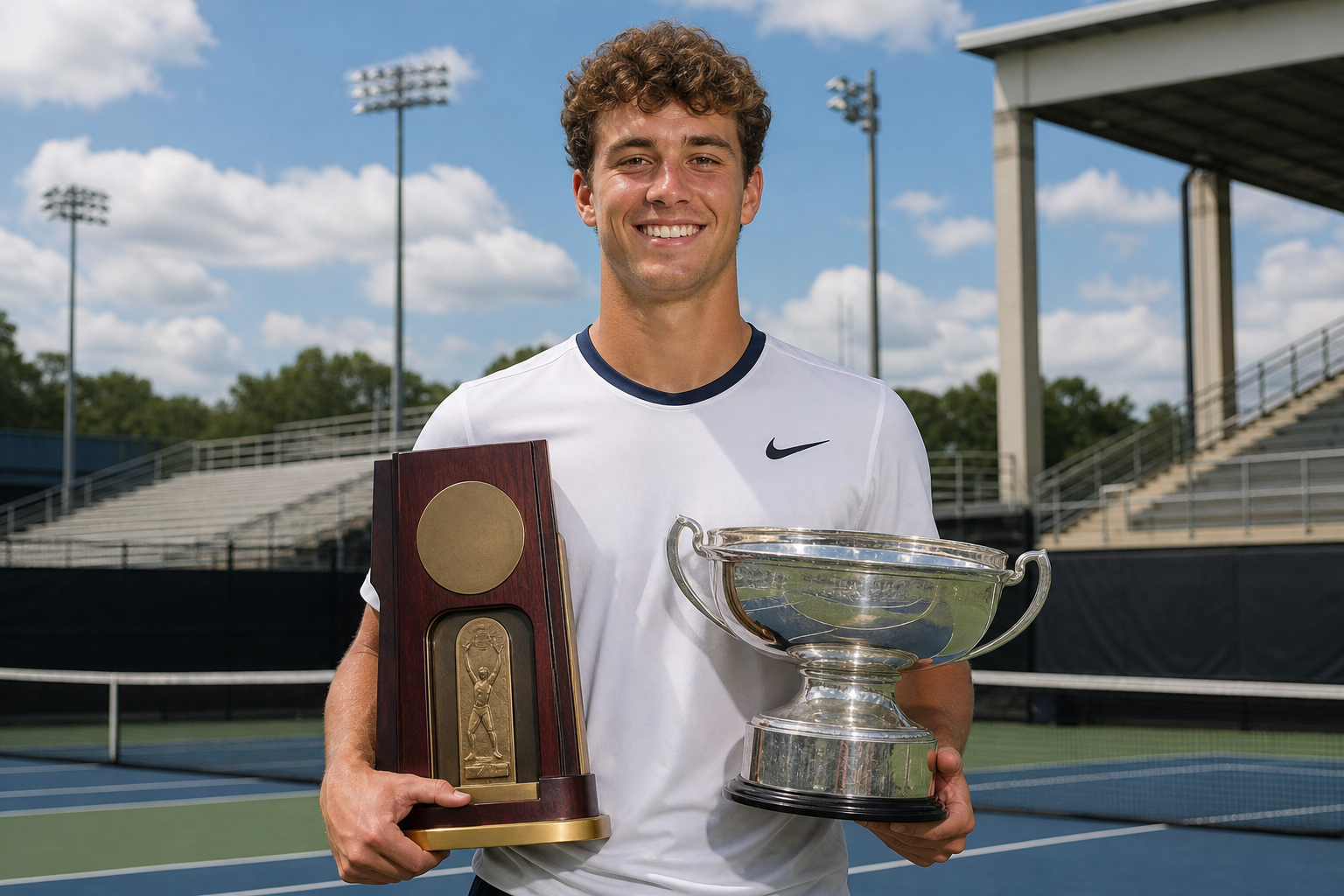
In a sport where elite players routinely specialize, winning both the singles and doubles titles at the NCAA Men’s Tennis Individual Championships demands a physical and mental output that has almost no parallel in college athletics. The comparison to a baseball perfect game is more than rhetorical. A perfect game asks one pitcher to hold concentration across nine innings against a single lineup. The singles-doubles sweep asks a player to beat entirely different opponents, in two structurally different competitive formats, often within hours of each other — with no margin for error in either bracket.
The stakes are real and unforgiving. The NCAA Division I Men’s Tennis Singles and Doubles Championships field singles players and doubles teams in a single-elimination bracket where one loss ends the tournament entirely. With the bracket reset approaching, now is the right moment to understand exactly what this achievement demands — and why it remains so rare.
How the Championships Actually Work

Both singles and doubles follow a single-elimination structure. One loss and your tournament is over. Singles matches are contested as best-of-three sets, meaning a player can burn through two full, high-intensity sets before walking onto a doubles court the same afternoon alongside their partner.
That scheduling reality is central to understanding the sweep’s difficulty. A player deep in both draws isn’t just managing strokes — they’re managing energy reserves, tactical adjustments between formats, and the psychological gear-shift from individual competition to partnership chemistry. Singles tennis at this level rewards controlled aggression and mental endurance over long baseline exchanges. Doubles rewards quick reflexes, net positioning, and split-second communication with a partner. These are complementary skills, but they are not identical ones, and switching between them mid-day is genuinely taxing.
The single-elimination format also compresses opportunity. Dominant players meet quality opposition earlier and more consistently, and there is no second-chance path back into the draw once a loss is recorded.
The SEC’s Outsized Shadow Over the Draw

Any honest preview of the individual championships has to reckon with one conference. The SEC qualified 16 singles players and six doubles teams for the 2025 NCAA Men’s Tennis Championships — representing exactly half the singles field and a significant portion of the doubles draw from a single conference. That is not a quirk. It reflects structural advantages that have compounded over years: year-round outdoor court access across the Sun Belt, deep scholarship rosters, and recruiting pipelines that consistently attract top international junior players into the college game.
For any player realistically threatening a singles-doubles sweep, that concentration matters. The path to both titles will almost certainly run through at least one SEC opponent. A realistic sweep contender needs to be prepared for that.
That said, SEC dominance in participation numbers is not a guarantee of titles. ACC programs, Big 12 contenders, and schools from smaller conferences have regularly reshaped late rounds, and upsets are a feature of single-elimination tennis, not an anomaly. The conference produces depth; it does not predetermine outcomes.
What Makes the Physical Demand Different From Any Other Sport
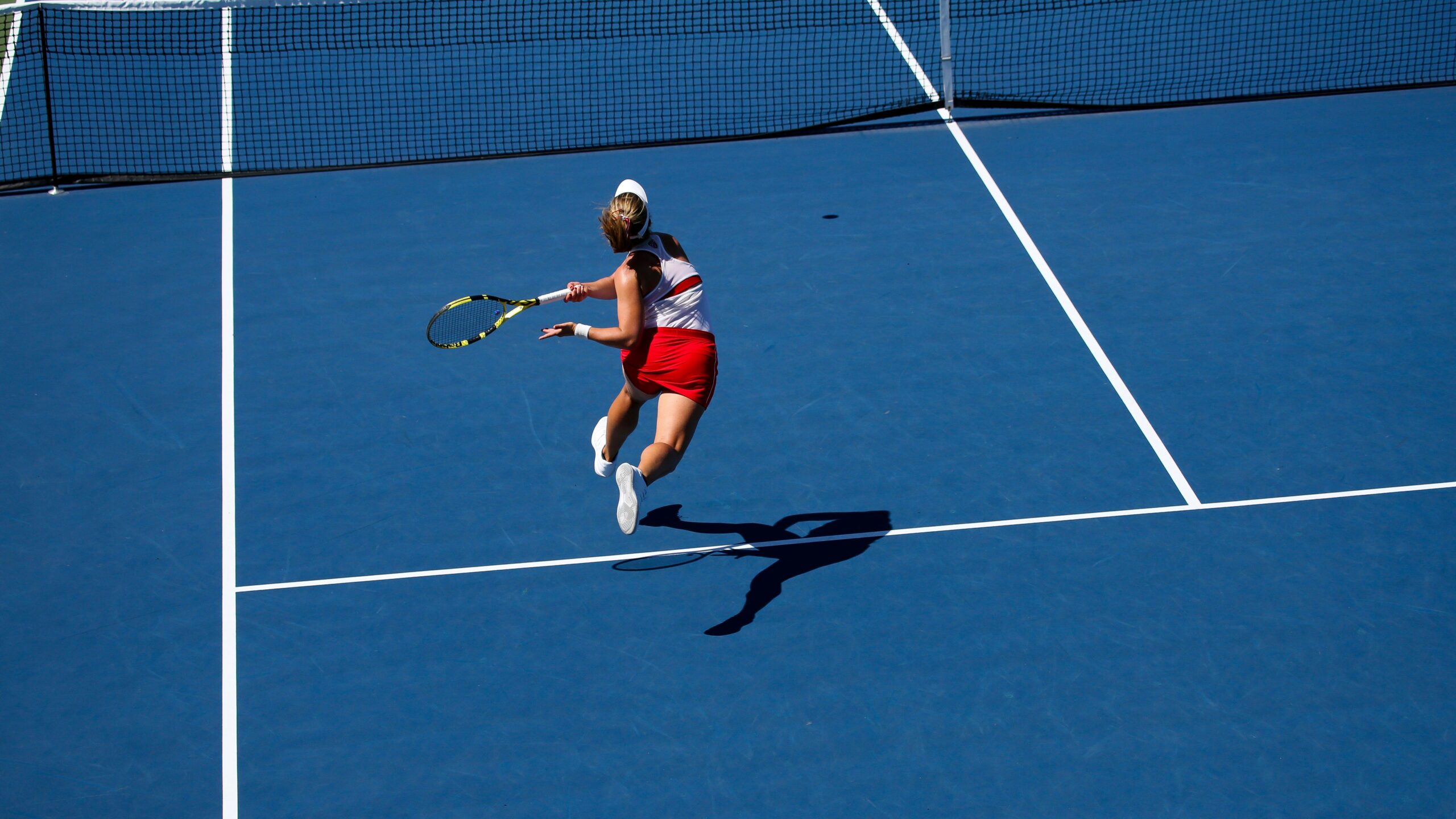
It is worth being precise about why the doubles portion of a potential sweep is not a lighter lift than singles. The serve-and-volley aggression, net positioning, and reaction speed required at the collegiate doubles level make it a genuinely taxing discipline. Players who approach doubles as a secondary event — a chance to coast — do not win titles at this level.
Best-of-three singles in a single-elimination bracket means a player can already have spent the better part of two hours at maximum intensity before the doubles draw begins. Add to that the partner dependency inherent in doubles: a sweep requires a second player — the partner — to also survive every round, perform under pressure, and maintain chemistry across the entire bracket. That is a variable entirely outside the singles competitor’s control, and it is one more reason the sweep is so hard to engineer.
Historically, the rare players who have threatened both titles tend to be all-court athletes with strong net games — players capable of shifting between the baseline grind of singles and the volley-heavy demands of doubles without a complete tactical overhaul. Specialists at either end of the court spectrum face a structural disadvantage in attempting the double.
The Historical Record — and an Honest Admission About It
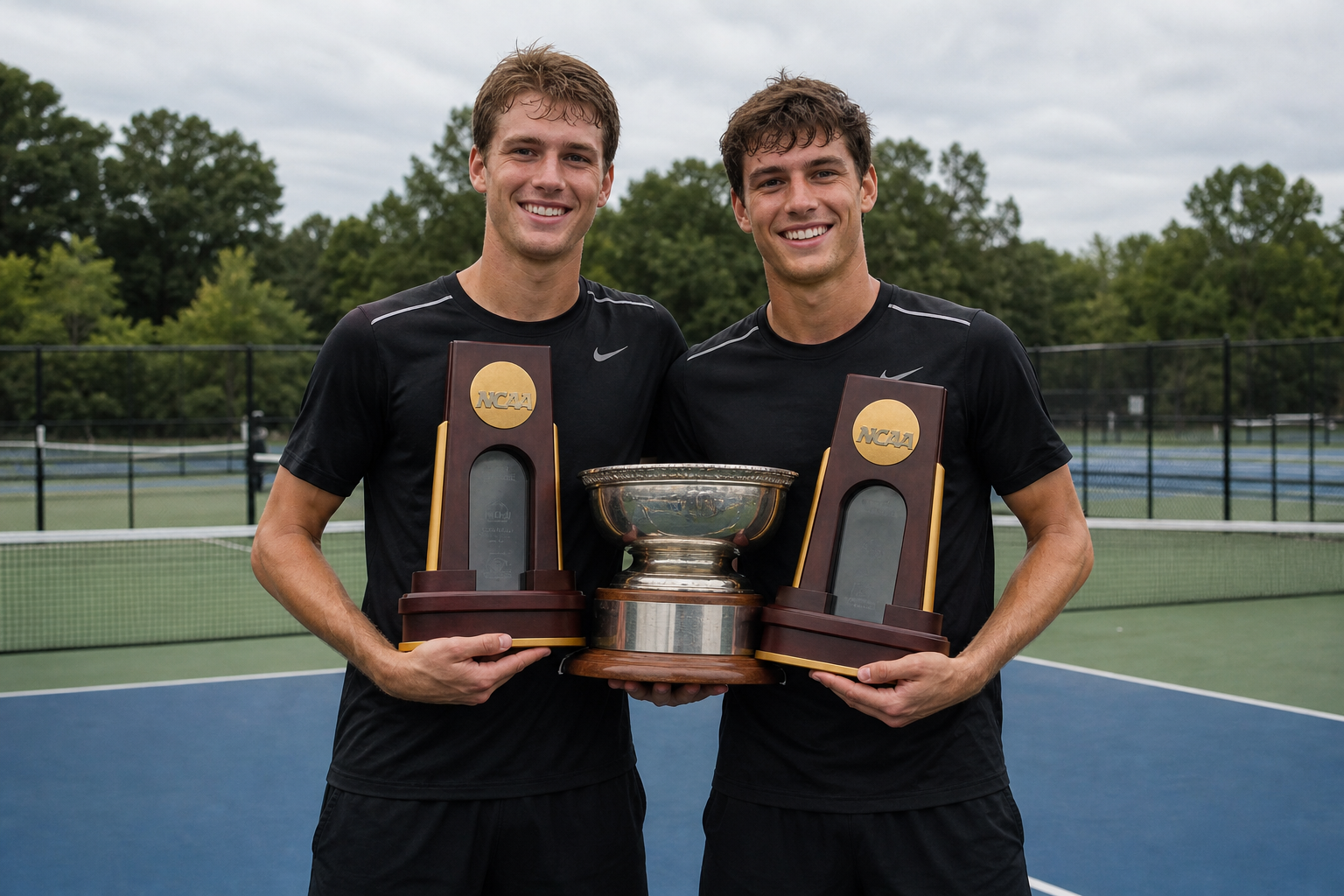
Editorial transparency matters here. Verified case-by-case records for every singles-doubles sweep in NCAA Men’s Tennis history are not comprehensively catalogued in a single public database, and this article does not manufacture a list of past champions where attribution cannot be confirmed.
What the record books do establish is context: the NCAA has conducted individual tennis championships since 1946, giving the event nearly eight decades of competitive history. Across that timeline, the singles-doubles sweep — requiring the same player to win both brackets in the same championship — appears with striking infrequency in official records. MLB has seen fewer than two dozen verified perfect games across roughly 150 years of professional baseball. The singles-doubles sweep in NCAA tennis occupies a similarly rare column: achieved by a small number of players across the event’s long history, and not achieved at all in most years.
That rarity is precisely what gives the question its weight as each new field takes shape.
One Scheduling Distinction Worth Knowing
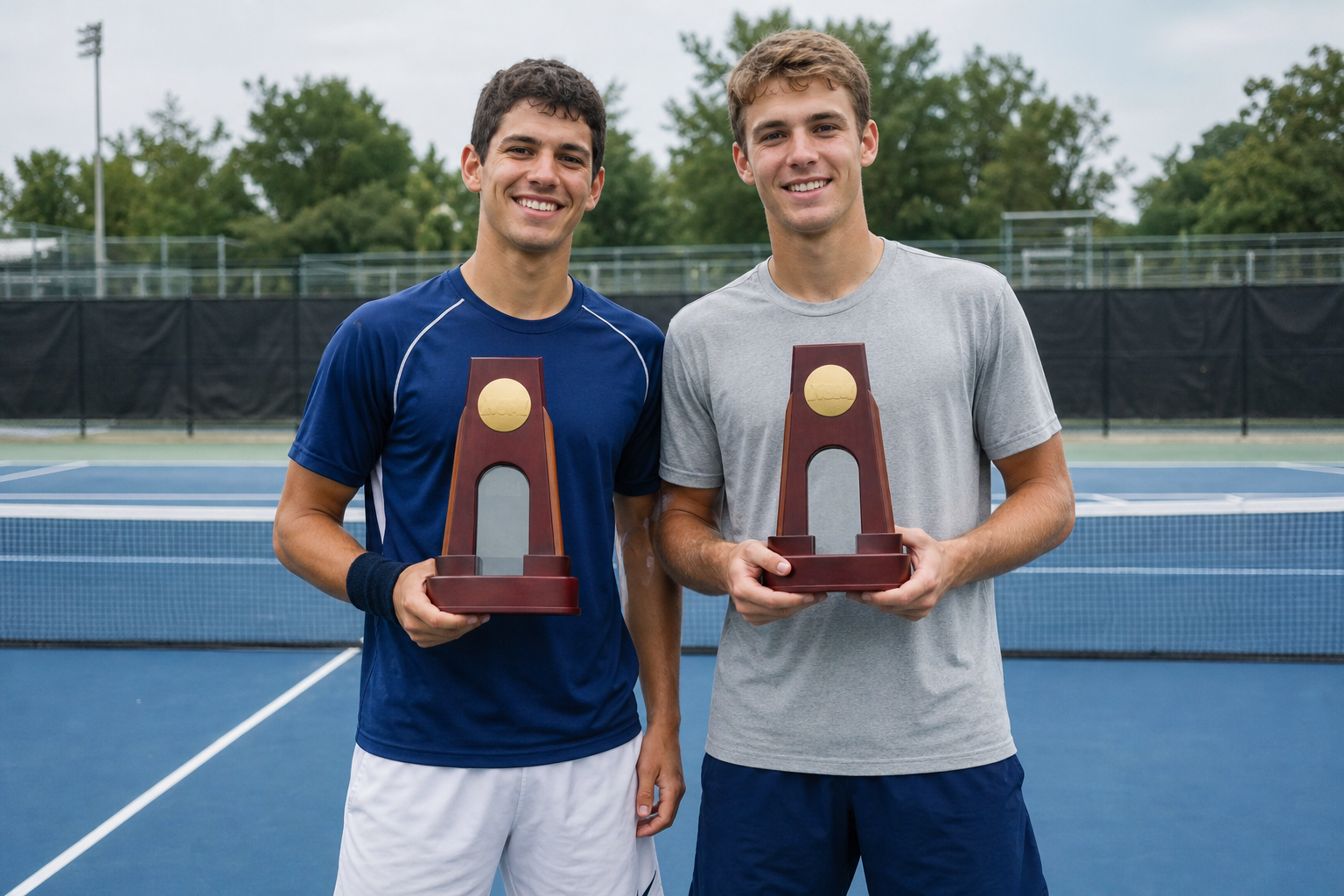
For fans tracking both team and individual competition, one clarification matters. The individual singles and doubles championships are entirely separate from the NCAA Division I Men’s Tennis Team Championships. Different dates, different formats, different crowns. A team title and an individual title exist in separate competitive universes, and confusing the two obscures what each demands of the players who pursue them.
What to Watch as the Field Takes Shape
The first thing to track is the selection process itself. The NCAA’s selection determines which players enter both the singles and doubles brackets — identifying dual entrants is the foundational step in evaluating realistic sweep candidates. Florida State’s preparation ahead of the 2025 individual championships illustrates how programs approach bracket positioning and dual-draw strategy in the weeks before competition begins — the kind of program-level detail that shapes who actually contends.
Given the SEC’s 16-player singles presence in 2025, the conference pipeline will again likely produce multiple players with legitimate shots at deep runs in both draws. But the doubles partnership question is equally critical: a player eyeing the sweep needs a doubles partner who is also a top-caliber pairing — meaning the partnership decision made before the bracket is released is as strategically significant as any on-court preparation.
Beyond the power conferences, NESCAC selections for the NCAA singles and doubles tournament serve as a reminder that the draw pulls from across the country — and that underrepresented conferences occasionally produce the competitors who rewrite the history of an event.
The championships arrive each year with a clear historical question attached. Will anyone add their name to one of college tennis’s rarest achievement lists? The answer begins the moment the bracket drops — and not a point before.