Every single Cleveland Browns win in 2024 has been decided by four points or fewer — and after six consecutive nail-biters, the NFL world is finally asking the question that Browns fans have been nervously avoiding: is this a team built to win tight games, or one that keeps getting away with it?
Six Wins, Six Near-Misses — The Numbers That Define Cleveland’s Season
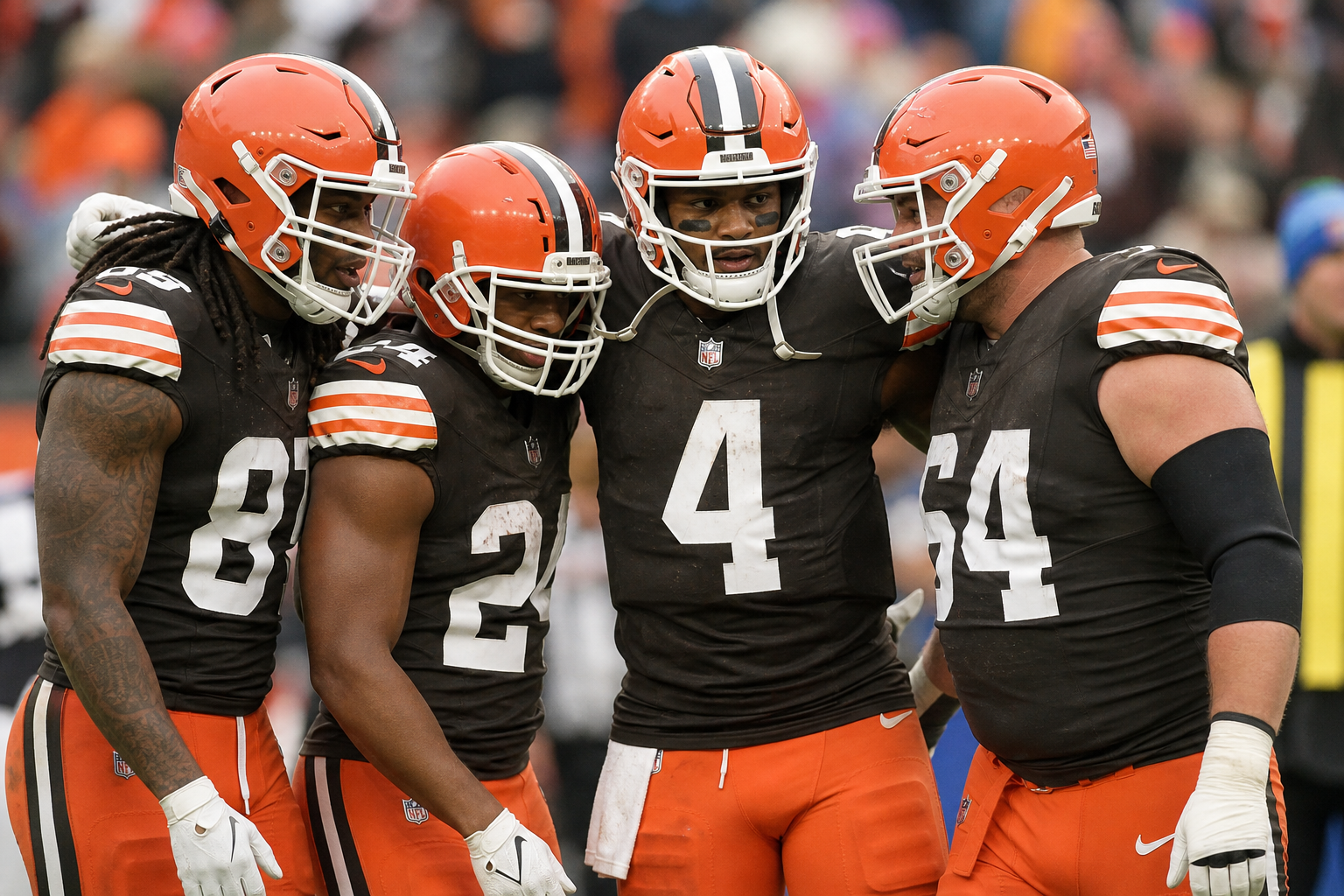
The Browns’ win column entering Week 11 reads like a stress cardiogram. Their six victories have come by margins of 4, 3, 3, 3, 3 and 3 points — not one of them a comfortable cushion, every single one a one-score finish that happened to go Cleveland’s way. That kind of statistical consistency in close wins is genuinely rare in the modern NFL, and it demands a serious explanation rather than a shrug.
The latest entry in that streak was a comeback victory over the Houston Texans — a result that finally moved the needle in the weekly standings. ESPN’s Week 11 NFL power rankings placed Cleveland inside the top 15 for the first time this season — a credibility marker driven entirely by the win column, not by dominant performances. It is a milestone, but also a question mark in bold type.
The losses tell a completely different story. Cleveland’s four defeats came by 24, 5, 21 and 1 point. Two blowouts, one narrow escape, one coin-flip that went the wrong way. That lopsided loss profile — either squeaking through or getting dismantled — is the portrait of a high-variance team rather than a consistently dominant one. There is almost no middle ground in the Browns’ season, and that absence of middle ground is the most revealing fact about them.
What the Power Rankings Actually Say Entering Week 11
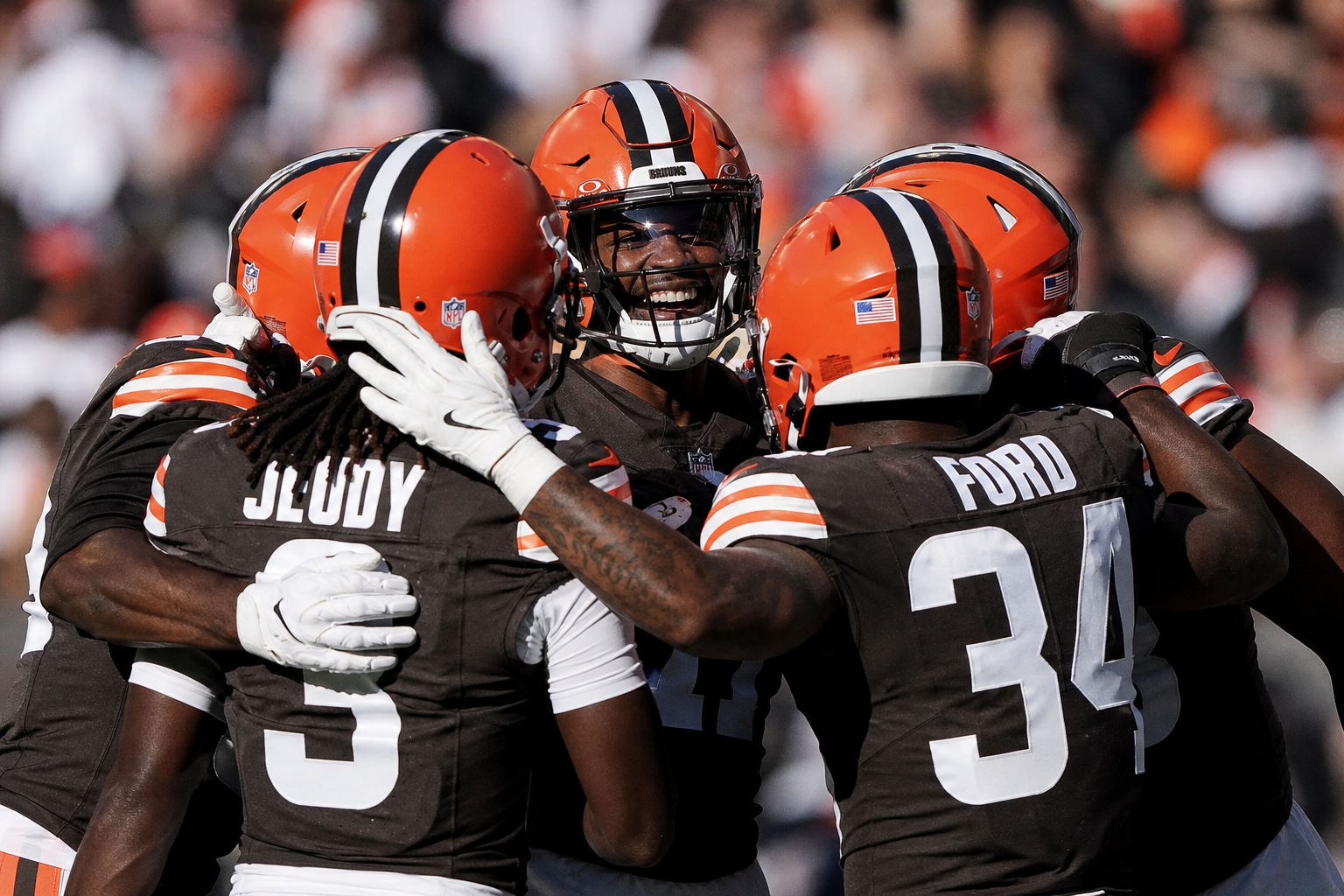
Raw wins got Cleveland into the top 15, but the underlying metrics paint a more complicated picture — one that is simultaneously more encouraging and more alarming than the record alone suggests.
The genuinely encouraging number: the Browns rank 9th in DVOA (Defense-adjusted Value Over Average, a Football Outsiders metric that weights opponent quality and game situation rather than raw output). A top-10 DVOA figure is not noise. It suggests that, adjusted for context, Cleveland is performing at a legitimately competitive level. Yahoo Sports notes in its Week 11 breakdown that DVOA has historically proven a stronger predictor of future performance than current win-loss record — which means this number deserves genuine respect, not dismissal.
The mid-tier numbers: Cleveland sits 14th in point differential and 15th in net EPA (Expected Points Added — a play-by-play efficiency measure that estimates how much each play shifts a team’s expected scoring). Both figures land squarely in functional, not fearsome, territory. They suggest a team doing enough to stay competitive without routinely controlling games.
The alarming number: 30th in yards per game on offense. Dead last in the entire NFL. The Browns are not winning with volume, pace, or offensive firepower. Whatever is keeping them competitive in close games, it is emphatically not their yardage output. That gap between a 9th-place DVOA and a 30th-place offensive ranking is striking — it implies Cleveland’s defense and special teams are almost entirely responsible for carrying the efficiency numbers, with the offense contributing as little as it possibly can while still winning football games. That is an extraordinary structural imbalance to sustain across a full season.
The Case for Cleveland Being Genuinely Good

It is worth taking the optimistic argument seriously before stress-testing it, because the optimistic argument has real substance.
A 9th-place DVOA is not an accident. It accounts for the fact that some of those close wins may have come against strong opponents in difficult conditions — context that raw scorelines strip away. If the Browns are genuinely a top-10 team by efficiency, the close margins may reflect a specific, deliberate identity: a defense and situational offense built to suppress scoring, control field position, and win low-scoring grind games. That is a legitimate NFL strategy with legitimate historical precedent. Close wins sustained over a full season can reflect elite clutch execution rather than dumb luck.
The honest qualification, clearly flagged as editorial judgment: without granular play-by-play data showing whether Cleveland is repeatedly protecting leads or repeatedly escaping from deficits, the distinction between clutch execution and fortunate variance remains an open question. The DVOA number is the best available evidence for the former. It is not conclusive proof.
The Case for a Ticking Clock

Statistical regression is not a theory — it is a documented pattern in NFL history. Teams that consistently win by three points will, over a large enough sample, begin losing some of those. The coin-flip variance that produced six consecutive narrow victories does not develop a memory. It does not know the Browns need the wins more than their opponents do.
The two blowout losses — by 24 and 21 points — confirm that Cleveland’s ceiling can be exposed when opponents solve whatever formula is making them competitive in tight games. Those results suggest the Browns are not an elite team occasionally failing to cover the spread; they are a specific-register team that either operates within its narrow comfort zone or gets pulled apart systematically.
The 1-point loss is perhaps the most instructive data point of all. It is the mirror image of every Browns win this season — the same game, the same margins, the same late-game swings, except one moment went differently. The line between Cleveland’s current record and a 5-5 record is genuinely, uncomfortably thin.
Playoff Chances in 2024 — Real, But Fragile
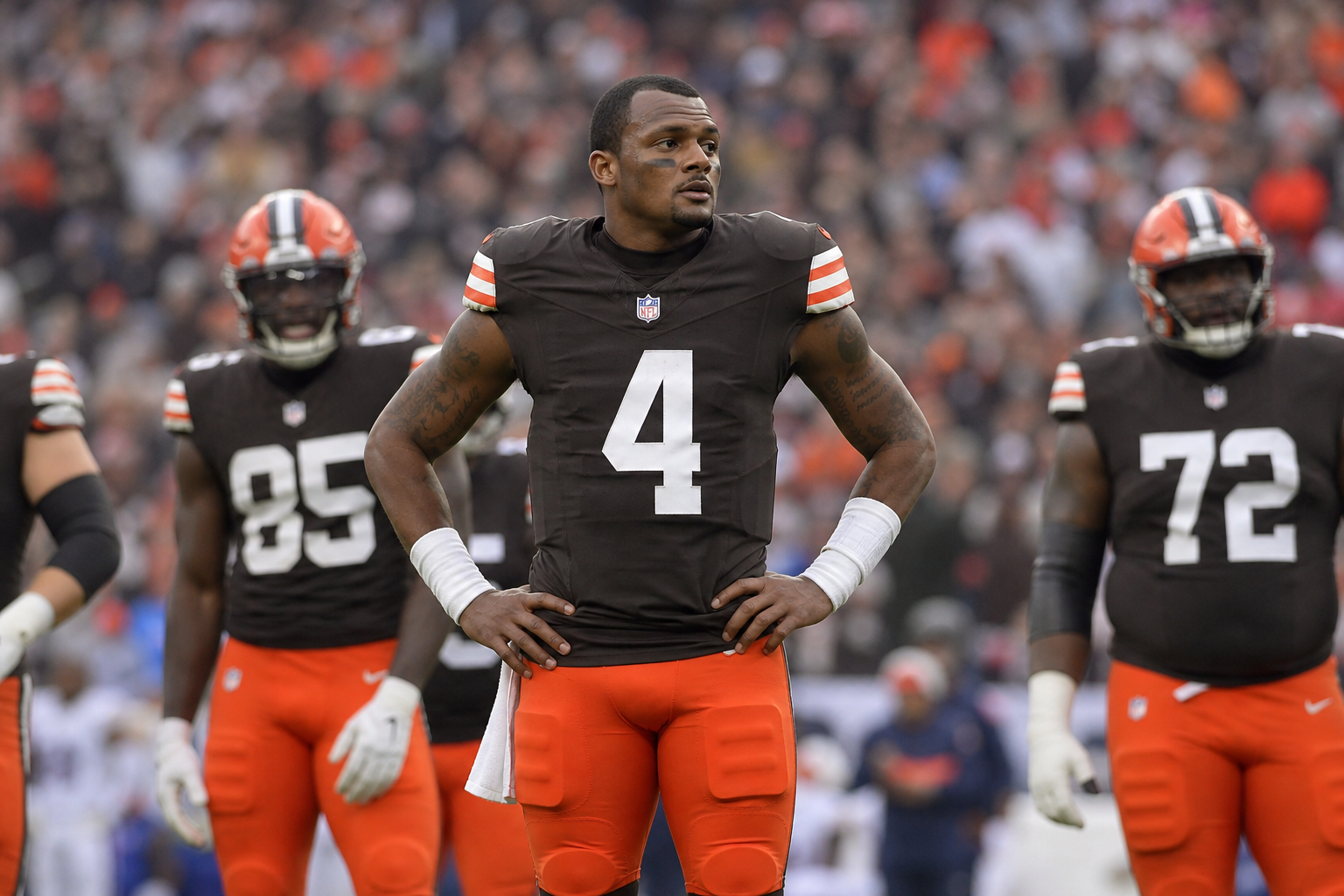
With six wins banked, the Browns are a live conversation for an AFC wild-card berth entering the second half of the season. FTN Fantasy’s Week 11 power rankings analysis captures the broader AFC wild-card picture — and Cleveland’s position within it is precarious precisely because of their point-differential rank.
Sitting 14th in point differential means that if tiebreakers become relevant at season’s end, Cleveland enters that conversation at a disadvantage relative to teams with similar records but larger margins of victory. A season built entirely on three-point wins offers very little cushion when the standings tighten in December.
The honest framing for Browns fans: the playoff chances are real, but they hinge on a specific set of conditions holding simultaneously — the DVOA-backed defensive efficiency staying intact, the situational execution continuing to deliver in fourth quarters, and any statistical regression arriving just late enough in the calendar to matter. That is a demanding set of conditions to maintain across eight more regular-season weeks against increasingly motivated opponents.
Verdict: Superpower, Ticking Clock — or Both?
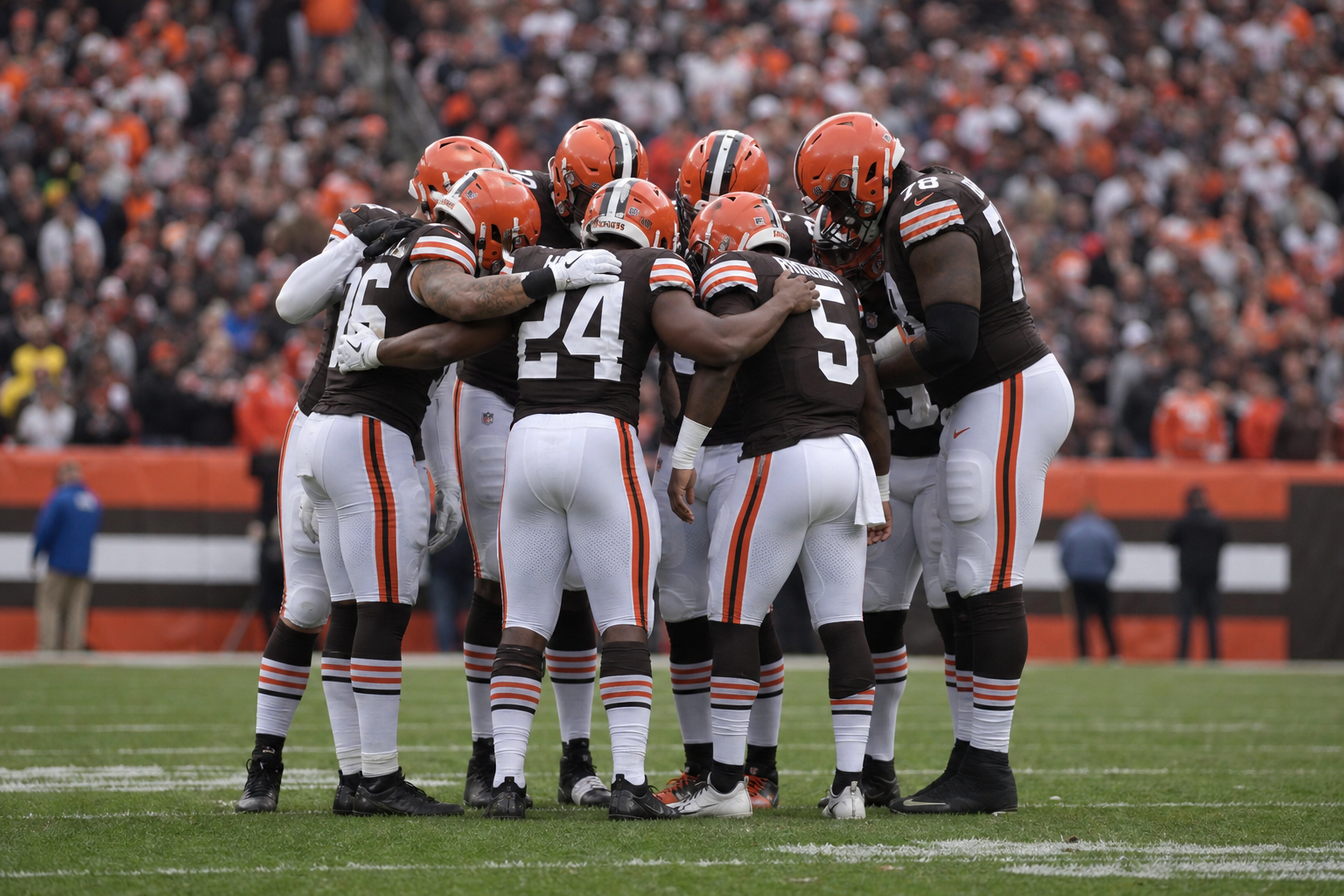
The superpower case stands on three legs: a 9th-place DVOA that cannot be dismissed as noise, six consecutive wins demonstrating a repeatable capacity to close games, and a top-15 power ranking entry that reflects real results against real NFL competition.
The ticking clock case stands on its own three legs: a 30th-place offensive yardage rank that is structurally unsustainable as a foundation for playoff football, two blowout losses confirming the team can be systematically taken apart by opponents with the right game plan, and win margins so thin that a single late-game swing in any one of those six games produces a completely different season narrative.
The honest answer — clearly labeled here as editorial opinion — is that the Browns are probably both simultaneously. They appear legitimately competitive within a specific, narrow register: low-scoring, defense-driven, late-game football. And they appear genuinely vulnerable to the regression that historically punishes teams living permanently on the margins. Those two things are not mutually exclusive. Some teams ride that tension all the way to January. Others watch the clock run out in December.
The question heading into Week 11 and beyond is straightforward, even if the answer is not: can Cleveland’s formula — whatever combination of defensive efficiency, situational execution and variance it actually consists of — survive a full NFL season intact? The Browns have six wins and a top-15 ranking as evidence it can. They have a 30th-ranked offense and two blowout losses as evidence the clock is already running.