The NCAA women’s tennis fall campaign carries no team standings, no conference titles, and no official wins or losses — yet as programs from UCLA to Ball State wrapped their autumn slates in early November 2026, coaches, players, and recruiters were already treating the results like binding verdicts on who starts, who slides, and who earns a spring roster spot. Understanding why requires a closer look at what the fall season actually does, who benefits most from it, and what the results from 2026 signal heading into January.
What the Fall Campaign Actually Is (And Isn’t)
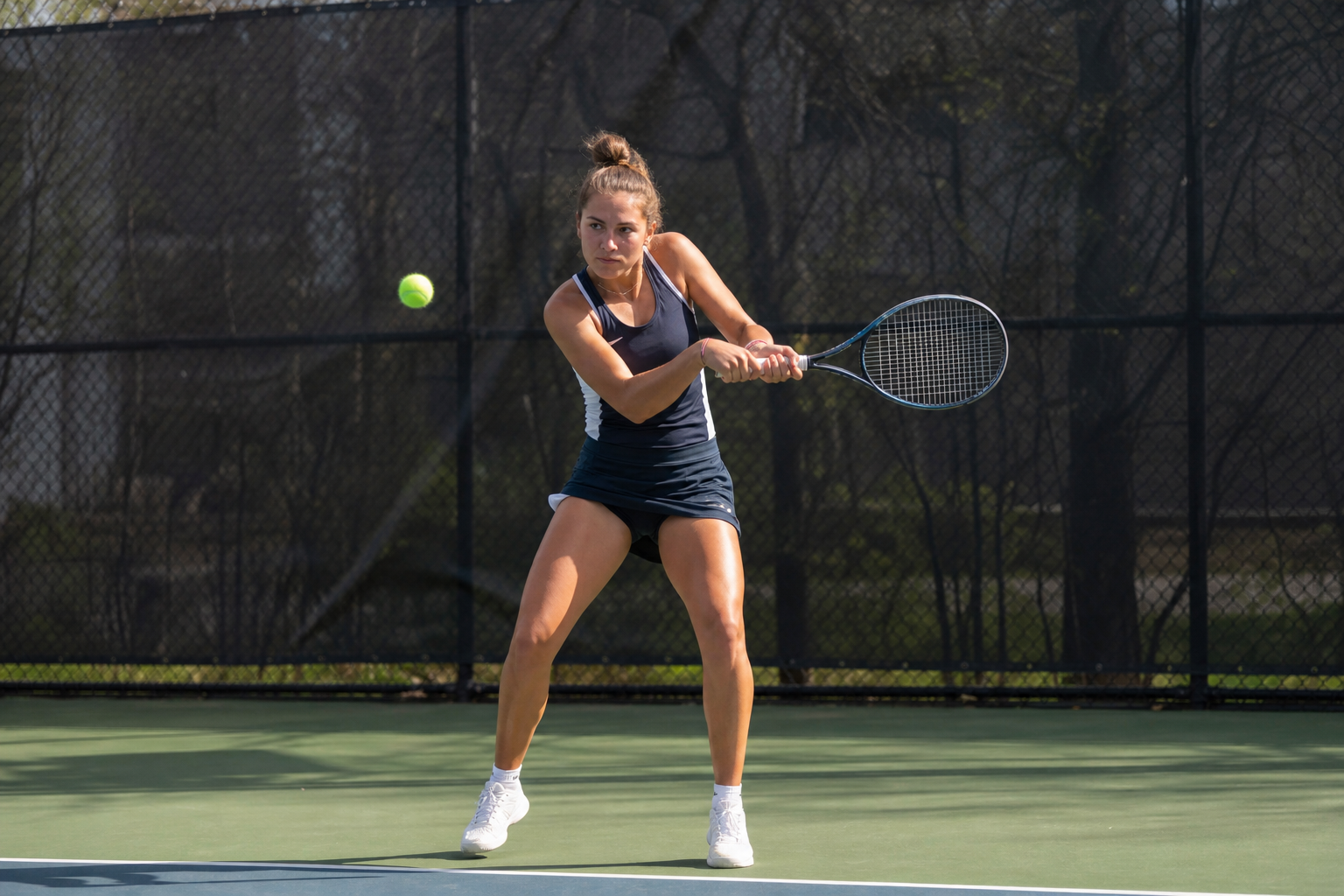
For anyone new to college tennis, the structure can feel deliberately confusing. The NCAA women’s tennis fall season is a voluntary stretch of individual tournaments and invitationals running roughly September through mid-November. No team wins or losses are entered into the official season ledger. No conference standings move. No NCAA Tournament bids are on the table.
That is the spring season’s job. From January onward, dual matches count toward conference records, national rankings climb or fall on official results, and the road to the NCAA Championship begins in earnest. Fall is officially developmental — designed for player evaluation, depth-building, and exposure to competition outside the program’s normal scheduling footprint.
What fall tournaments do produce matters enormously, however. Players accumulate individual match experience, generate unofficial head-to-head data, and — most consequentially — earn updated ITA (Intercollegiate Tennis Association) computer ranking points. Those points directly seed players entering spring, shaping lineup decisions before a single dual match is played.
The stakes are real. Pepperdine’s Grechkina reached the second round of the NCAA Women’s Tennis Singles Championships before falling on November 18, 2026, with her opponent dropping just one game in the second set to win 6-1 and advance to the round of 16. That result registers in the ITA ranking algorithm and signals both her readiness and her opponents’ scouting material heading into the spring dual-match season.
How Fall Results Feed Spring Rankings

The ITA ranking system uses fall tournament results to recalibrate both individual and team computer rankings before spring begins. A strong or weak showing in an NCAA women’s tennis fall individual tournament directly influences seedings, scheduling leverage, and even recruiting pitch. It is not a soft signal — it is arithmetic.
Individual performance at fall events, including the NCAA fall singles championships, contributes ranking points that shape who earns top-six lineup spots when dual matches start counting in January. The difference between a first-round exit and a quarterfinal run can move a player several spots in the national rankings, which in turn determines whether a program is seeded favorably or forced into a difficult early-spring schedule.
The consequences showed up clearly at UCLA’s fall campaign close: Kate Fakih and Ahmani Guichard were eliminated in the first round of the NCAA singles tournament at the Dan Magill Tennis Complex in November 2026. Early exits register in the ranking algorithm and may shift their projected lineup positions before the Bruins play a match that officially counts. Coaches rarely announce those adjustments publicly before January, but the fall data is the clearest signal available.
Programs That Closed Fall With Momentum — and Programs That Used It Honestly

The range of approaches across divisions illustrates exactly what the fall campaign is designed to accommodate, and the differences are instructive.
At the high-output end, the Owls posted 27 wins at the Dragon Invite on November 2, 2026, finishing 18-3 in singles and 9-3 in doubles. That density of match data gives their coaching staff a clear, evidence-backed picture of lineup options heading into conference play. Not a hunch — a spreadsheet. The volume matters as much as the results themselves: more matches mean more data points on player consistency, fitness under pressure, and doubles chemistry.
Marquette took a similarly methodical approach, wrapping its 2026 fall campaign at the Huskie Invitational in DeKalb, Illinois, on November 3, 2026. The event served as a final stress test for lineup combinations before Big East competition resumes — a chance to find out which doubles pairings hold under pressure without the result appearing in the official record. That is precisely the kind of low-consequence experimentation the fall format is built to enable.
Ball State closed its autumn slate at the Michigan State Fall Invite on November 8, 2026, with the program framing the tournament explicitly around player development and strategic adjustments — a candid acknowledgment that fall’s real purpose is figuring out what needs fixing before January, not accumulating a glossy record. That framing reflects intellectual honesty about the season’s function that not every program communicates publicly.
At the Division III level, Brandeis finished earlier than most, closing at the Polar Bear Invitational hosted by Bowdoin on October 12, 2026. The lighter slate reflects the resource and scheduling realities smaller programs navigate relative to Power conference schools — a gap that has direct consequences for ranking recalibration when spring arrives.
The Talent Identification Angle: Fall as Audition Season

Fall invitationals function as live scouting environments in ways that practice sessions never can. Opposing coaches watch lineups deploy under match pressure. ITA coaches’ polls get quietly revised after major fall events. For transfers and walk-ons competing for roster spots, fall is effectively an audition — sometimes the only competitive footage a coaching staff has before locking spring lineups.
Recruiting also runs hot during the fall window. Official visits frequently coincide with home invitationals, allowing recruits to watch the program compete under real match conditions rather than a scripted practice simulation. That timing is not accidental — programs with strong fall results have a tangible demonstration product ready precisely when high-value recruits are on campus making decisions.
The absence of team records creates a low-stakes environment that experienced coaches deliberately exploit: players can be tested in unfamiliar lineup positions or experimental doubles pairings without the result damaging the official win-loss column. That flexibility is a genuine structural advantage of the fall format — one that coaches would likely fight to preserve even if formal team records were introduced.
The Criticism: Does ‘Developmental’ Mean Uneven?

The fall campaign’s quasi-official status does not distribute its benefits equally, and that asymmetry deserves direct attention. Resource gaps mean some programs attend multiple ITA regional events and national fall championships, accumulating high-quality ranking points and match experience against elite competition. Smaller programs may schedule only one or two invitationals, entering spring with a narrower preparation window and fewer ranking points banked.
Critics within the sport argue this structure disproportionately benefits well-funded programs that can afford travel to competitive draws. A team that plays ten fall matches against ranked opponents enters the ITA ranking recalibration in a fundamentally different position than one that played four matches against regional competition. The ranking algorithm does not adjust for the opportunity gap — it processes the results it receives.
There is also an athlete welfare dimension the sport has not fully resolved. The fall campaign extends the competitive year, compressing recovery time — particularly for players who went deep into the previous spring postseason. The debate over whether fall should carry formal team records or remain officially developmental is ongoing within the ITA coaching community and was not resolved heading into the 2026 spring season. Both sides have legitimate arguments, and the absence of a clear resolution is itself a meaningful detail about how the sport governs itself.
What to Watch When Spring Arrives
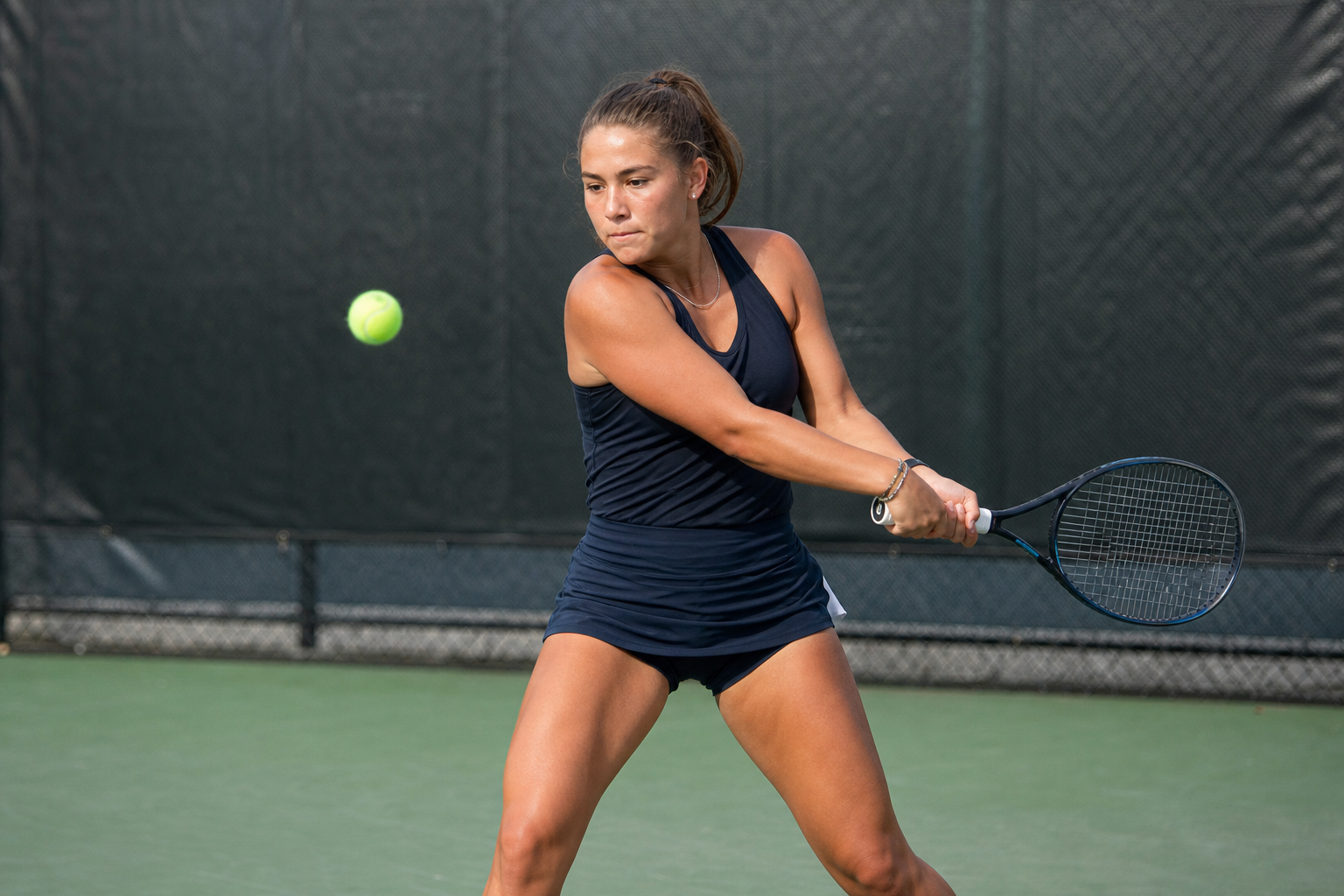
Programs that posted strong fall singles numbers enter spring with proven lineup depth and a psychological reference point coaches will cite in team meetings. The Owls’ 18-3 singles showing is exactly the kind of data that becomes a confidence anchor when February dual matches start and pressure rises. Numbers accumulated without consequence in the fall become motivational currency the moment consequences appear.
Players who reached the later rounds of NCAA fall individual events carry both a ranking boost and a scouting report into spring — opponents now have match tape and a mapped set of tendencies to work against. Grechkina’s second-round exit on November 18, 2026, was a creditable result in a competitive field, but the 6-1 second-set scoreline will appear in every opponent’s preparation file. Strong fall results are a double-edged outcome: they improve ranking and confidence while simultaneously advertising a player’s game to everyone she might face.
Watch for quiet lineup reshuffles at programs where top players exited fall tournaments early. Coaches rarely confirm changes publicly before January, but the fall results are the clearest signal the sport produces outside of official competition. The overarching story of the 2026 NCAA women’s tennis fall campaign is consistent with every year before it: a season that officially does not count has, once again, quietly counted for everything.