The Baseball Hall of Fame sits in Cooperstown, New York, because of a lie — a lie told by a man who had never met the person he was lying about, backed by a single witness whose only credential was a childhood memory six decades old. The story of how Abner Doubleday supposedly invented baseball in 1839 is one of the most successful frauds in American sports history, and it was built on ambition, nostalgia and very little else.
The Myth That Built a Hall of Fame
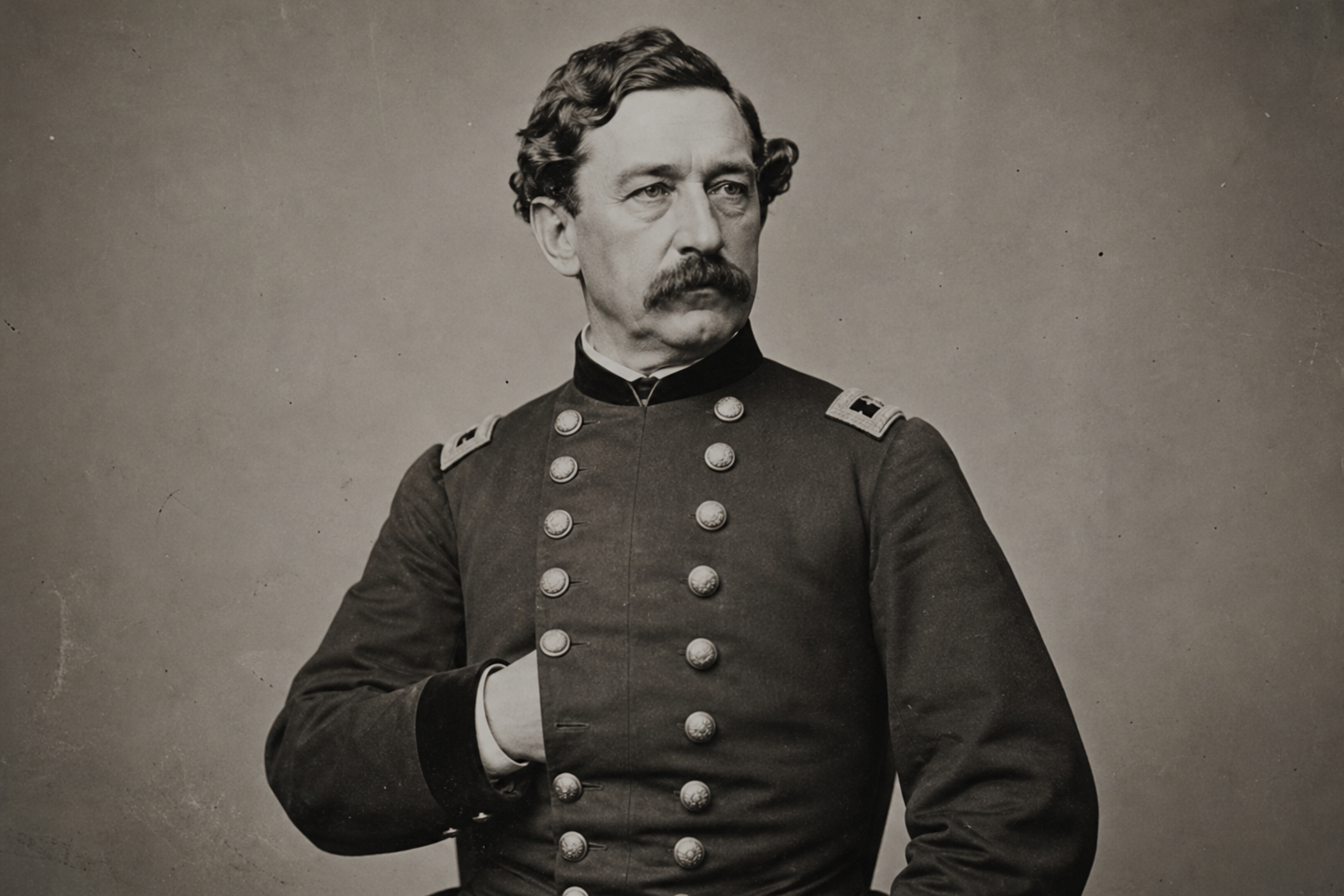
The founding legend of American baseball is simple and stirring: a future Civil War general named Abner Doubleday walked into a field in Cooperstown, New York, in 1839 and scratched the first baseball diamond into the dirt. From that moment, the story goes, America’s pastime was born.
It is entirely false.
The claim was persuasive enough, however, to determine where the Baseball Hall of Fame was built. When the Hall opened in 1939 — exactly one hundred years after the supposed invention — Cooperstown was chosen precisely because of the Doubleday story. The myth had been granted institutional permanence.
What makes the deception particularly striking is this: Abner Doubleday himself never once claimed to have invented baseball. Not in his letters, not in his diaries, not in any public statement across his entire lifetime. The man at the center of the legend never endorsed it.
Who Abner Doubleday Actually Was
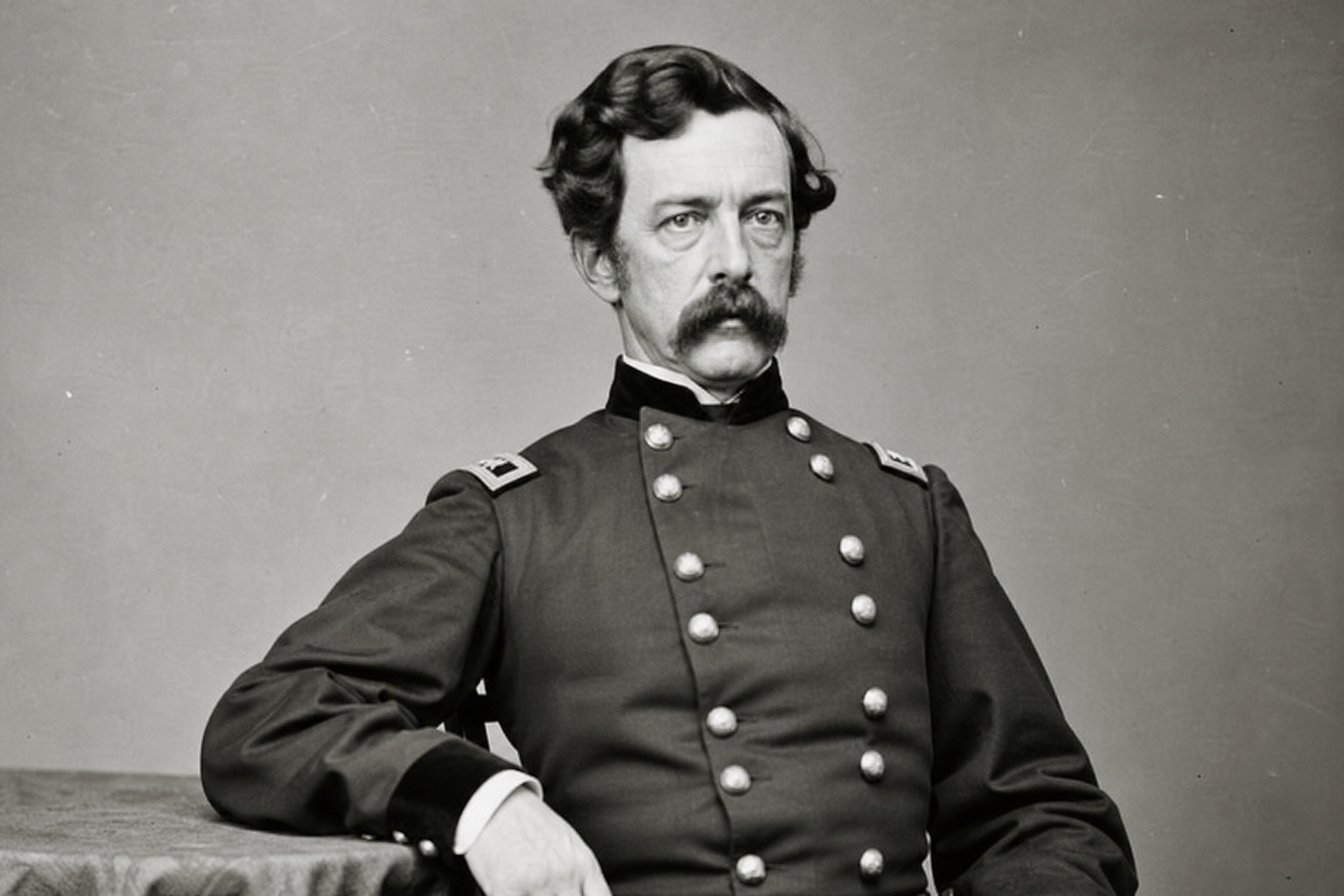
Abner Doubleday (1819–1893) was a career United States Army officer with a genuine and distinguished military record. He served under Major Robert Anderson at Fort Sumter, South Carolina, and is credited with firing the Union’s first shot of the Civil War in April 1861. He rose to the rank of Major General and commanded troops at the Battle of Gettysburg in 1863.
Baseball was simply not part of his biography. When Doubleday died in 1893, his lengthy obituaries contained no mention of the sport whatsoever. And in 1839 — the very year he was supposedly inventing the game in Cooperstown — Doubleday was a 19-year-old cadet at the U.S. Military Academy at West Point, New York, roughly 70 miles away. He had an alibi, and it was an entire institution.
His Baseball Reference entry exists only as a function of the myth — a decorated soldier filed under a sport he almost certainly never played at any organized level.
Al Spalding: The Myth-Maker With a Motive
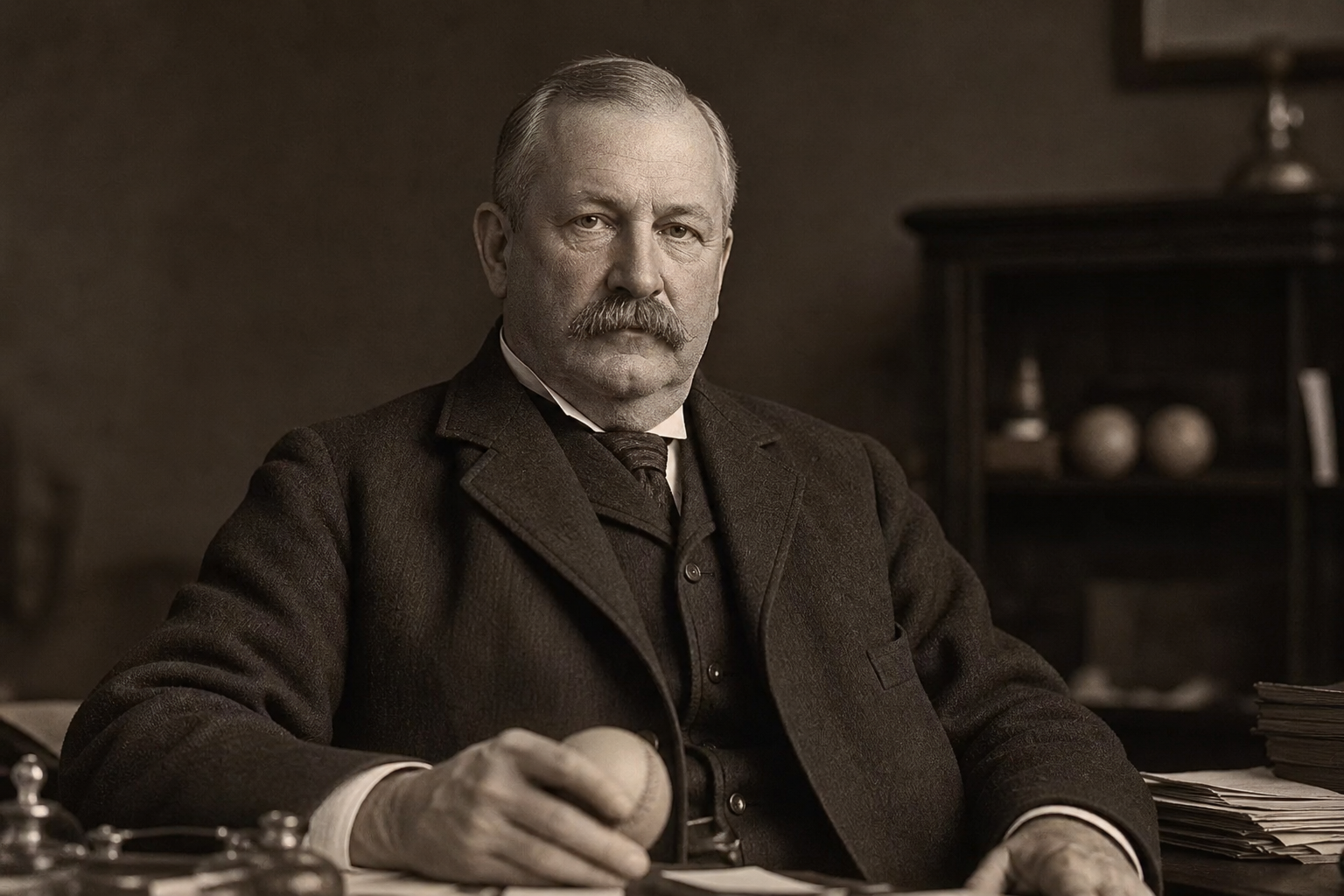
To understand where the lie came from, you need to understand Albert Spalding. He was one of the most dominant pitchers of the 19th century and later founded the Spalding sporting goods empire — a business built on the idea that baseball was a uniquely American product. He had every commercial and cultural reason to want the sport’s origins kept firmly on this side of the Atlantic.
By the early 1900s, a serious public debate had broken out over whether baseball had descended from the English children’s game of rounders. Spalding found this theory both personally offensive and commercially inconvenient. So in 1905, he pushed for the creation of the Mills Commission — a panel of seven men assembled specifically to settle the origin question — and made clear what answer he expected.
The commission’s chairman, Abraham Mills, had served in the same Civil War regiment as Doubleday. Historians now believe this connection made the general an emotionally appealing candidate as founding father, regardless of whether the evidence supported it. It did not.
It is worth noting that Mills had a personal connection to the sport itself: he had served as president of the National League from 1883 to 1884. A man with deep stakes in baseball’s prestige was now tasked with ruling on baseball’s origins — with the expected conclusion already telegraphed by the man who convened the inquiry.
The Single Witness Whose Story Fell Apart
The Mills Commission’s entire conclusion rested on one letter. It was written in 1905 by a mining engineer named Abner Graves, who claimed to have been present as a boy when Doubleday drew up the rules of the game in Cooperstown. Graves said he was approximately five years old at the time — meaning the commission’s decisive evidence was a 66-year-old childhood recollection from a man Spalding had personally solicited.
No corroborating documents, diagrams or additional witnesses were ever produced. The key witness had been found and introduced by the man who had already decided what verdict he wanted. As American Heritage has documented, the commission accepted this single account without examining a single primary source.
Graves’s credibility as a historical witness was not helped by what came later. In 1924 he shot and killed his wife and died in a New York State institution for the criminally insane. His instability does not by itself disprove his account — people with troubled lives can have accurate memories — but it underscores how thin the evidentiary foundation truly was. The entire Doubleday origin story rested on his word alone, and no independent evidence was ever gathered to test it.
Who Actually Shaped the Game
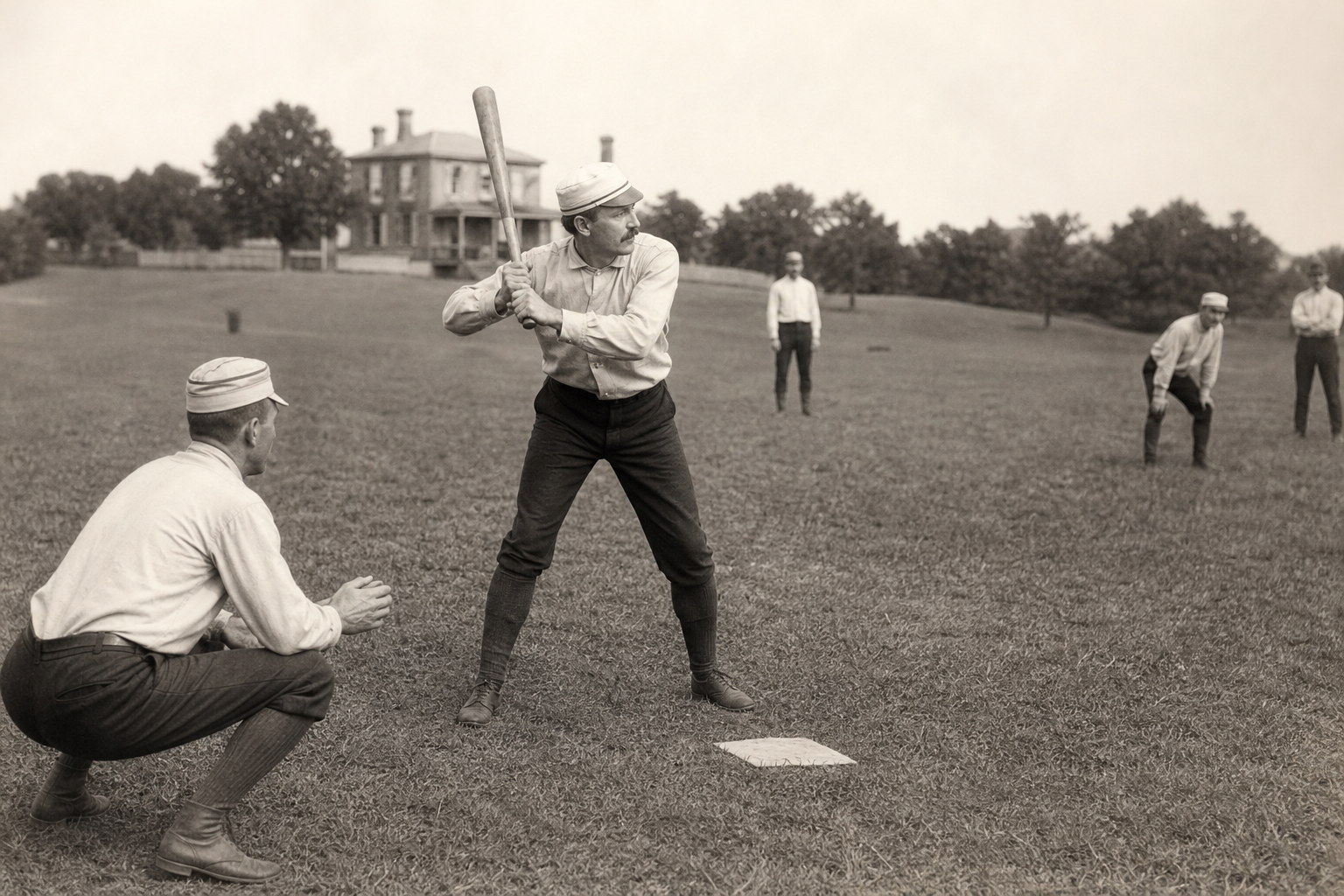
The honest answer is that no single person invented baseball on any single day — and sports historians have understood this for generations.
References to “base ball” appear in American print as early as 1791, in Pittsfield, Massachusetts — nearly half a century before Doubleday supposedly invented anything. Earlier folk versions of the game, including “town ball,” were played widely across the American Northeast long before anyone attempted to write down formal rules. The English game of rounders shares clear structural DNA with these early American variants, which is precisely why Spalding worked so hard to bury the connection.
Most academic historians credit Alexander Cartwright and the Knickerbocker Base Ball Club of New York with codifying the modern rules of the game in 1845, introducing the diamond-shaped infield, foul lines and three-out innings. But even Cartwright’s role has been complicated by subsequent scholarship. The Society for American Baseball Research has examined how the Cartwright narrative was itself shaped and simplified over time, illustrating that origin myths in baseball have a habit of crowding out more complicated truths. Cartwright’s election to the Hall of Fame in 1938 was accompanied by claims — such as his supposedly inventing the baseball diamond and the concept of foul lines — that researchers have since shown were overstated or applied retroactively.
The more accurate picture, as the Society for American Baseball Research and most academic historians now describe it, is that baseball evolved gradually from multiple folk games across decades and communities. No founding moment exists because none was needed. The game grew through use, argument, local variation and gradual standardization. It was not invented. It grew.
How the Lie Got Permanent Real Estate in Cooperstown
The Mills Commission published its Doubleday verdict in 1907. Spalding immediately promoted it as settled fact, and within a generation it had entered school textbooks and popular culture as unchallenged history. The machinery of repetition did the rest.
In 1934, a farmer unearthed a rotting baseball in a Cooperstown attic. The ball was immediately dubbed the “Doubleday Baseball” and treated as a genuine historical relic, even though no one could establish any connection between the object and Doubleday himself. A Cooperstown businessman named Stephen Clark used the ball and the broader legend to successfully lobby for siting the Baseball Hall of Fame in the town. The Hall opened in 1939, framed as a centennial celebration of a moment that never happened.
Cooperstown has never formally abandoned the myth. The Hall of Fame quietly acknowledges the historical debate in its exhibits, but the town’s tourism economy — estimated at around $60 million annually — remains heavily branded around the Doubleday story. The commercial incentive Spalding created in 1905 simply transferred to a different set of stakeholders. A legend that began as a businessman’s marketing preference became a small city’s economic foundation.
Why the Truth Still Matters
The Doubleday myth is not a harmless piece of folklore. It actively erased the documented contributions of the Knickerbocker Club and the generations of players, coaches and communities who actually shaped the sport through practice, argument and gradual refinement. Real history was displaced by a manufactured origin story designed to serve specific commercial and nationalist interests in the early 20th century.
Doubleday himself was wronged by it. A decorated soldier’s legitimate military legacy has spent more than a century being overshadowed by an association with a sport he almost certainly never played competitively — an association he never sought and could not have denied, because he was dead before the story was invented about him. His actual achievements at Fort Sumter and Gettysburg deserve to be remembered on their own terms.
The story of how the myth was constructed — a powerful businessman, a compliant commission, a single unverified witness, a commercial infrastructure that made correction inconvenient — is also a durable case study in how origin stories get manufactured and how difficult they become to dislodge once they acquire institutional support. Baseball history is richer and stranger than the Doubleday legend ever allowed. The real story stretches across communities, decades and an entire continent, shaped by people whose names were never recorded. It deserved better than Abner Graves’s 66-year-old memory and Albert Spalding’s commercial ambitions.