Acapulco 2026 FootGolf World Championship builds fan-first experience

Acapulco 2026 is built less like a closed championship and more like a live sports product. With Turtle Dunes Country Club and Tres Vidas Golf Club as the host courses, Princess Mundo Imperial as the host hotel, and an official broadcaster attached to the event, the FootGolf World Championship is being presented as a 12-day celebration for players, families, media, and spectators alike.
A championship designed around the full experience
The schedule is split cleanly down the middle. The Individual World Championship runs from May 27 to June 1, then the Team World Championship follows from June 2 to June 7, turning the tournament into a two-part showcase rather than a single weekend of play. That structure matters because it gives the event room to breathe, build momentum, and keep attention on the courses for nearly two weeks.
The scale is equally important. The official Acapulco site lists 1,240 players, 64 teams, 60 countries, and 50 federations. In FootGolf, that is not just a strong field, it is a sign that the World Cup is functioning as a genuine international festival, not just a championship with a trophy at the end.
Why the crowd experience is built into the product
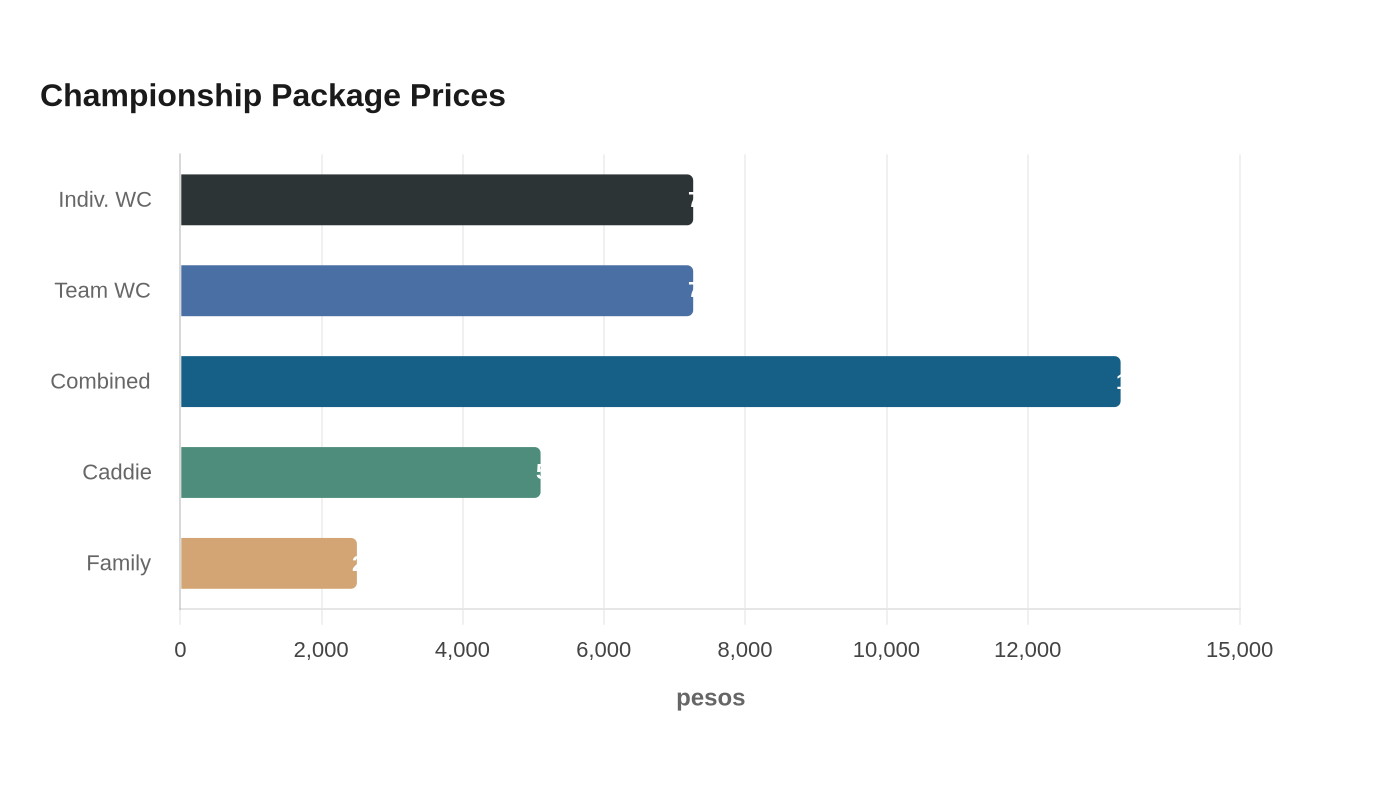
The sharpest part of Acapulco’s pitch is that it treats spectators as part of the event design. Family-and-friends packages begin at 2,500 Mexican pesos, and they explicitly include access to the stands, cart-path-only course access, and water. That is a smart mix: it gives non-competitors a real view of the action without turning the course into a free-for-all.
The player packages follow the same logic. The Individual World Cup package is priced at 7,260 pesos, the Team World Cup package is also 7,260 pesos, and the combined individual-plus-team package is 13,310 pesos. Each one includes a welcome kit, transportation between the hotel and courses, green fee, hospitality with food at course tents, hydration, and access to recognition and award ceremonies.
That is the part of the model that can change how FootGolf is perceived. A niche sport looks different when it is packaged like a destination event, with logistics handled up front instead of left for players and families to improvise on site.

The packages tell you who this event is for
The accommodation structure does not stop with the athletes. Caddie packages are set at 5,100 pesos for either the individual or team event, and they include transport, box lunches, and access to the course tents. That gives the support side of the field a defined place in the championship economy instead of treating caddies as invisible extras.
• Individual World Cup package: 7,260 pesos, with transport, green fee, hospitality, hydration, and ceremony access. • Team World Cup package: 7,260 pesos, with the same core benefits. • Combined individual-plus-team package: 13,310 pesos, for players doing both events. • Caddie package: 5,100 pesos, with transport, box lunches, and tent access. • Family-and-friends package: starts at 2,500 pesos, with stand access, cart-path-only access, and water.
That kind of tiering is how you turn a tournament into a product family. Players get a standard competition package, caddies get their own operational lane, and families can buy into the atmosphere without needing a full competitor credential.
Media is not an afterthought here
The broadcast plan makes the same point from a different angle. The official media page says the event is meant to captivate both live audiences and stream viewers, while offering exposure across local, regional, national, and international platforms. That is a big claim for any niche sport, but the structure around Acapulco suggests the organizers understand what modern visibility actually requires.
The photo and video coverage setup backs that up. The organizers limited the number of players who could purchase coverage packages for logistical reasons, which tells you content production was planned as part of the event flow, not bolted on after the field was set. In practical terms, that means FootGolf is being treated like a sport with broadcast inventory, not just highlight clips.
That matters for media partners because the event is trying to create clean, repeatable viewing windows. A broadcaster can work with a venue that has clear transport, defined access points, and a schedule that separates individual and team competition. A chaotic field is hard to cover. A managed festival is easier to sell.
The growth story is in the numbers
The scale of Acapulco becomes even clearer when you line it up against FootGolf’s World Cup history. The first FootGolf World Cup was held in Hungary in June 2012 with 79 players from 8 countries. The second, in Argentina in January 2016, drew 227 players from 26 countries. The third, in Morocco in December 2018, reached 503 players from 33 countries. The fourth, in the United States in May 2023, brought in 972 players from 39 countries.
Acapulco pushes that trajectory again. An official FIFG post on the individual championship says more than 700 players from over 50 nations competed across Turtle Dunes and Tres Vidas over four rounds, which shows how much international reach the event already has before the team competition even begins. FIFG also frames the FootGolf World Cup as the sport’s highest level of international competition, hosted every four years, so every increase in field size lands as part of the sport’s long-term expansion story.
Why Acapulco is trying to win more than a title
The local pitch is just as deliberate. The Municipal Government of Acapulco, with support from Abelina López Rodríguez, Noé Peralta Herrera, the Federación Mexicana FootGolf, and the Acapulco Tourism Secretariat, backed the championship presentation and pointed to more than 1,200 participants coming to the city. That is not just sports administration, it is destination marketing.
Organizers have also tied the event to two iconic worldwide brands to expand exposure and impact, a clear signal that Acapulco is being sold as more than a venue. The city, the hotels, the courses, and the media plan are all doing the same job: making FootGolf feel legible to families, casual fans, and commercial partners.
That is why Acapulco 2026 stands out. The leaderboard still matters, but the real play is bigger than the leaderboard. If FootGolf wants a wider audience, this is the blueprint: clean scheduling, real spectator access, defined hospitality, and a broadcast setup that makes the sport look ready for prime time.