AI Takes Center Stage in NFL Draft Preparation as Teams Embrace New Technology
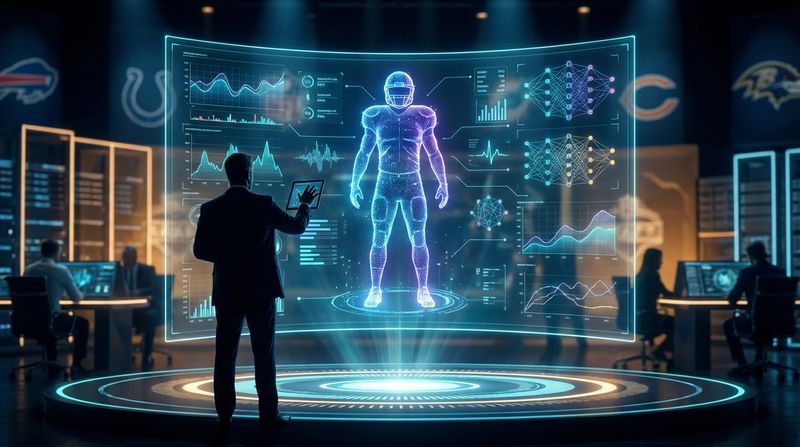
NFL draft preparation is undergoing a dramatic transformation, as franchises increasingly turn to artificial intelligence to gain a competitive edge. A notable shift is occurring in how teams evaluate prospects, especially when traditional data sources are unavailable.
In recent years, it has become more common for top prospects to skip workouts at the NFL Scouting Combine. This absence limits direct measurement of critical physical attributes such as 40-yard dash times, vertical jumps, and agility drills. As a result, teams have begun integrating AI-driven analytics to bridge these information gaps.
According to league insiders, when a prospect opts out of combine events, clubs now utilize artificial intelligence models to project the player's measurables. These sophisticated systems draw on vast historical datasets, encompassing previous combine results, college game performances, and biometric profiles. By analyzing these factors, AI tools generate estimations for missing data points—enabling teams to make more informed decisions even in the absence of firsthand testing data.
- AI models leverage thousands of past combine measurements and game stats to create highly tailored projections for each player.
- These projections can include likely 40-yard dash times, shuttle run results, and strength benchmarks based on similar athletes' data.
- The technology helps mitigate the uncertainty that arises when a prospect's physical capabilities can't be verified through in-person testing.
The integration of AI is pushing NFL draft prep to what many in the league describe as "a different level." While traditional scouting methods—such as film review and in-person interviews—remain essential, artificial intelligence offers a new layer of analytical rigor. Teams are able to synthesize vast amounts of data more efficiently, identify hidden patterns, and uncover insights that might otherwise go unnoticed.
While the widespread adoption of AI in the draft process is still evolving, its early impact is already being felt. Franchises that embrace these innovations are hoping to reduce risk and improve the accuracy of their draft selections, especially in rounds where small margins can yield significant returns. As the technology matures, it is expected to play an even greater role in shaping the future of talent evaluation across the league.
Sources
- [1]ESPN NFL