Anderson Cup remains USHL’s toughest test of season-long excellence
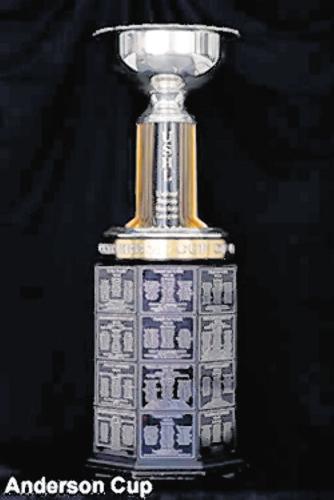
The Anderson Cup is the USHL’s regular-season championship, but it carries the weight of a league title, not a consolation prize. The trophy has been awarded every year since 1973, stands nearly five feet tall, and cost more than $5,000 to build in 1973. It is named for Harold Anderson, whose influence helped shape the Midwest Junior Hockey League, the USHL’s predecessor.
A trophy built for the long haul
The cup matters because the USHL season is built to punish shallow teams. In 2026-27, all 16 clubs will again play a 62-game schedule, beginning at the USHL Fall Classic in Chicago and ending on April 3, 2027, in the league’s 25th season as USA Hockey’s only Tier-I junior league. That kind of calendar rewards more than skill at the top of the lineup. It rewards depth, lineup stability, special teams, goal prevention, and the ability to survive stretches of travel, injuries, and roster churn without losing pace.
That is why the Anderson Cup has always been a clean measure of program strength. It does not ask which team got hottest in one week. It asks which team was best over months of road trips, back-to-backs, and the daily grind of junior hockey. In a league that describes itself as the leading 16- to 20-year-old junior hockey league in the world, the regular-season champion is not an afterthought. It is the team that handled the most demanding test the league offers.

Why the numbers make the cup so difficult
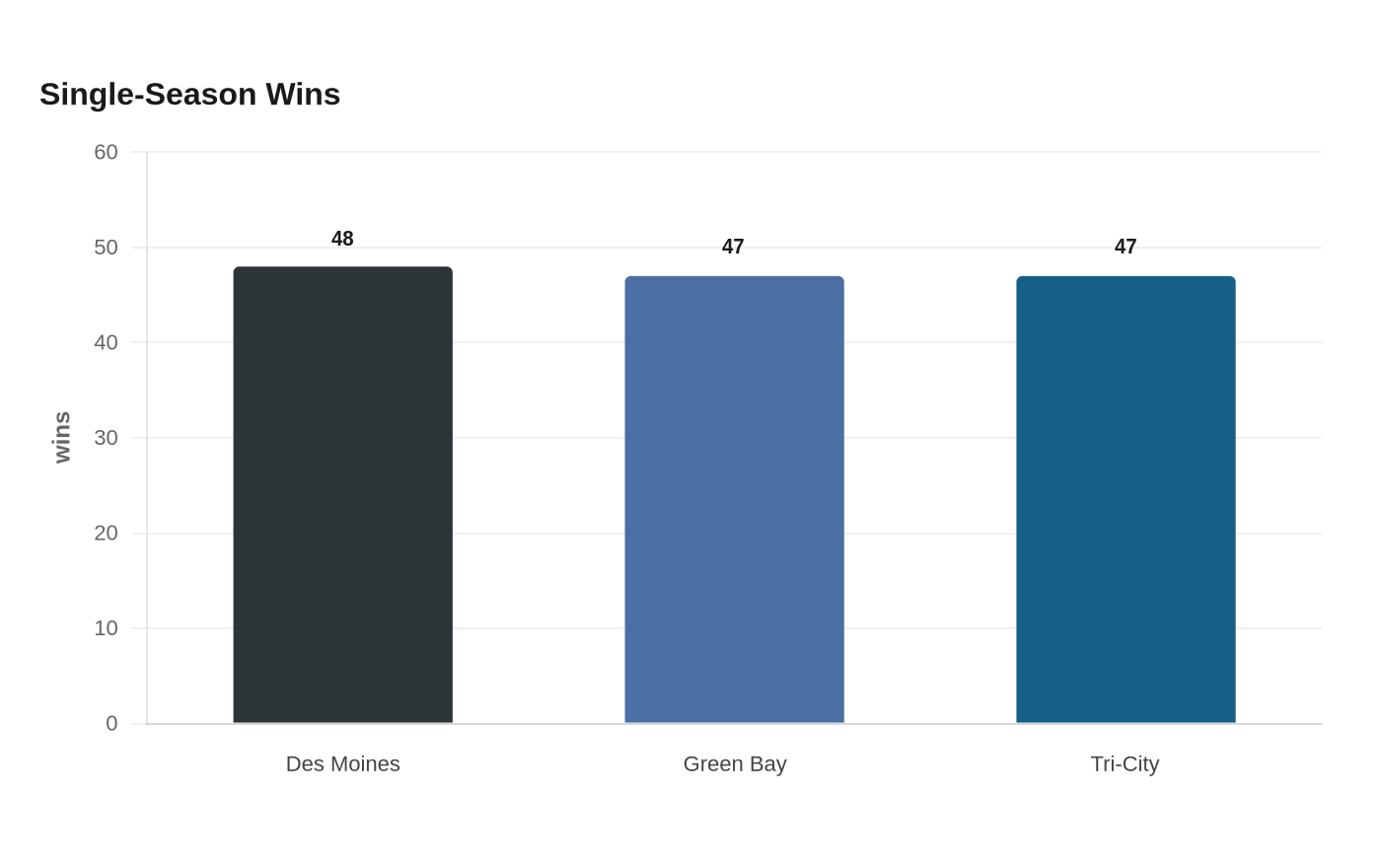
The record book shows how hard it is to separate from the field. Des Moines set the USHL single-season wins record in 1998-99 with 48 wins in 56 games. Green Bay posted 47 wins in 60 games in 2011-12, and Tri-City reached 47 wins in 62 games in 2021-22. Those are not just good seasons. They are near-perfect pacing jobs in a league where one rough road trip can flatten a contender’s margin.
Fargo’s 2023-24 season showed what a complete Anderson Cup profile looks like in modern form. The Force finished 47-9-2-0 with 96 points and led the league in goals scored, goals allowed, penalty kill, and power play percentage. That mix tells the story better than any slogan could. A team does not dominate every major category by accident, and it does not do it without a roster that can absorb injuries, keep structure intact, and win in different game states.
That is the central lesson scouts, coaches, and players take from the Anderson Cup. A strong regular season is never only about scoring. It is a proxy for repeatability. If a team can protect leads, kill penalties, generate offense, and keep winning on the road, it is usually built on habits that travel. The Clark Cup still resets everything in the spring, but the Anderson Cup identifies the teams with the infrastructure to stay near the top for seven months.
Recent winners put the standard in plain view
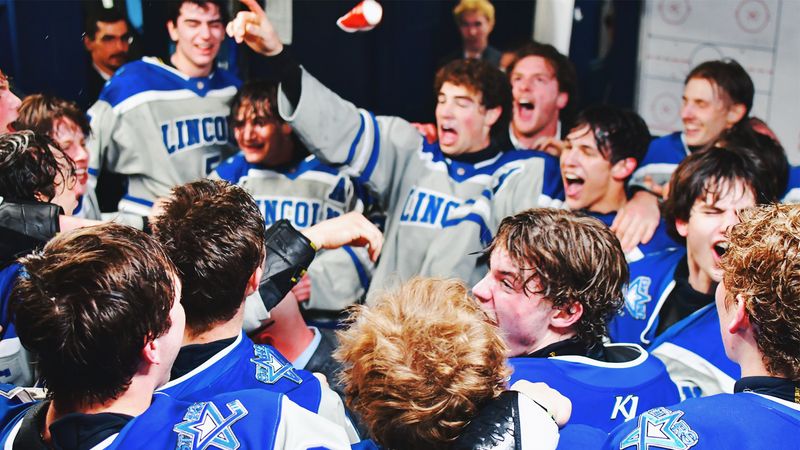
Lincoln’s 2025 run made the case in a single game. The Stars clinched their fourth Anderson Cup in team history and their first since the 2002-03 season with a 4-3 overtime road win against the Madison Capitols. That detail matters because it reflects how the cup is often won, away from home, under pressure, with one late bounce separating a title from another week of waiting. Lincoln did not earn the crown through a soft finish. It closed the deal on the road, in overtime, and against a playoff-type opponent.
Youngstown’s 2026 share of the cup carried a different kind of significance. The Phantoms clinched a share after the Sioux Falls Stampede’s regulation loss, and the league noted that it was the first time an Eastern Conference team had held a share of the Anderson Cup since Chicago in 2021. That matters because it shows how the title still tracks broader shifts in league balance. The cup does not live in one region or one style of hockey. It moves with the best programs, whether they are coming from the East or the West.
Together, those examples show why the Anderson Cup should be treated as a serious marker, not a secondary one. Lincoln’s long wait between titles, Fargo’s all-category domination, and Youngstown’s conference milestone all point to the same truth: the regular season is where a program reveals whether its foundation is real. The best teams do not simply stack wins. They build identities that survive the full schedule.
What it means in a development league
The Anderson Cup also matters because the USHL is not a closed ecosystem. The league says more than half of Division I men’s hockey roster spots are held by USHL alumni, and more than 195 alumni were listed on NHL rosters at the start of the 2024-25 season. That makes the regular-season championship more than a local trophy. It becomes a development signal to college staffs and pro scouts, a marker that says a team was organized enough to keep producing under pressure.
That is why the cup deserves to sit in the same conversation as the postseason, even if the Clark Cup remains the trophy that ends the spring. A team can get hot in the playoffs. Winning the Anderson Cup requires something harder to fake: consistency across 62 games, the ability to manage injuries, the discipline to defend when the offense cools, and the resilience to win on the road when the schedule gets heavy. In the USHL, that is the most complete test of excellence the league offers.
Sources
- [1]ushl.com