Argentina's padel culture helped turn the sport global
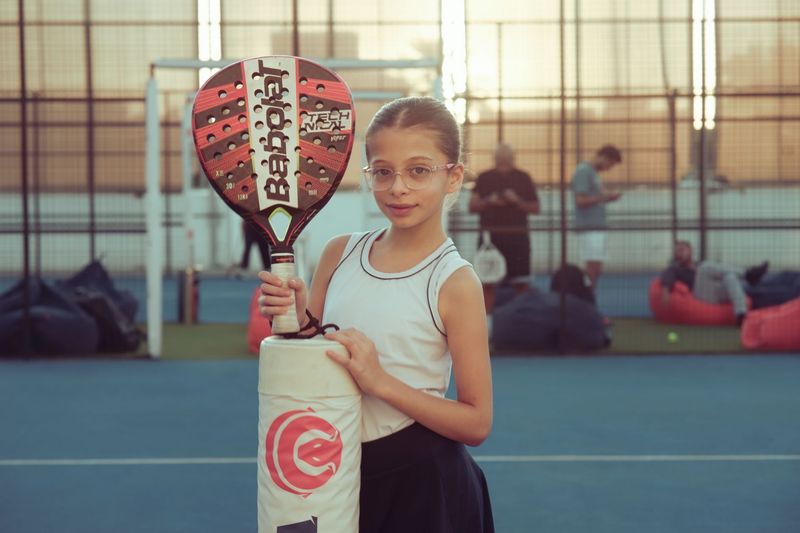
In Argentina, padel became bigger than a game almost as soon as it arrived. What started as a niche import grew into a social sport with neighborhood courts, club identity, and a talent pipeline that still shapes the global game, from Buenos Aires to Mar del Plata.
How Argentina made padel social
The clearest clue comes from the way FIP framed the country in May 2024: courts, events and legends were all part of the same story, because padel in Argentina functions as a social phenomenon. That matters because the sport did not develop there as a narrow elite pastime. It spread through clubs and recreational play, then fed into local competition and eventually into the professional ladder.
The origin story is usually traced to 1975, when Argentine millionaire Julio Menditeguy imported padel to the country and it quickly became a sporting sensation. From that point, Argentina did more than adopt the game. It absorbed it into everyday sporting life, which helped create a base that could sustain both mass participation and high-end development.
The infrastructure breakthrough that changed the sport
Argentina’s influence was not only cultural, it was structural. The Argentinian Padel Association was founded in 1988, giving the sport a formal framework at a moment when it was still taking shape. A year later, sources tied to padel history describe 1989 as a revolution in Argentina, when glass walls were introduced and changed how the game could be played and built.
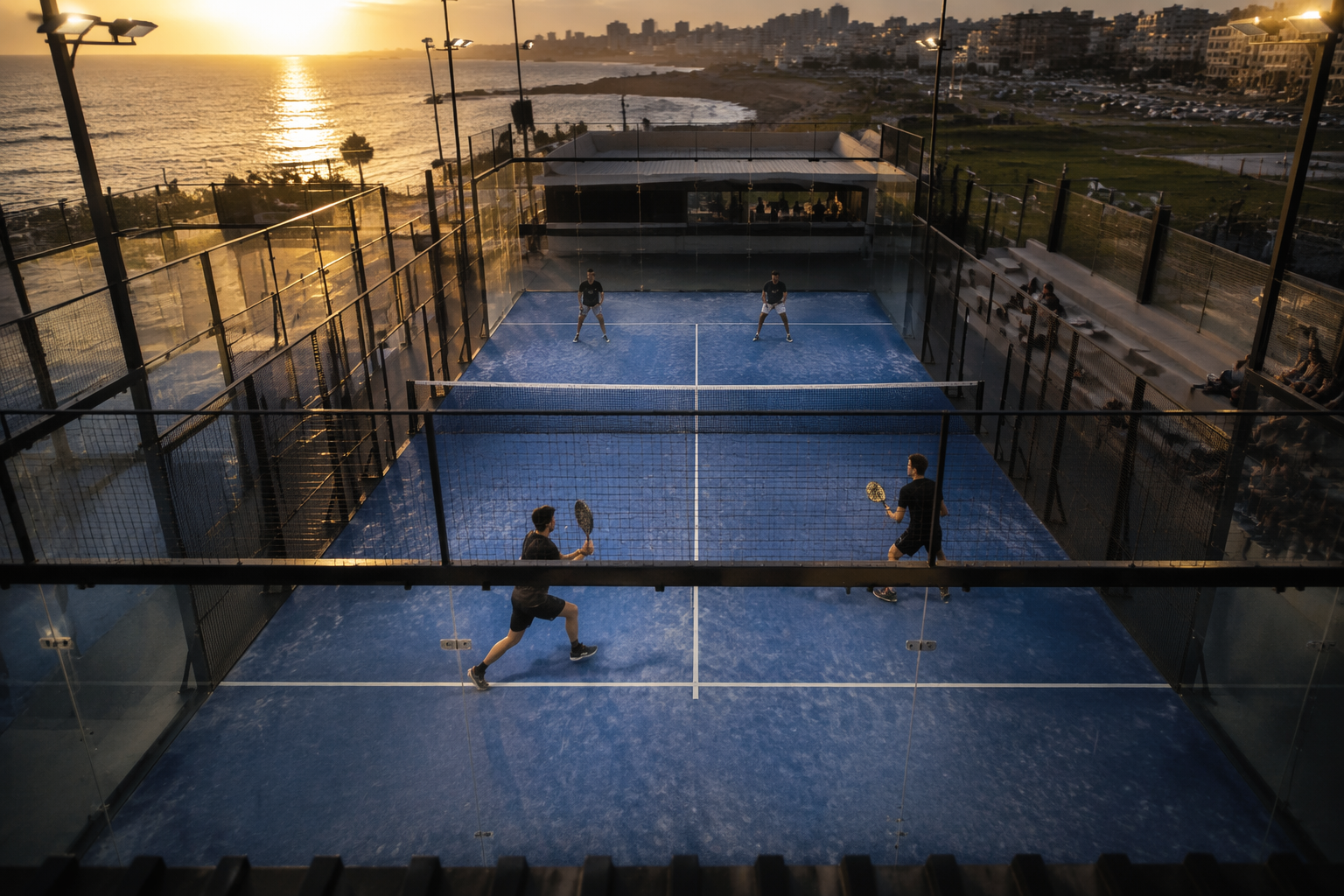
FIP’s history page adds a key detail from Mar del Plata: coach Jorge Galeotti developed a detachable and transportable glass court there in 1989. That innovation mattered because it made the sport more adaptable and easier to install, helping padel move from fixed spaces into a more portable format that could travel with the game’s growth.
The scale that followed is striking. One historical source says Argentina now has more than 2 million padel players and more than 10,000 courts. Treated carefully, those numbers are still a useful marker of how deeply padel has rooted itself in the country. A place does not produce that kind of volume without a dense network of casual players, local clubs and repeat access to courts.
Why the Argentine pipeline keeps producing elite players
Argentina’s padel machine works because its parts feed one another. Neighborhood play creates familiarity, clubs create competition, coaches create continuity, and all of it points toward the same elite standards. That is why Argentine players have repeatedly set benchmarks for defense, counterattack, net pressure and tactical patience, skills that travel well from domestic play into the international circuit.
FIP’s 2024 World Padel Report provides the right framework for understanding that ecosystem. It organizes the sport around participation, clubs, courts, competitions, rankings and federations, and Argentina fits neatly into all six categories. The country is not just a consumer market for padel. It is a full production system, where recreational volume and formal structure reinforce each other.
Belasteguín gave the system its global face
No player represents that system more clearly than Fernando Belasteguín. FIP published farewell coverage for him in December 2024, and earlier that year its Mar del Plata event coverage called his appearance there an “epic night” and his “last dance” in the city. Those words fit a player who became shorthand for Argentine padel excellence while also helping define the sport’s modern identity.
The respect runs both ways. FIP president Luigi Carraro thanked Belasteguín for helping make padel global, and Belasteguín responded, “Thank you president for making it a global sport”. That exchange captured the relationship between Argentina’s greatest champion and the institution that helped take the game beyond its original borders.
Belasteguín also matters because he shows how Argentine dominance was built on more than one superstar. The country repeatedly produced players and pairings that set global expectations for how elite padel should look under pressure, especially in defense, transition and net play. His career sits at the top of that lineage, but it is the depth behind him that explains why Argentina kept generating contenders.
The current calendar still runs through Argentina
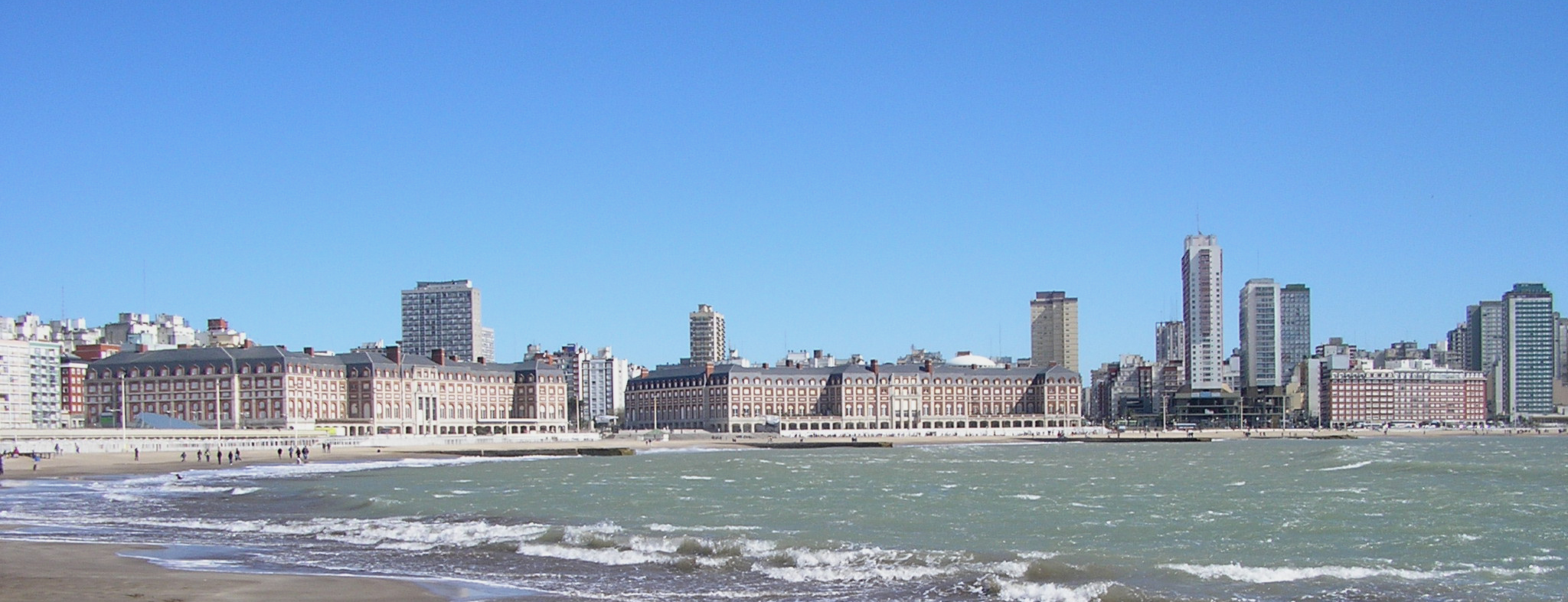
Argentina’s influence has not stayed in the past. FIP’s 2024 events list for the country included FIP Rise Buenos Aires 2024, FIP Rise Argentina II 2024, FIP Promises Buenos Aires 2024 and Mar del Plata Premier Padel P1 2024. That mix tells the story of a functioning pipeline: senior professional events on one side, youth and development events on the other.
Mar del Plata Premier Padel P1 stood out as the top-end benchmark, while FIP Promises Buenos Aires pointed to the next generation. Put together, they showed a country that is still hosting meaningful international competition at multiple levels, not just celebrating old achievements. Buenos Aires and Mar del Plata remain central because they connect fan culture, federation oversight and player development in the same geography.
Why Argentina keeps mattering to padel’s future
Argentina’s blueprint is simple to describe and hard to copy. The country imported the sport early, formalized it through the APA, helped reshape it with glass-court innovation in Mar del Plata, built a massive base of more than 2 million players and more than 10,000 courts, and turned that ecosystem into a steady supply of elite talent.
That is why Argentina keeps producing padel players who matter far beyond its borders. The country did not just love the sport first. It built the conditions that let padel become a social game, a club game and a championship game at the same time, and that combination still defines the sport’s global standard.
Sources
- [1]padelfip.com
- [2]journal.aspetar.com
- [3]ipadel.co.uk