Arne Slot Criticizes Premier League’s Set Piece Surge: “No Longer a Joy to Watch”
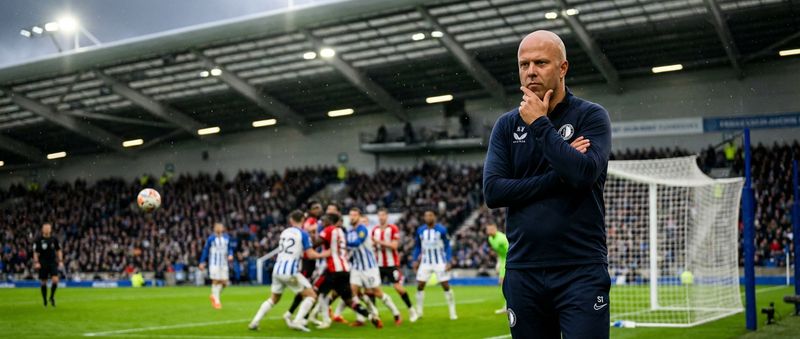
Set pieces are dominating the tactical landscape of the Premier League, and not everyone is thrilled with the trend. Liverpool manager Arne Slot recently voiced his concerns, claiming that the abundance of set piece-driven strategies is diminishing the enjoyment of watching England’s top-flight matches. Slot’s comments have ignited conversation across the football community, highlighting tensions between evolving tactical approaches and the league’s entertainment value.
Slot’s critique comes amid a noticeable increase in set piece goals and routines across Premier League clubs. Coaches are investing heavily in specialized training, analytics, and staff dedicated to maximizing dead-ball situations, from corners and free kicks to throw-ins. This focus has led to a tactical arms race, with teams seeking any advantage possible in pursuit of points. Yet, for Slot, the spectacle is suffering.
"Premier League games ‘no longer a joy to watch’ because of set pieces."
- Set piece goals have increased significantly over the past two seasons, with some clubs scoring over 40% of their goals from dead-ball situations.
- Specialist coaches and analysts are now common in Premier League backrooms, focusing solely on set piece efficiency.
- Some matches feature as many as 30 set pieces, including corners, indirect free kicks, and dangerous throw-ins, often breaking up open play.
Slot’s remarks reflect a broader concern among purists and fans. The Premier League has long been celebrated for its pace, fluidity, and unpredictability. However, the rise of set piece-centric tactics has resulted in more stoppages and less open-field action. While teams are exploiting this trend to gain an edge, the trade-off for entertainment is becoming increasingly apparent.
For managers like Slot, the core issue is whether the league’s identity is at risk. The Premier League’s global reputation was built on thrilling, end-to-end football. If set pieces continue to dominate, some fear the league could lose its distinct appeal. Slot’s criticism is likely to resonate with fans who crave more dynamic play and fewer interruptions.
At the same time, others argue that set pieces are a legitimate and skillful part of football. The tactical innovation behind elaborate routines, creative delivery, and aerial prowess can be seen as a new frontier for the sport. As Premier League clubs push boundaries, the debate over entertainment versus effectiveness will persist.
Slot’s public stance is a reminder that tactical evolution in football comes with both rewards and risks. As the Premier League continues to adapt, its challenge will be maintaining the balance between strategy and spectacle, keeping the game both competitive and captivating for millions of fans worldwide.