Atlantic League alumni list highlights MLB comeback legends
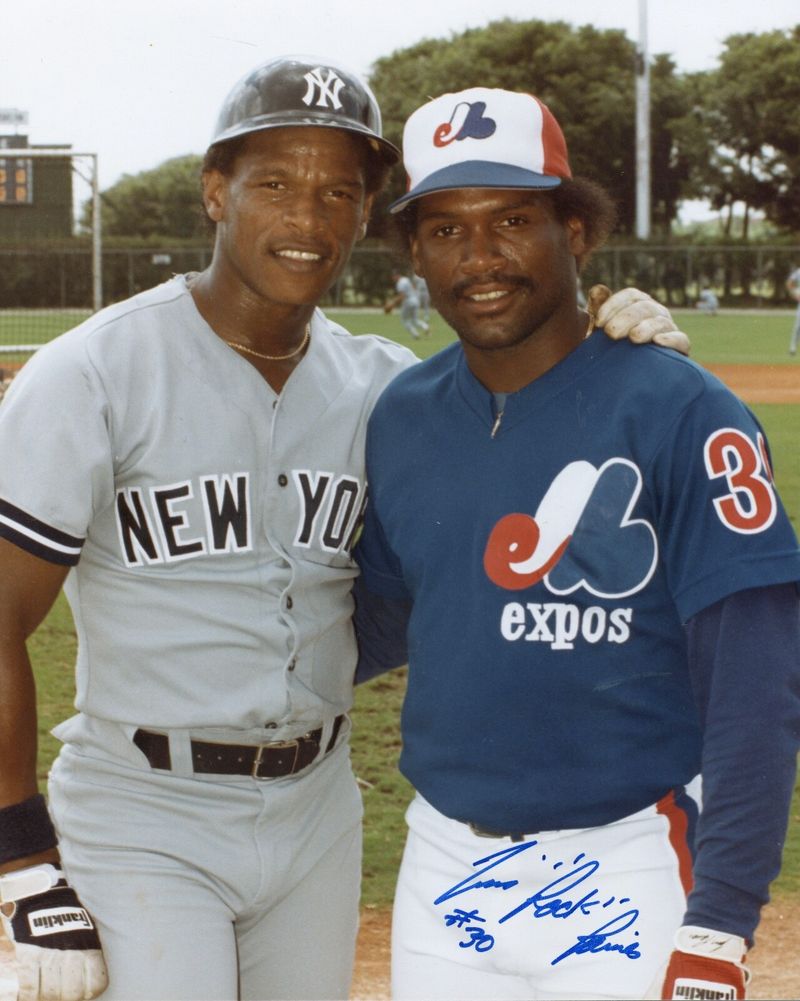
Rickey Henderson, Tim Raines and Jose Canseco are the kind of names that still change the energy in a ballpark the moment they appear on a lineup card. On the Atlantic League’s Notable Alumni page, they sit beside Ruben Sierra, Curtis Pride, Carlos Baerga, Jose Lima, Brendan Donnelly and Rick White, a roll call that turns one independent league into a catalog of baseball’s second acts. The page matters because it is not just nostalgia dressed up as a roster, it is a record of how professional careers keep moving long after the brightest lights of the majors.
A league built for the long game
The Atlantic League was established in 1998 and launched play on May 20, 1998, with Frank Boulton building it as a boutique circuit for former Major League and Minor League players to keep their careers alive. Its inaugural season ran through Atlantic City, Bridgeport, Nashua, Newark, Newburgh and Somerset, which set the template for a league that has always treated baseball as both competition and continuity. That founding idea still shows up in the league’s own history materials, which point to annual All-Star Games dating back to the beginning and a purpose rooted in giving players another route forward.
That route has been real and measurable. The Atlantic League says it has sent nearly 1,500 players to MLB organizations and international leagues, while drawing nearly 50 million fans across its history. It now expects to welcome its 50 millionth all-time fan in 2026, with a current footprint of 10 teams stretching from New York to North Carolina. In a sport that often measures value in prospects and pennant races, that kind of staying power is its own form of currency.
The names that made the league famous
The alumni list lands because it ties recognizable careers to specific Atlantic League stops. Henderson is listed with Newark and Bridgeport, Tim Raines with Somerset, Jose Canseco with Newark, Curtis Pride with Nashua and Jose Lima with Newark. Those pairings matter because they show the league as a network of baseball memories spread across cities, not a single gimmick destination.
Henderson gives the list its sharpest emotional edge. The Atlantic League’s 2024 remembrance of his death on December 20, 2024, at age 65 described him as MLB’s all-time leader in stolen bases and runs scored, and as a former Atlantic League All-Star MVP. That combination says everything about the league’s place in the sport: it can host a player with one of the most decorated major-league résumés ever and still present him as part of an ongoing baseball story, not a museum piece.

The same list also underscores how many different types of stars have passed through the league. Tim Raines brought Hall of Fame-level credibility to Somerset. Jose Canseco brought one of the most combustible star turns of his era to Newark. Curtis Pride, Carlos Baerga, Ruben Sierra and Jose Lima all reinforce the same point: the Atlantic League has long been a place where recognizable veterans can keep a uniform on and keep the game alive in front of fans who know exactly who they are watching.
Three archetypes that explain the league’s appeal
The Atlantic League’s cultural currency comes from the way it accommodates three baseball lives at once.
The comeback hopeful
Major League Baseball’s partner-league framework explains why the Atlantic League still matters to players trying to claw back toward the majors. MLB designates the Atlantic League as one of four Partner Leagues, and says those leagues provide organized baseball in the United States and Canada along with a second chance for veterans seeking a return to the Major Leagues. That language fits the Atlantic League cleanly, because the league has always been a place where a player can rebuild value through repetition, visibility and performance.
The aging star chasing one more chapter
The league’s alumni page is packed with names that carried major-league credibility into independent baseball, which is why it resonates so strongly with fans. Players such as Henderson, Raines, Canseco, Sierra, Baerga, Pride and Lima represent a familiar baseball archetype: the veteran who still has something left, whether that is speed, bat control, a final pitching run or simply one more summer in uniform. In Atlantic League parks, that kind of presence changes the mood immediately, because fans get intimacy with players whose careers once belonged to much bigger stages.
The future major leaguer sharpening his path
The same structure that gives veterans a runway also gives younger players a proving ground. MLB’s partner-league description emphasizes development opportunities for younger players, and the Atlantic League’s own history of sending players onward to MLB organizations and international leagues shows that the circuit has never been sealed off from the next step. The league’s transactions pages and player movement records reinforce that it is still a live ecosystem, where careers can be redirected rather than simply extended.
Why the list still carries weight now
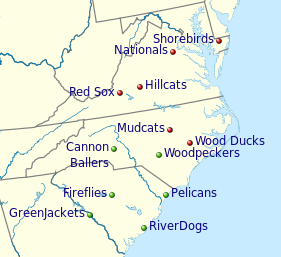
The Atlantic League’s original footprint of Atlantic City Surf, Bridgeport Bluefish, Lehigh Valley Black Diamonds, Nashua Pride, Newark Bears and Somerset Patriots has evolved into a modern 10-team map that runs from New York to North Carolina, but the league’s identity has stayed remarkably stable. It still presents professional baseball in markets that value having it close by, and it still gives fans a chance to see famous veterans in a more intimate setting than a major-league stadium can provide. That is why the alumni list lands as more than trivia: it is a shorthand for what the league has always sold, which is possibility.
The current Atlantic League is not built on one kind of player or one kind of story. It is built on the overlap between past and present, where a comeback hopeful, an aging star and a future major leaguer can share the same stage and make the same league feel relevant for very different reasons.
Sources
- [1]atlanticleague.com
- [2]mlb.com