Atlantic League draft turns Pro Days into roster pipeline
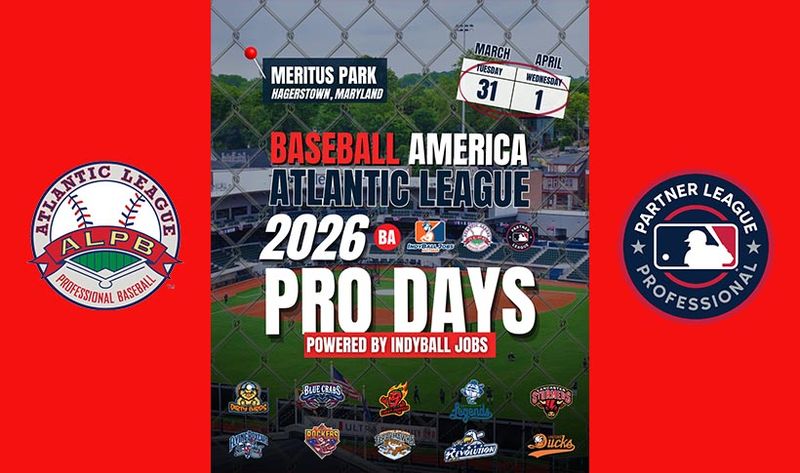
Atlantic League clubs do not build rosters the way affiliated teams do. They compress evaluation, drafting, and signing into a single spring funnel at Baseball America-ALPB Pro Days, where 12 players were chosen from nearly 150 vetted candidates in 2025. The result is a roster market built for speed: prove you can play now at Truist Point in High Point, North Carolina, and you can move from tryout to contract in a matter of days.
How Pro Days become a roster pipeline
The Atlantic League draft is not about projecting teenagers into the future. It is about finding older players who are already close to game-ready, then giving managers a short list of candidates they can trust to report quickly and compete immediately. Every draftee is signed to a contract and heads to spring training with his club, which makes the draft less like a ceremonial event and more like the first transaction window of the season.
That process is deliberately broad but tightly controlled. Participants in the Baseball America-ALPB Pro Days must be at least 21 years old unless they already have previous Class A-or-higher or Partner League experience. The league also requires that all players be vetted for high-level college or professional experience before they ever reach the draft board. In practice, that means the Atlantic League is not sorting through raw upside. It is sorting through readiness.
Why 12 picks came from nearly 150 players
The number that matters most is not the dozen draft selections. It is the size of the pool that produced them. Nearly 150 participants were tested, checked for prior college or pro experience, and then put through player testing and simulated games before managers began picking. That scale explains why only 12 players were selected over two rounds: the league wanted a short list of players who had already passed multiple filters, not a mass of speculative bets.

The 2025 draft also showed how selective the league has become about where talent comes from. Quinton Martinez, the first pick, had already spent time in the Angels system. Colin Burgess also brought affiliated experience from the Tigers system. Other names in the pool reflected a far wider map, including UNC Pembroke, Rutgers-Newark, Wallace State, and the California Winter League. That mix tells you what the Atlantic League really is: a place where college baseball, affiliated-ball veterans, and showcase players all collide in the same market.
What teams prioritized in 2025
The 2025 Pro Days made one priority obvious: immediate usability. Managers and coaches from all 10 Atlantic League clubs evaluated the players, and MLB scouts, international-league representatives, and MLB-club evaluators could also attend and sign players during the event. When that many decision-makers are in the same building, the league is rewarding players who can look competitive against professional pitching and defense right away, not months later.
That emphasis on readiness is exactly why the event has become a spring opportunity for players seeking contracts in the Atlantic League and other pro leagues. The league is effectively creating a shared market in one place, one day at a time. Players are not only auditioning for Atlantic League jobs, they are exposing themselves to the wider baseball economy that sits around the league, including MLB organizations and international clubs.
What happened after the draft
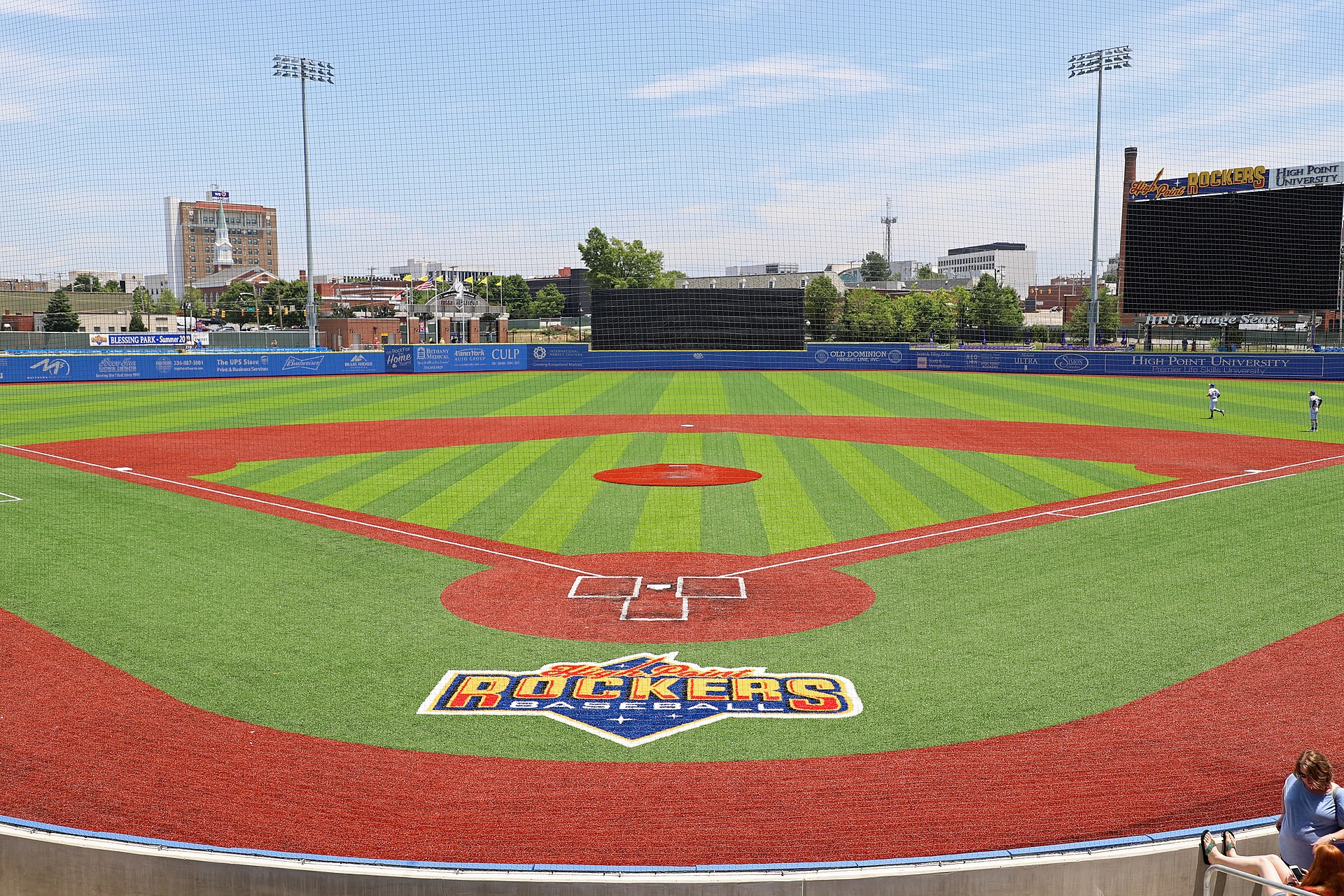
The draft does not end with selection. It begins another round of sorting. In 2025, six of the 12 draft choices eventually earned roster spots on Atlantic League teams, one was transferred to an MLB organization contract, and a seventh player later signed as a free agent and became an ALPB Midseason All-Star. That is the clearest proof that the Pro Days are not just a one-off showcase. They are a supply line into the season itself.
That movement also shows why the Atlantic League can afford to be so transparent about roster building. Fans can see the testing, the simulated games, the draft, the contract signings, and then the constant movement that follows. A drafted player might stick, shift to an MLB organization, or later re-enter the league as a free agent. The draft is only the first turn in a system built on signings, releases, and constant roster churn.
The league behind the system
The draft matters because the league itself was built to operate this way. Frank Boulton founded the Atlantic League in 1998, and the league began play on May 20, 1998, with six teams concentrated in the Northeast United States. By 2026, it had grown to 10 teams and a 126-game schedule, with North and South Division play leading into the league championship path.
That growth sits alongside a bigger claim the league has made for itself: it describes the Atlantic League of Professional Baseball as Major League Baseball’s first Professional Partner League and the highest level of professional baseball outside MLB. The league also says it has sent more than 1,400 players to MLB organizations, and a later statement put the total of Atlantic League players who have signed with MLB or international teams at more than 1,450. Those numbers explain why Pro Days draw so much attention. In a league with no traditional farm system, the draft is not a side story. It is the mechanism that keeps the roster market alive.