Atlantic League history shows dynasties, repeat champions and lasting stars
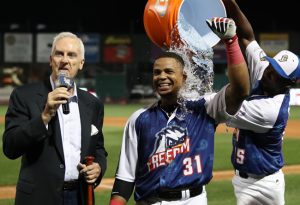
The Atlantic League has spent nearly three decades proving that independent baseball can build its own powers, not just its own prospects. It opened on May 20, 1998, with the Somerset Patriots facing the Atlantic City Surf, and the first season already hinted at what would become the league’s signature pattern: familiar clubs, familiar markets, and a competitive identity strong enough to outlast turnover.
Built to outlast turnover
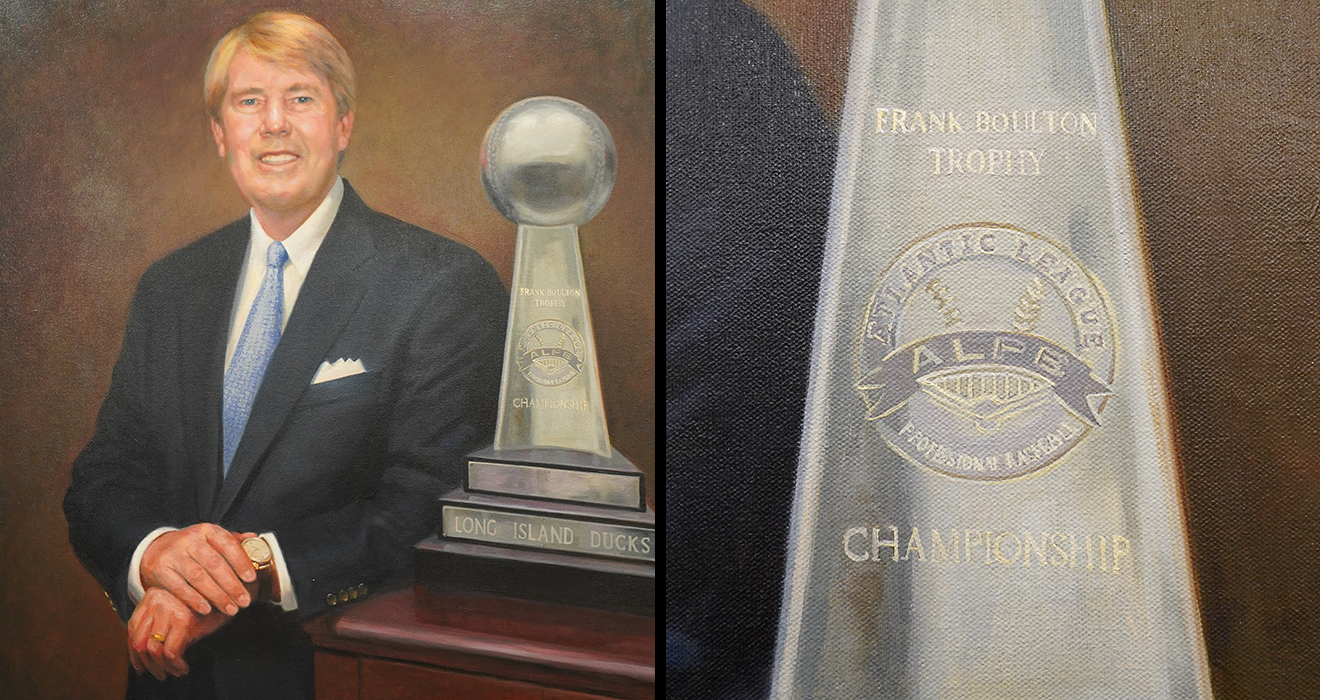
Frank Boulton founded the Atlantic League in 1998 with six teams, mostly in the Northeast, and that regional core still shapes how the league feels. It has since grown to 10 teams in 2026, split into North and South divisions, and teams still play a 126-game schedule for a shot at the League Championship Series and the Boulton Trophy, named for the league’s founder. The league also calls itself the highest level of professional baseball outside Major League Baseball, a claim that makes sense when you look at how much history it has managed to preserve in one place.
That preservation matters because the Atlantic League’s past is not fuzzy or anecdotal. Its official history page lists every champion since 1998, along with each Championship Series result and MVP, and it does the same for every All-Star Game result and All-Star Game MVP. For a league that has always lived in the space between player movement and market permanence, that kind of record keeping turns continuity into part of the product.
The champions keep coming back
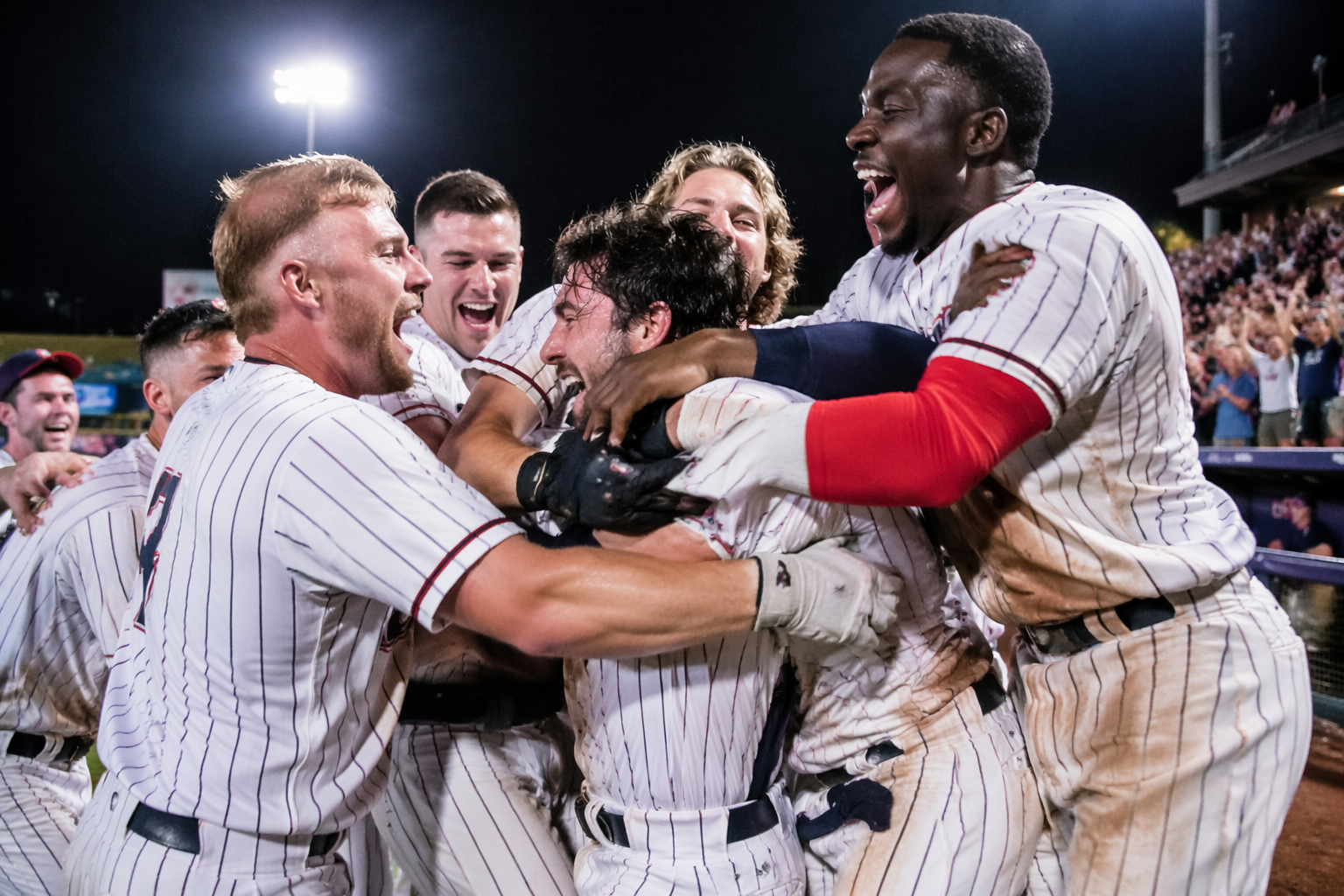
The title line tells the story of the league’s competitive culture better than any broad description could. Atlantic City Surf won the first championship in 1998, Bridgeport Bluefish followed in 1999, and the Somerset Patriots became one of the league’s defining repeat powers across the years. Later champions such as the Long Island Ducks, Lancaster Barnstormers, York Revolution and Sugar Land Skeeters show how the league developed recognizable brands in different markets rather than cycling through anonymous placeholders.
That history created more than a list of winners. It built a set of regional rivalries that gave the Atlantic League its own texture, with clubs from Bridgewater, New Jersey, Lancaster, Pennsylvania, York, Pennsylvania and Sugar Land, Texas all becoming part of the league’s competitive map. The most recent marker is York’s back-to-back championships in 2024 and 2025, a modern reminder that in this league, a club can still string together a real run and become the standard everyone else is chasing.
All-Star Week has its own baseball memory bank
The All-Star Game has long served as the league’s clearest showcase of personality. The first one was played in Atlantic City in 1998, where the Atlantic City Surf beat the ALPB All-Stars 6-4 before 5,552 fans. The next year, Bridgeport hosted and drew 5,500, already showing how quickly the event became a portable midseason centerpiece rather than a one-off novelty.
The list of All-Star MVPs gives the event even more weight. Rickey Henderson won the honor in 2003, a name that instantly connects the Atlantic League to the wider baseball memory of a Hall of Fame career and the sport’s modern stolen-base era. Henderson later spent two seasons in the league, which helps explain why his All-Star recognition still stands out as one of those crossover moments that only independent baseball can produce.
The league’s history also includes one of the quirkiest outcomes any All-Star event can offer: a game that ended 1-1 after nine innings and was decided by a homer-off. That detail matters because it captures the league’s tone better than a standard box score would. The Atlantic League’s showcase games have always mixed local familiarity, veteran names and a willingness to let the format bend a little in the name of spectacle.
Why MLB treated this league differently
The Atlantic League’s credibility did not come only from its title races or All-Star stages. In 2019, Major League Baseball named it its first Partner League after a prior three-year agreement gave MLB a place to test experimental rules and equipment in Atlantic League games. That arrangement put the league inside baseball’s broader development and innovation structure rather than outside it.
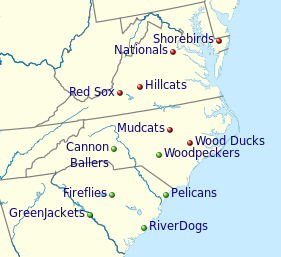
MLB’s current Partner Leagues list includes the Atlantic League, the American Association, the Frontier League and the Pioneer League. That grouping matters because it places the Atlantic League in a small circle of independent circuits that MLB recognizes as part of its wider ecosystem. For a league that began with six teams in the Northeast, that is a significant institutional step up, and it helps explain why the Atlantic League has always felt more durable than a typical stopover circuit.
The scale behind the story
The history is not only about trophies and showcase games. The league says it has sent more than 1,400 players to MLB organizations over its history, and it says more than 47 million fans have come through its ballparks. Those numbers give the championship ledger and the All-Star list a larger frame: the Atlantic League has been both a talent pipeline and a steady ticket product for nearly three decades.
That combination is what separates it from leagues that only look temporary from the outside. The first game between Somerset and Atlantic City, the repeat champion clubs, Rickey Henderson’s All-Star MVP, the 1-1 game decided by a homer-off and York’s recent back-to-back titles all point to the same thing: the Atlantic League has built a real baseball culture, one that survives roster churn because the league’s identity is bigger than any single season.
Sources
- [1]atlanticleague.com
- [2]mlb.com