Atlantic League launched in 1998 with six teams and strong attendance
The Atlantic League did not begin like a novelty. It opened as a six-team independent circuit, played 300 games in roughly a 100-game season, and drew 611,677 fans for an average of 2,038 per game. That first year gave the league a working identity from the start: regional enough to feel local, long enough to feel like real pro baseball, and visible enough to prove the model could stand on its own.
The 1998 blueprint
Baseball-Reference’s 1998 Atlantic League page captures the structure that still defines the circuit’s origin story. Six clubs spread across a manageable footprint meant the league could build rivalries without the travel burden that comes with a much larger map, and the approximate 100-game schedule struck a balance between endurance and practicality. That was not just a scheduling quirk. It was the operating system for an independent league that wanted to look and feel serious without being tied to Major League Baseball’s farm structure.
The attendance figure matters just as much as the format. A total of 611,677 fans in year one, or 2,038 per game, is the kind of number that changes the way a league is perceived. It showed that baseball outside the affiliated ladder could still draw a meaningful crowd on the Atlantic seaboard and in the surrounding Atlantic League markets, which is why the league’s opening season reads less like an experiment and more like a proof of concept.
A launch built on planning, not accident
The Atlantic League’s first game was played on May 20, 1998, at the Sandcastle in Atlantic City, with the Atlantic City Surf facing the Somerset Patriots. That opening night is the cleanest marker of the league’s arrival, but the backstory is even more revealing. A 2017 MyCentralJersey account said the newly founded six-team league came together after a three-year process that began when founder Frank Boulton was trying to move one of his minor-league teams to the Long Island area.
That detail explains a lot about the league’s early posture. The Atlantic League was not assembled as a one-off summer project or a fallback for leftover markets. It was built through a specific plan aimed at Long Island and nearby markets, with Atlantic City serving as the stage for the first official game and Somerset standing in as the first opponent in the league’s history. A league summary PDF identifies Boulton as the founder in 1998, and the league’s official history page says its history begins in that same year.
Why the first season became the template
The 1998 season mattered because it fixed the league’s core identity before that identity had to be marketed. A 100-game schedule created enough repetition for fans to know their club and enough flexibility for clubs to manage costs. Six teams gave the circuit a tight regional core, which helped local followings develop in places where a full affiliated system would have been too expensive or too remote to sustain.
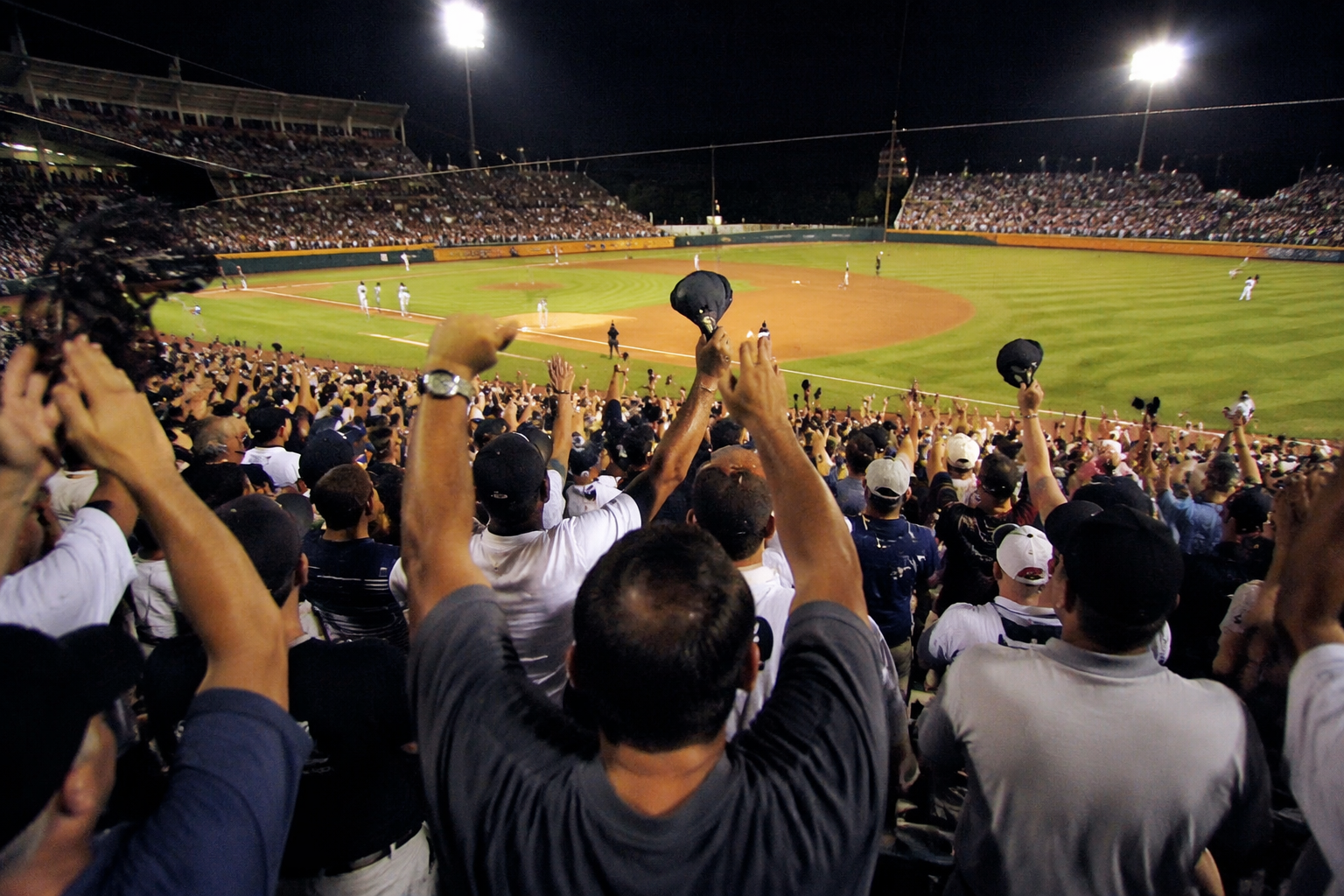
That foundation is why the Atlantic League eventually became the highest-profile independent league in modern baseball. The league summary PDF describes it as generally regarded as the most successful and highest level of baseball among independent leagues, and the numbers from 1998 help explain why that reputation stuck. The league was not trying to mimic affiliated baseball inning for inning. It was building a middle ground, with professional standards, local identity, and enough independence to operate on its own terms.
How the brand evolved beyond the founding quirks
Some parts of the launch season were specific to that moment. The Sandcastle opener in Atlantic City, the original six-team footprint, and the three-year buildup around Long Island were all products of the league’s founding phase. But the broader traits those details pointed to became the lasting brand: a regional circuit that could move veterans through meaningful games, test baseball ideas, and keep clubs rooted in their markets.
That is why the Atlantic League later became a home for recognizable names who had already built major reputations elsewhere. Roger Clemens, Tim Raines, Rickey Henderson, Scott Kazmir, Dontrelle Willis, Juan González, Rich Hill, John Rocker, José Canseco, Gary Carter, Tommy John, and Bud Harrelson all fit the league’s larger pattern of veteran talent and big-name visibility. The league’s launch season did not feature all of those players, but it established the kind of environment that could support them later: professional baseball outside MLB’s structure, with enough credibility to make the games matter.
The York Revolution’s May 20, 2017, 20th-anniversary post showed how quickly the league’s founding had been absorbed into its identity. By then, the 1998 start date was not just a historical note. It was the reference point for a circuit that had already spent two decades proving that independent baseball could survive in real markets with real attendance and a recognizable brand.
What 1998 still tells you about the league
If you want the Atlantic League’s identity in one frame, start with that first season. Six teams gave it regional scale, 300 games gave it volume, and 611,677 fans gave it legitimacy. The opener at the Sandcastle in Atlantic City, with the Surf facing the Patriots, turned a planned concept into an operating league.
That is the lasting lesson of 1998: the Atlantic League’s earliest season was not a side story to what came later. It was the version of the league that explained everything else, from veteran arrivals to local loyalty to the idea that baseball outside MLB’s structure could still be a serious business.