Atlantic League maps regional baseball across Northeast, Mid-Atlantic and Carolinas
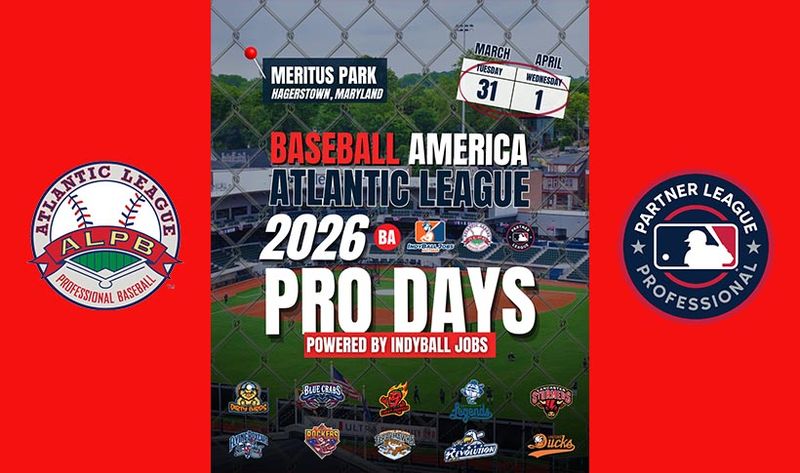
The Atlantic League of Professional Baseball works best as a travel map, not just a standings page. Founded in 1998, it has built its identity around professional independent baseball in the Northeast, Mid-Atlantic, and Carolinas, where the distance between parks is manageable and the crowd size still changes the feel of a game. The league’s own clubs and attendance pages make that clear: this is a circuit where location, turnout, and ballpark personality are part of the product.
Northeast and Mid-Atlantic core
The Northeast and Mid-Atlantic are the league’s most recognizable baseball corridor, anchored by clubs such as the Long Island Ducks, Lancaster Stormers, York Revolution, Southern Maryland Blue Crabs, Hagerstown Flying Boxcars, and Staten Island FerryHawks. These are the kinds of markets where a fan can build a weekend around baseball without crossing half the country, and that regional closeness is a big reason the Atlantic League feels intimate even when the numbers grow large. Team Marketing Report described the league in 2021 as a professional, independent baseball circuit with five teams in the Mid-Atlantic and Northeastern U.S., a structure that showed how heavily the league leaned into this eastern footprint.
That geography matters because it shapes the experience on the ground. Long Island gives you one kind of atmosphere, Lancaster another, and York another again, but all three sit within a broader baseball road trip that feels connected by history, proximity, and local pride. The current alignment has tightened even more toward the East Coast, which makes the circuit especially appealing for fans who want to sample multiple ballparks over a summer without turning the trip into a logistics exercise.
Long Island as the league’s big-event engine
If you want the Atlantic League at its loudest and most celebratory, Long Island is the obvious stop. The Ducks celebrated their 9 millionth fan in June 2024, reached 6 million fans in 2014, and said they had more than 700 sellout crowds in their history. They also led the Atlantic League in attendance in 2022 with 285,888 fans, the clearest sign that this market can turn a league game into an event.

That scale gives Long Island a different kind of energy from a smaller park. The Ducks are the destination for fans who want a packed house, the feeling of a regional draw, and the sense that the home crowd is part of the show. In independent baseball, where every gate total helps define the business as much as the baseball, Long Island stands out as the club that most consistently turns attendance into brand identity.
Lancaster and York for the classic ballpark feel
Lancaster and York form one of the Atlantic League’s most appealing baseball pairings because they offer two distinct but complementary atmospheres. Lancaster delivered a signature moment on June 27, 2024, when the Stormers drew 8,636 fans for what the league described as a single-game attendance record. That crowd size tells you exactly what kind of night the Stormers can create: full, loud, and built for a communal summer outing.
York keeps the regional baseball chain strong on the other side of central Pennsylvania. Together, Lancaster and York give fans a practical route through the league’s Mid-Atlantic heartland, with games that can feel close to the field even when the sections are full. For travelers, this is the part of the map where the Atlantic League most clearly shows its old-school appeal: parks that reward repeat visits, hometown followings that know the roster, and enough regional identity to make each stop feel distinct.
Southern stops in the Carolinas

The Carolinas bring a different rhythm to the Atlantic League, with clubs such as the High Point Rockers, Gastonia Ghost Peppers, and Lexington Legends. This cluster gives the league a southern baseball lane that still fits the circuit’s compact, regional structure. Fans who want to follow the league south can do it without losing touch with the Mid-Atlantic core, which is part of why the Atlantic League remains so travel-friendly for dedicated followers.
These parks often appeal to fans looking for a slightly different balance between intimacy and atmosphere. They are close enough to the league’s eastern hubs to remain part of the same baseball conversation, but distinct enough in setting to make the trip feel like a change of scene. That combination is important in independent baseball, where the experience is not just about innings and box scores but about how a ballpark fits into its city.
Attendance as the league’s identity marker
The Atlantic League’s attendance page is not a side note. It sits alongside the clubs page because crowd totals are central to how the league presents itself and how each market is measured. Baseball-Reference’s 2024 Atlantic League page puts that in hard numbers: 10 teams, 627 games, 1,596,795 total attendance, and an average of 2,546 per game. Those figures frame the league as a real-time community circuit, one where average crowds still matter and every strong gate can shift the mood of a series.
That is why attendance is such a useful lens for choosing where to go. Big totals usually signal event energy, such as the Ducks’ 285,888-fan season in 2022 or Lancaster’s record crowd in 2024. Smaller settings, by contrast, can offer the intimacy that makes independent baseball so appealing in the first place, where the game feels close enough to hear and the crowd knows when to lean in. The league’s business model and its fan experience are tied together, and the attendance numbers tell you which parks are most likely to deliver each version of the night.
How to pick your Atlantic League stop
The best Atlantic League trip depends on the atmosphere you want more than the standings you want to follow. If you want the biggest crowd energy and the feeling of a full-house summer event, Long Island is the strongest bet. If you want a regional baseball weekend with a record-setting, old-ballpark buzz, Lancaster belongs high on the list. If you want to trace the league through the Carolinas, the High Point, Gastonia, and Lexington stops give you a southern branch of the same circuit.
• Choose Long Island for milestone crowds and the league’s most established attendance machine. • Choose Lancaster for a packed-house feel and one of the clearest recent attendance markers. • Choose York, Southern Maryland, Hagerstown, or Staten Island for a more compact East Coast baseball route. • Choose High Point, Gastonia, or Lexington if you want the Carolinas as part of your Atlantic League road trip.
That is the Atlantic League’s real appeal: it maps baseball across a region where the teams are close enough to connect but different enough to give every stop its own personality. The league’s 1998 foundation, its eastern alignment, and its crowd totals all point to the same conclusion: this is a circuit built for fans who want baseball with geography, identity, and atmosphere attached.