Atlantic League marks roots as independent baseball pioneer
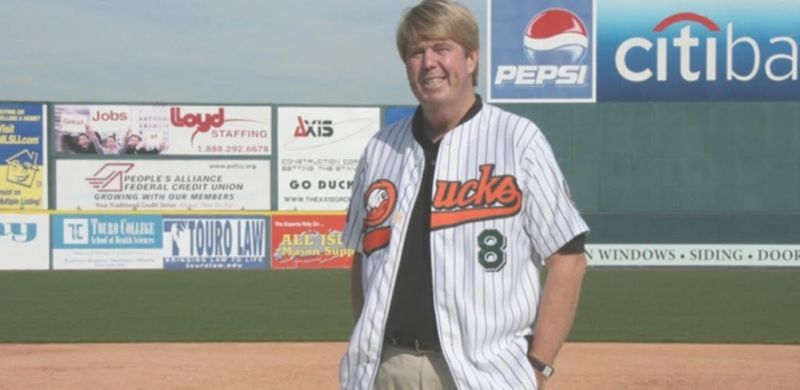
The Atlantic League never looked like a disposable independent circuit. Its public birth came on April 3, 1995, when Frank Boulton stood at the Garden Pier Cultural Center in Atlantic City and pitched a professional league built for cities that wanted real baseball without waiting for an MLB farm club to arrive. Three years later, the league opened with a messy, memorable debut at Sandcastle Stadium, and the Atlantic City Surf beat the Somerset Patriots 8-5 to start a league that has outlasted most of its peers.
From startup idea to six-team reality
Boulton’s first pitch was bold because it was specific. He was not selling a vague baseball idea, but an independent professional league designed around local ownership and fan support rather than affiliated status. At that 1995 announcement, he said he already had interest from more than a dozen cities, a sign that the market for displaced baseball was deeper than the usual skeptics allowed.
The league was originally planned to start play in May 1997, but the first season did not arrive until May 20, 1998. When it did, the inaugural lineup included Atlantic City, Bridgeport, Lehigh Valley, Nashua, Newark and Somerset. The Lehigh Valley Black Diamonds even played that first season in Newburgh, New York, a reminder that the league’s geography was flexible from the beginning and willing to adapt to get clubs on the field.
That flexibility mattered because the Atlantic League was built for places that wanted professional baseball as an anchor, not as a minor league outpost. Atlantic City was the clearest example. The league was not simply planting a team in a city with a history of big crowds and summer tourism. It was asking whether a new independent model could make the sport work in markets that had been overlooked or discarded by affiliated baseball.
A first season that looked and felt like pro baseball
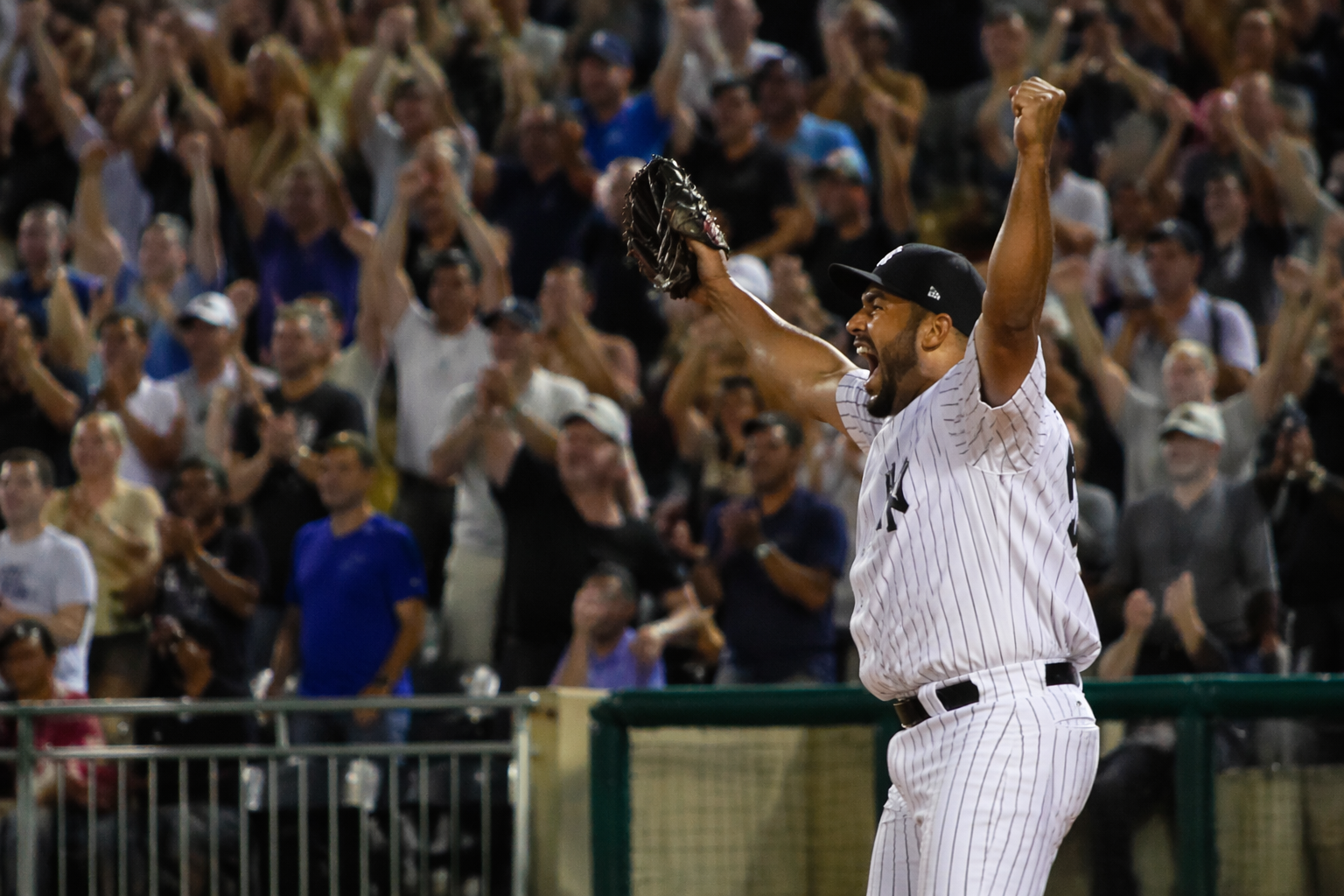
The opening in Atlantic City carried the feel of a league trying to prove itself in public. Sandcastle Stadium, later known as Surf Stadium, was still being finished when the first game was played at the site on Bader Field. The night was delayed, ceremonial first pitches were part of the scene, and the ballpark itself was a statement: roughly 5,500 to 5,900 seats, modern for an independent league launch, and meant to look like a place where professional baseball belonged.
The cast around that first season helped the Atlantic League establish credibility fast. Somerset had Sparky Lyle, Bridgeport had Willie Upshaw, Nashua had Mike Easler, Newburgh had Wayne Krenchicki and Newark had Tom O’Malley. Those names mattered because they signaled that the league was more than a temporary novelty. It was drawing recognizable baseball people into a new business model and giving the operation enough legitimacy for fans, sponsors and local governments to believe it could last.
The league also created marquee moments immediately. In its early Atlantic City All-Star Game, the Surf beat the ALPB All-Stars 6-4 before 5,552 fans, and Luis Quinones was named MVP. That kind of event mattered beyond the box score. It showed the Atlantic League could stage its own tentpole occasions, build a calendar around them and generate an identity that was separate from affiliated baseball.
Why the model endured when others faded
The Atlantic League survived because it solved a problem many independent leagues never fully addressed: it gave baseball-hungry markets a product that looked stable, local and professionally run. The league’s early footprint in Atlantic City, Bridgeport, Lehigh Valley, Nashua, Newark and Somerset was not random. Those were places that could support baseball communities, but also places where the business case depended on a league that respected local ownership and local demand.
That business logic has carried through the modern league office. The Atlantic League says it is governed by a board of directors, with each club represented by a director and alternate, and President Rick White overseeing day-to-day operations. Under White, the league says it has grown from six teams to 10. That growth is more than cosmetic. It is evidence that the league moved from a one-off experiment in the late 1990s to a durable structure with enough operational discipline to keep adding clubs.
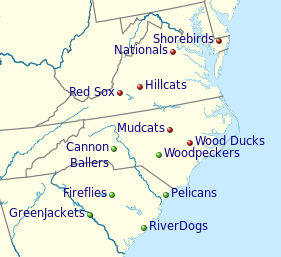
The 2026 season shows how far that structure has come. The league says teams will play a 126-game schedule, followed by North and South Division Championship Series leading to the Atlantic League Championship Series. White said the six-game series format helps reduce travel and player fatigue, and the league says clubs will cut travel by nearly 20 percent in 2026. That is the kind of operational detail that separates a functioning league from a romantic startup.
How the Atlantic League became part of baseball’s landscape
The Atlantic League stopped being just an experiment when Major League Baseball formalized a partnership with it in 2019. MLB named it its first Partner League, and MLB defines Partner Leagues as professional circuits that collaborate with the league on marketing and promotional opportunities. The Atlantic League sits in that group alongside the American Association, Frontier League and Pioneer League, but it remains the most visible independent league in the conversation because it had already built a long track record before the partnership arrived.
That relationship also gave the Atlantic League a second identity: baseball’s rule laboratory. The league says it first tested defensive positioning adjustments, the Automated Ball-Strike System, enlarged bases and modern extra-inning formats, changes that later spread into broader baseball debate. For the Atlantic League, that role was not accidental. It fit the same founding impulse that drove Boulton to Atlantic City in 1995, the idea that a league could be independent and still matter to the sport at large.
That is why the Atlantic League’s story is more than survival. It is a rare case where a risky startup found a permanent place by serving overlooked markets, building credible baseball from the ground up and then helping shape the game beyond its own parks. From the first press conference in Atlantic City to a 10-team league in 2026, it has turned independence into an operating model that still works.