Atlantic League pioneered ball-strike challenges before MLB adopted ABS
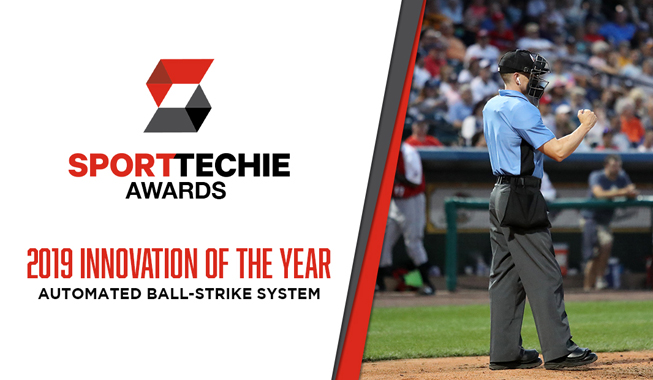
On July 25, 2019, the High Point Rockers, Lancaster Barnstormers and Long Island Ducks became the first Atlantic League clubs to use Automated Ball-Strike technology in regular-season games. The Atlantic League did not solve baseball’s strike-zone problem by replacing umpires. It made ball-strike judgment measurable, challengeable, and strategic in live games. Once a call became reviewable, the question changed from “Was it a strike?” to “When is it worth spending your challenge?”
The Atlantic League’s live laboratory
The Atlantic League of Professional Baseball opened in 1998 and has spent that run selling itself as more than a stop on the road to the majors. As MLB’s first Professional Partner League, it says it has sent more than 1,500 players to MLB organizations and international leagues while drawing nearly 50 million fans to its ballparks.
The Atlantic League did not turn the plate into a machine-only zone. It showed MLB what a hybrid future could look like before the majors committed to one, and the system remained in use throughout its 2019-2022 run.
How the MLB challenge system actually works
MLB’s version keeps the human call at the center. The home-plate umpire still makes the first ball-or-strike decision, and then a pitcher, catcher or batter can immediately challenge. Hawk-Eye pitch-tracking technology checks the pitch against the batter’s individualized strike zone, and the result is shown to the ballpark and broadcast in about 15 seconds.
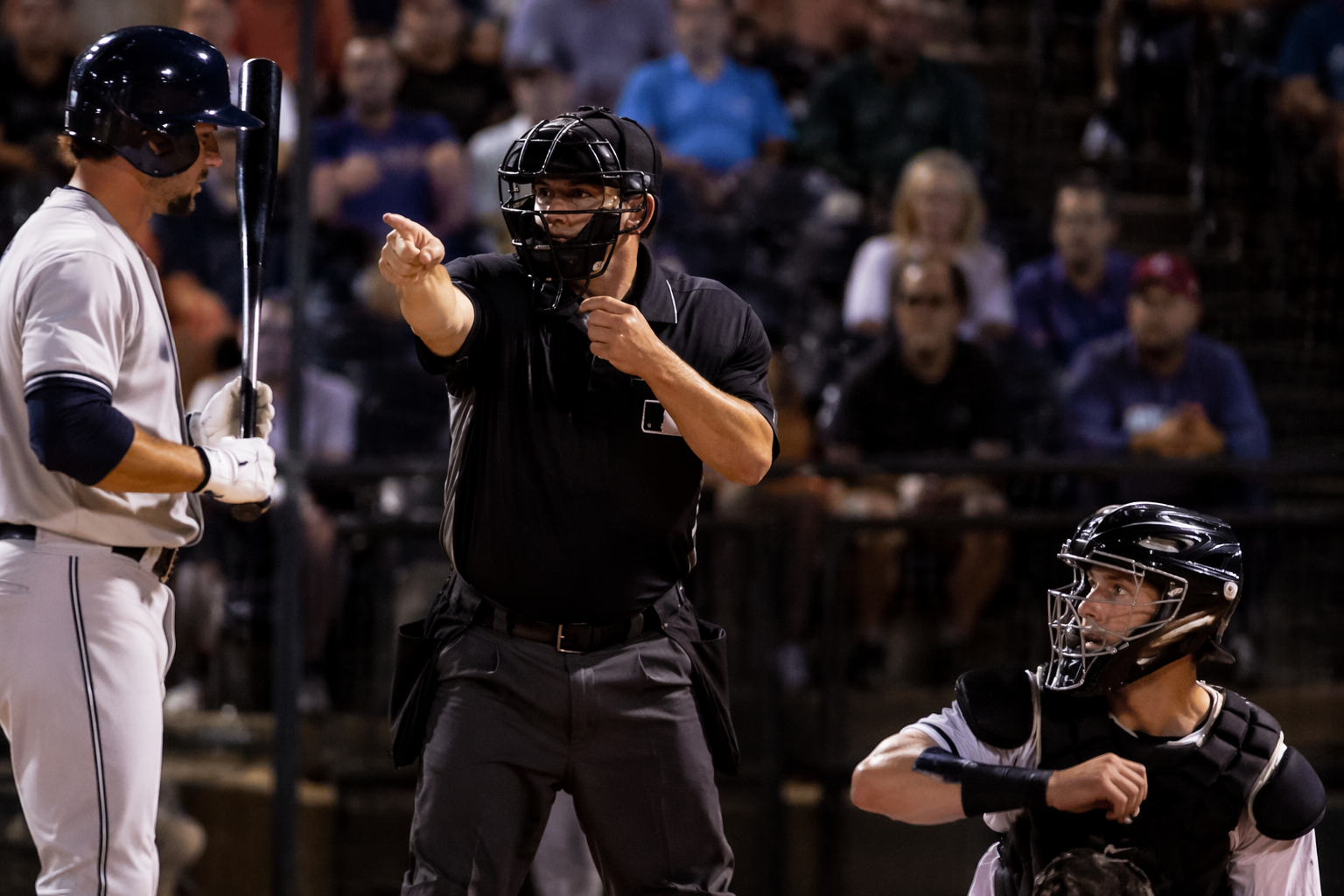
The zone itself is tightly defined: 17 inches wide, with the top and bottom adjusted to the batter’s measured height. That strips away the old argument that one catcher’s target or one umpire’s eye level should determine the zone on a given night. The challenge system runs on a 5G private network from T-Mobile for Business’ Advanced Network Solutions, which is part of why the review can happen fast enough to matter in real time instead of feeling like a courtroom delay.
The challenge economy adds another layer. Teams begin games with two challenges, keep successful ones, and get an extra challenge in extra innings if they enter that inning with none left. The 2026 guidelines guarantee teams at least one challenge in extra innings, which prevents a late-game situation from becoming a coin flip decided by who ran out of reviews first.
Why the system changes tactics, not just technology
This is where the Atlantic League experiment becomes more interesting than a simple robot-umpire story. A challenge system turns every borderline pitch into resource management. If you burn a challenge early on a fringe strike, you are not just asking for one call back. You are deciding how much certainty you need to buy for the rest of the game.
That changes the value of a catcher’s setup, a pitcher’s command plan and a hitter’s willingness to gamble in a 2-2 or 3-2 count. It also changes the rhythm behind the plate. The best teams in this environment are not the ones chasing every close pitch. They are the ones with the discipline to save challenges for the calls that can swing innings, not just annoy everybody in the building.
The challenge format is not about erasing judgment. A successful challenge keeps your supply alive, so accuracy has compound value. A failed one can be more expensive than the pitch itself, because it leaves you with one fewer challenge later in the game.
From a fuzzy zone to a codified one
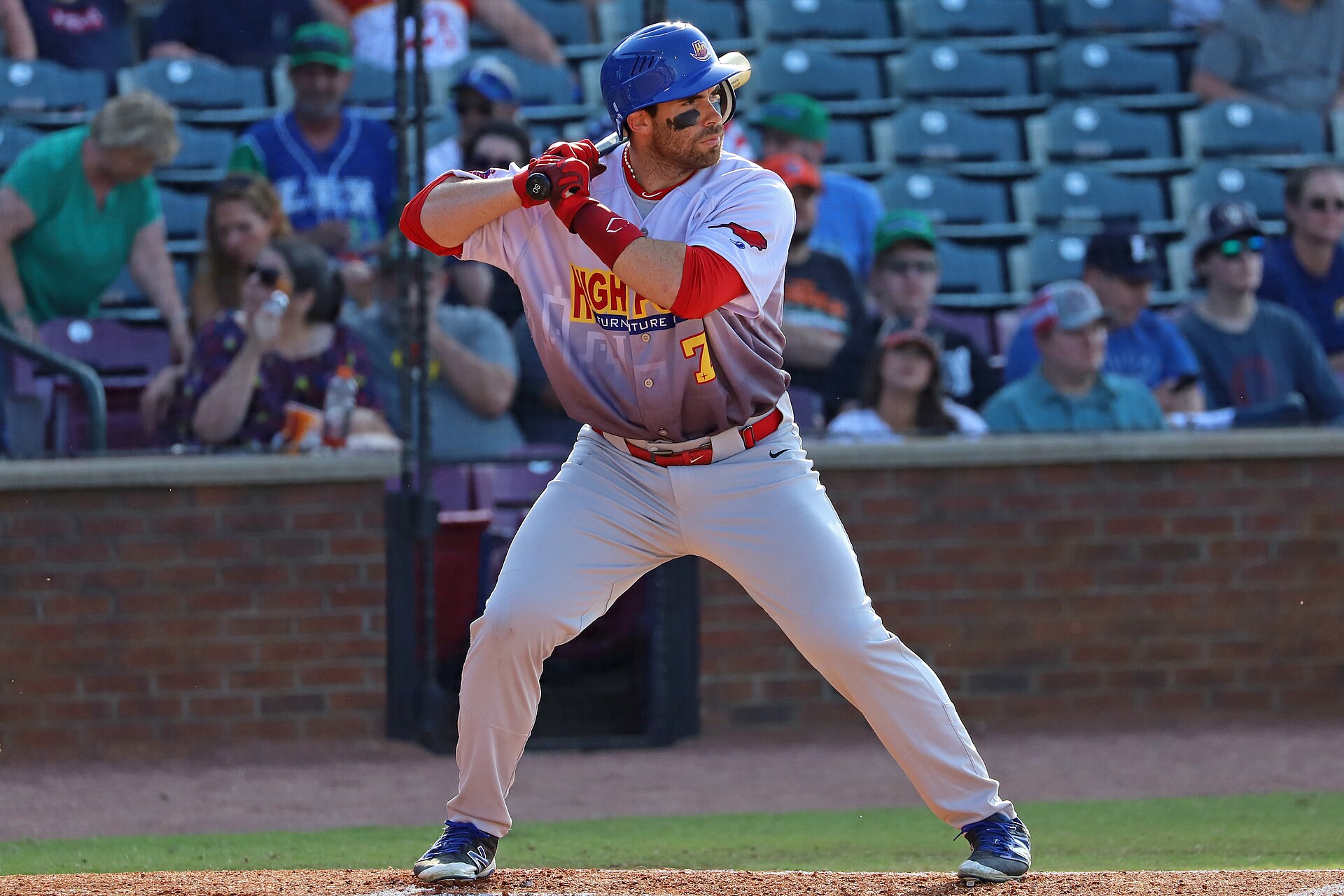
Baseball has always treated the strike zone as a moving target. In the early days of 19th-century baseball, the zone was more of a suggestion, and it was not until 1887 that the first official zone was codified. Since then, the zone has evolved repeatedly, which is why ABS fits the sport’s history instead of breaking it. The league has been adjusting the definition of a strike for more than a century. ABS simply makes the latest version visible and auditable.
The final design of the current ABS Challenge System was shaped by feedback from players, coaches, front office staff, umpires and fans. The test path ran through Triple-A starting in 2022, then 2025 spring training and the 2025 All-Star Game before MLB approved the system for the major leagues beginning in the 2026 season.
Why the Atlantic League still owns this story
The Atlantic League’s role is bigger than being first. It showed MLB that the strike-zone debate could be converted into a repeatable in-game decision with visible stakes. The league’s 2019 debut games in High Point, Lancaster and Long Island were not a stunt; they were the first proof of concept for a model that would later reach the majors in refined form.
Sources
- [1]atlanticleague.com
- [2]mlb.com
- [3]espn.com
- [4]dodgerblue.com