Battell Beach, where Quadball first took shape at Middlebury College

Battell Beach is where quadball’s whole identity was set in motion: not in a pro arena, not in a federation office, but on a Middlebury College campus field where students made the game up as they went. On October 9, 2005, a group of students gathered there and played the first game that would grow into today’s sport, and that origin still explains why quadball feels more scrappy, communal, and student-built than top-down.
The campus that created the sport
Middlebury’s role is not a footnote. US Quadball says the sport was originally adapted from the Harry Potter book series in 2005 at Middlebury College in Vermont by Xander Manshel and Alex Benepe, while Middlebury’s own coverage identifies collegiate quidditch as the invention of Alex Benepe ’09 and Xander Manshel ’09. The International Quadball Association adds a wonderfully loose detail from that same year: Benepe and Manshel decided to try playing quidditch instead of bocce one afternoon, and that improvisation helps explain why the sport’s early culture prized invention over polish.
That matters because Battell Beach was never just a neutral patch of grass. It was the place where the game’s earliest habits formed: DIY rules, physical pace, and a willingness to build a sport from campus culture rather than wait for permission. Middlebury still refers to the game as “Muggle Quidditch” created there in 2005, which tells you how strongly the college remains tied to the sport’s origin story.
How a campus game turned into a circuit

The jump from one campus experiment to an organized competition happened fast. US Quadball’s championship history shows that the first three U.S. national championship events were held at Middlebury in 2007, 2008, and 2009, when the event was still called the World Cup. That same history later moved the title into new markets, including New York City, but the early pattern is the telling one: the sport did not outgrow Middlebury so much as it exported the Middlebury model.
Middlebury’s event pages say that from 2005 to 2009, more than 20 teams came to Vermont to compete in the World Cup. The International Quadball Association says that within a year of the first intercollegiate match, the sport was already staging an international-style World Cup with 11 U.S. college teams and one Canadian team. Those numbers matter because they show a sport that scaled in real time, with enough repeat participation to move from a campus novelty to a recognizable competition ladder.
Word of mouth built the early growth
Quadball’s expansion was never driven by a slick launch campaign. US Quadball says early growth relied heavily on word of mouth, with Alex Benepe, described as the first commissioner, and Middlebury players traveling to colleges to recruit new schools and supporters. That kind of growth leaves a different footprint than a centralized rollout: it creates a network of players who learned the sport from other players, not from a governing body handing down a finished product.
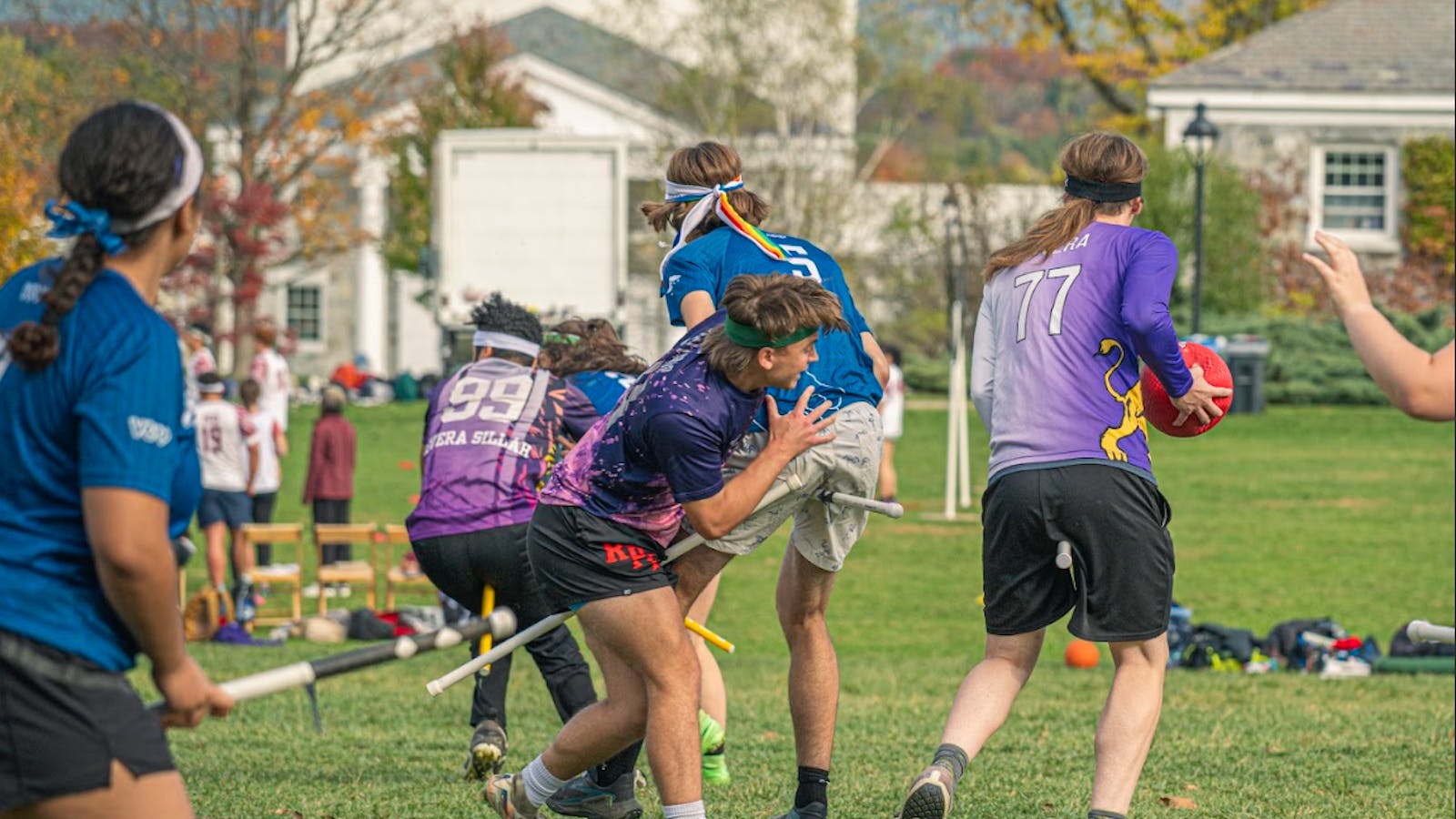
By 2026, US Quadball says thousands of players, coaches, volunteers, officials, and supporters have contributed to that story. The sport is now played by nearly 600 teams in 40 countries, which is the kind of scale that makes the Battell Beach origin even more striking. The early spread was not powered by infrastructure first; it was powered by people showing up, explaining the game, and convincing the next campus to try it.
Why the rebrand did not erase the origin
The sport’s 2022 name change from quidditch to quadball is part of the same evolution, not a break from it. US Quadball says the game kept growing beyond its Harry Potter roots, but the Middlebury origin remains central because it explains the community-first DNA supporters still want preserved as the sport matures. The rebrand changed the label; it did not change the fact that the sport was built by students, through improvisation, and then spread by the people who loved playing it.
That is why Battell Beach still functions as more than a sentimental reference point. It is the clearest lens for understanding what quadball is trying to protect while it grows: openness, volunteer energy, campus identity, and a culture that came before formal polish. In a sport that now spans continents, the original field still tells the cleanest story about where the game’s habits came from.
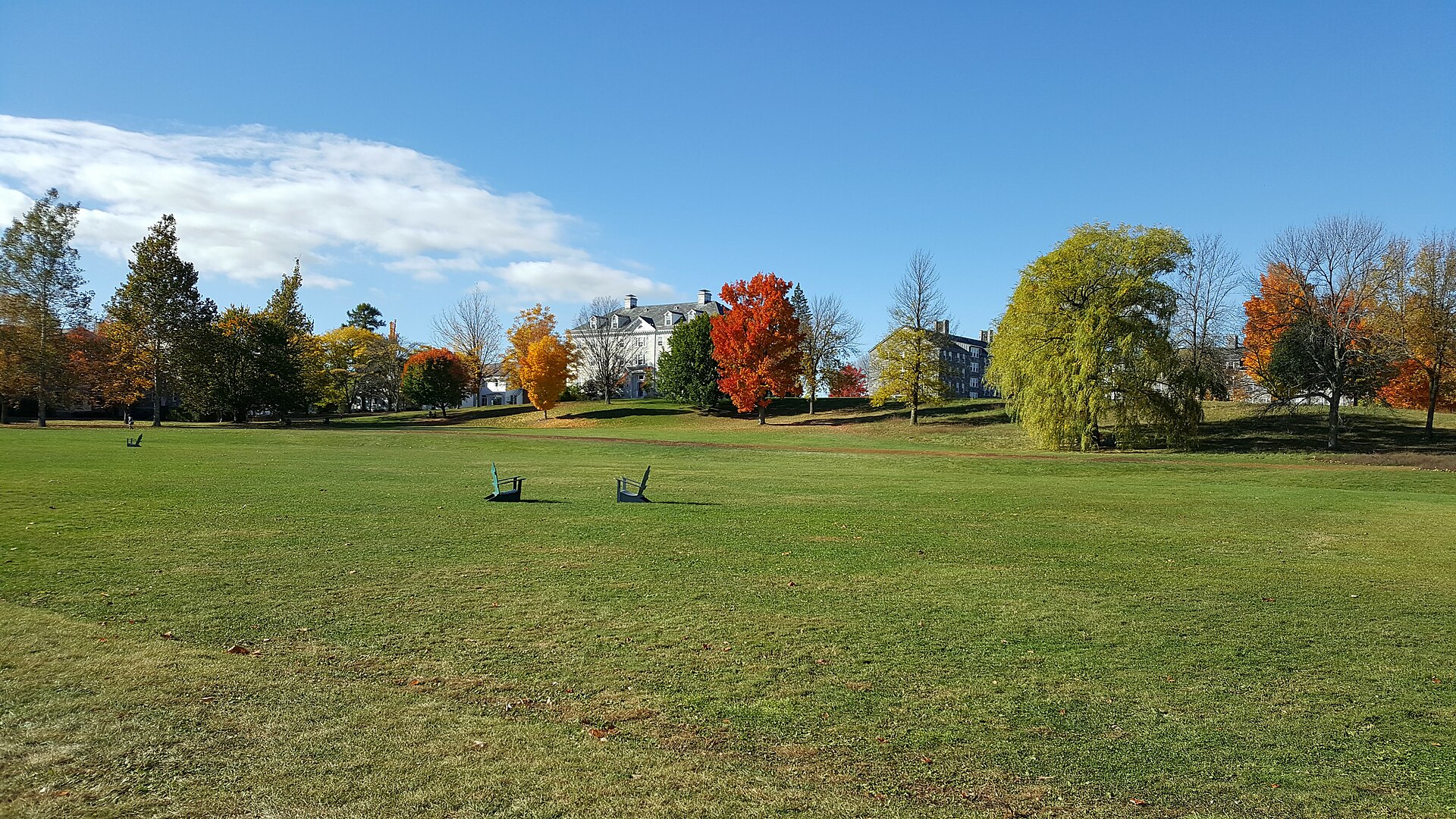
Battell Beach still carries the sport’s public memory
Middlebury has kept that memory active. In 2017, the college celebrated “Muggle Quidditch” on the same campus field known as Battell Beach, 12 years after the sport was invented there. Middlebury has also hosted Battell Beach events such as the Middlebury Classic Quidditch Tournament in 2021 and 2022, showing that the site still functions as a live part of the program’s calendar, not just a historical marker.
US Quadball has gone a step further by choosing Middlebury for its inaugural All Star Weekend and explicitly calling it the birthplace of the sport. That is a clean line from origin to present: the first game was played at Battell Beach, the first championships stayed at Middlebury, and the field still anchors celebrations, tournaments, and institutional memory. For quadball, geography is not decoration. Battell Beach is the sport’s proof of concept, and it still explains what the game values as it keeps growing.
Sources
- [1]usquadball.org
- [2]middlebury.edu