Beach Ultimate grows from Texas roots to global championship scene
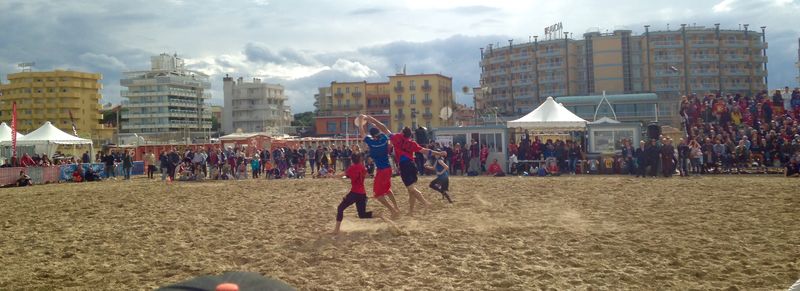
Beach ultimate did not become a separate sport by accident. It changed the surface, the pace, and the culture, but kept the same self-officiated DNA, the same scoring idea, and the same demand for timing, space, and trust. That mix is why a 1986 Texas tournament grew into a discipline with world titles, formal rules, and its own annual pilgrimage points.
From Texas sand to Rimini’s stage
The first beach ultimate tournament took place in Texas in 1986, a small starting point for something that would spread far beyond the Gulf Coast. Three years later, the first international beach ultimate tournament landed in Rimini, Italy, at Paganello, and that event gave the format a home with real name recognition.
Paganello mattered because it was more than a one-off showcase. It became the place where players from different countries could meet on sand, compare styles, and return home with new standards for what beach ultimate could look like. In 1999, that momentum helped produce BULA, the Beach Ultimate Lovers Association, created in Rimini to help organize, educate, and promote the sport worldwide, with the concept driven by Gian Pietro “Jumpi” Miscione, Peldi, and others from the city.
Why the beach game still feels like ultimate
Beach ultimate is played on a smaller field, usually 75 by 25 meters, and it is generally 5-a-side. A 4-on-4 version is also gaining popularity, which keeps the game nimble and opens the door to even more constant involvement from every player on the line.
The sand changes everything without changing the sport’s identity. Movement costs more, cuts are shorter, throwing angles shift, and turnovers can flip a point fast because the field is compressed. Still, the core pieces remain unmistakable: the scoring target is the same, the game is self-officiated, and the tactical DNA still rewards clean resets, smart spacing, and the ability to read a defense one cut ahead.
That is the key to beach ultimate’s appeal. It is not ultimate with the hard parts removed; it is ultimate under pressure, with less room to hide and less time to waste.
Paganello built the culture around the competition
Paganello is the event that turned beach ultimate from a regional variation into a global gathering. Its own FAQ describes it as an annual huge frisbee event built around two competitions, the World Beach Ultimate Cup and the World Freestyle Challenge, with a rich social scene as part of the formula. That combination made the event feel like a championship, a festival, and a reunion at the same time.
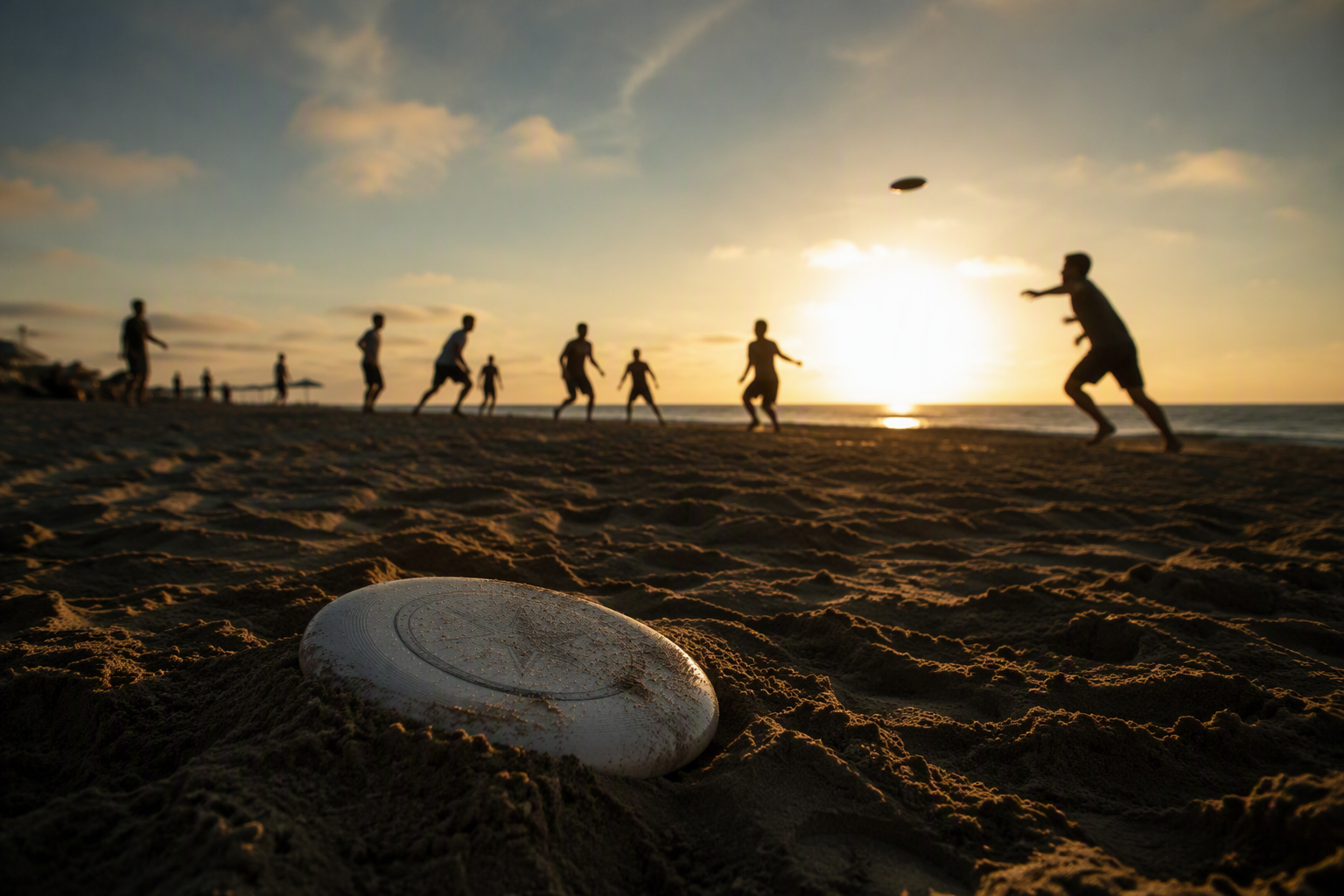
That social layer is not a side note. In beach ultimate, it has helped create traditions that grass-only events rarely match, because the same sand, the same shoreline setting, and the same annual return schedule keep the community in motion. Paganello gave the sport a recognizable annual center of gravity, and once that existed, the international calendar had a place to grow around.
BULA and the rules that made the game portable
BULA’s role was to turn enthusiasm into structure. The group recognized beach ultimate in three main formats, Open, Women, and Mixed, and it also supports age-based divisions that include Master, with women 30-plus and men 33-plus, Grandmaster at 40-plus, and Great GrandMaster at 48-plus. That matters because beach ultimate did not build itself only around elite open play. It built a broad ladder that keeps players in the game longer and gives more teams a place to compete.
The rules have also become increasingly standardized. WFDF has issued official beach ultimate rule editions effective in 2013, 2019, 2022, and 2025, and the federation’s materials also include additional championship game rules. That kind of formalization is a sign of maturity: the sport is no longer improvising its identity, it is documenting it.
The championship level arrived early and kept expanding
The first World Championship of Beach Ultimate was organized by BULA in 2004 in Figueira da Foz, Portugal. WFDF later described that event as the first World Championship of Beach Ultimate co-hosted by the federation, and the official championship site places the national-team competition from 25-29 August 2004.
By 2011, the event had already become a serious international benchmark. WFDF’s report on the World Championships of Beach Ultimate in Lignano Sabbiadoro, Italy, listed the tournament dates as 22-28 August 2011 and showed the USA winning gold in five of the six divisions. That is not the profile of a novelty. That is the profile of a sport with a widening competitive gap, deeper national programs, and enough depth to fill multiple brackets.
The 2025 World Beach Ultimate Championships coverage pushed the same point forward. Finals and gold-medal rounds were spread across multiple divisions, which shows the discipline still operating on a championship scale rather than as a fringe add-on to the grass game. Beach ultimate now has a repeatable international stage, and that is exactly what the Texas and Rimini milestones were building toward.
Beach ultimate became one of ultimate’s most important growth engines because it solved two problems at once: it gave the sport a different setting, and it gave the sport a more accessible, globally portable format. Smaller rosters, compressed space, and a festival-friendly atmosphere made the game easier to stage and harder to ignore. The result is a branch of ultimate that changed the conditions without surrendering the sport underneath.
Sources
- [1]wfdf.sport
- [2]beachultimate.org
- [3]paganello.com
- [4]wcbu2004.org