Beach Ultimate is officially 5-on-5, and sand changes everything
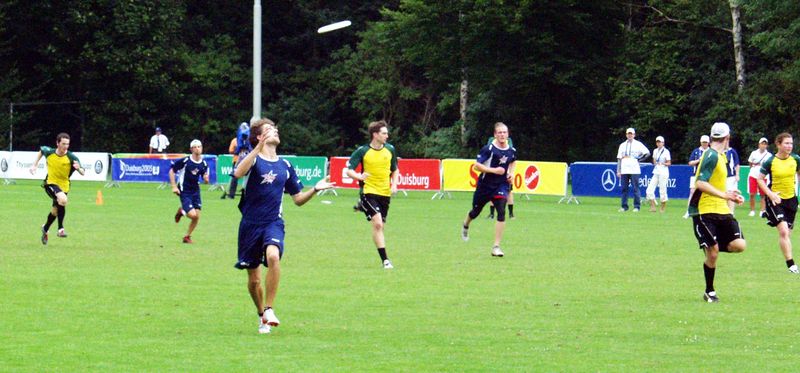
Beach Ultimate is officially 5-on-5, not the 7-on-7 setup most Ultimate fans picture, and that one change is where the sport starts to diverge. On WFDF’s 75x25m beach field, the same disc, the same scoring objective, and the same self-officiated culture now play out under a different kind of pressure, where every cut, every recovery step, and every substitution carries more weight.
Same sport, different logic
WFDF’s Rules of 5-on-5 Beach Ultimate 2021-2024 are the official version effective 2022-01-01, produced by the WFDF Ultimate Rules Sub-Committee and the WFDF Beach Ultimate Committee. That matters because beach is not a side-event improvisation, it has a formal rule structure that tells teams exactly how the game is meant to work. The field is smaller, the player count is lower, and the result is a game that rewards precision and punishes wasted movement.
Five players instead of seven changes the geometry immediately. There is less room for help defense, fewer cutters to occupy lanes, and more direct responsibility for each player on both sides of the disc. On a 75x25m surface, isolate space appears faster, double teams are harder to hide, and possession management becomes a possession-by-possession exercise instead of a marathon of layered movement.
WFDF also notes that a 4-on-4 version is gaining popularity, which is useful context because it shows beach Ultimate is not frozen in one format. The smaller the lineup, the more every player is exposed to the full burden of the point, and the more the sport tilts toward versatility over specialization. In beach, roster construction is part of the game before the first pull even goes up.
What sand does to the game
Sand changes the physical cost of movement, and that is where the tactical layer really shifts. Full-speed cuts are harder to sustain, defenders recover without the benefit of firm traction, and throwers have to create windows with timing and touch instead of simply outrunning coverage. The sport keeps its Ultimate structure, but the pace becomes more attritional because the surface taxes every acceleration and every change of direction.

That creates different value for different skills. Clean footwork becomes a weapon, quick resets matter more because stalled possessions are expensive, and stamina management is not a coaching buzzword but a roster necessity. A player who can win one hard cut on grass might not win three consecutive ones on sand, which is why point-by-point energy use matters so much in beach.
The smaller field also shrinks the margin for error. On grass, teams can sometimes stretch defenses by moving the disc side-to-side and waiting for a lane to open; on sand, those windows arrive faster and disappear faster, which raises the value of sharp decisions and disciplined spacing. The game can still be beautiful, but it is a different kind of beauty, built on efficiency rather than endless sprint volume.
Why the rulebook matters
The title itself, Rules of 5-on-5 Beach Ultimate 2021-2024, says what this discipline is: versioned, maintained, and governed. That is reinforced by the separate appendix for additional championship-game procedures, which gives elite events a standardized framework instead of leaving organizers to improvise. Beach Ultimate may look loose and sun-soaked from the sideline, but the international version is built on an actual rules architecture.
That structure also shows up in how WFDF treats the code cycle. The 2021-2024 beach rules sit inside a broader rules ecosystem that later produced the 2025-2028 beach rules, which is how a mature sport keeps its format current without reinventing it. For players and coaches, that means the beach game is stable enough to plan around, yet flexible enough to evolve as the competitive level rises.
The practical result is consistency. Teams can travel from one championship to another knowing the format is not a local variation, and officials can apply a shared standard across events. In a sport built around self-officiation, that kind of codification matters because it keeps the game recognizable even when the surface changes everything else.
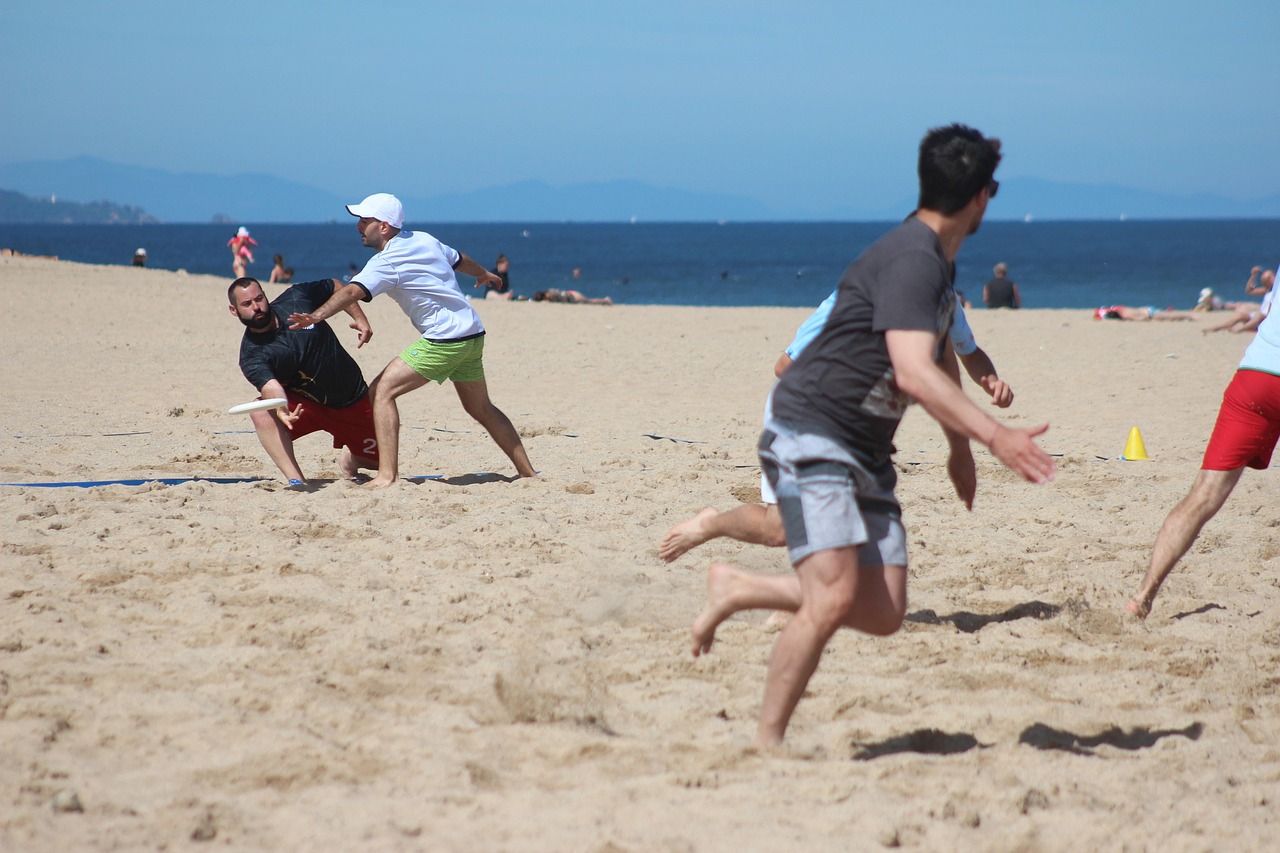
From Texas sand to world championships
Beach Ultimate’s history runs deeper than a novelty beach circuit. WFDF says the first Beach Ultimate tournament took place in 1986 in Texas, and the first international Beach Ultimate tournament followed in 1989 at Paganello in Rimini, Italy. That progression matters because it shows the format was never just a summer add-on, it was building its own competitive identity from the start.
The next step came in 1999, when the Beach Ultimate Lovers Association, or BULA, was created to help organize, educate, and promote Beach Ultimate worldwide. By 2004, BULA had organized the first World Championship of Beach Ultimate in Figueira da Foz, Portugal, which turned the discipline from a regional tradition into a true international championship lane. That is the point where beach stopped borrowing legitimacy from grass and started generating its own.
The scale keeps rising. WFDF said in 2023 that more than 700 players from 50 teams and 15 countries would compete at the World Beach Ultimate Championships in Huntington Beach, California, and it planned to stream up to 50 matches with Ultiworld, up to 12 contests per day. WFDF later said the 2025 World Beach Ultimate Championships in Portimão, Portugal, would bring together 136 teams from 38 countries across 10 divisions and more than 2,500 participants.
There has also been vulnerability along the way. WFDF canceled the planned 2022 World Beach Ultimate Championships in January 2022 after late withdrawals and reduced income left too few teams for the event to be viable. That is the reminder beneath the growth numbers: beach events are global, but they still live or die on registration levels, travel economics, and whether enough teams can commit.
Beach Ultimate is not grass Ultimate at the seaside. The 5-on-5 format, the 75x25m field, the sand under every cut, and the official rules behind it all produce a different game with different answers, and the teams that understand that gap are the ones built to win it.
Sources
- [1]wfdf.sport