Big League Wiffle Ball brings live ESPN+ games to sound stages
Big League Wiffle Ball has pushed wiffle ball into a new kind of spotlight, trading backyards for sound stages and treating the sport like a broadcast property built for ESPN+. The league says its 2026 season is its second professional campaign, with 10 city-based franchises, weekly Sunday game days and live coverage on ESPN+ and ESPN2.
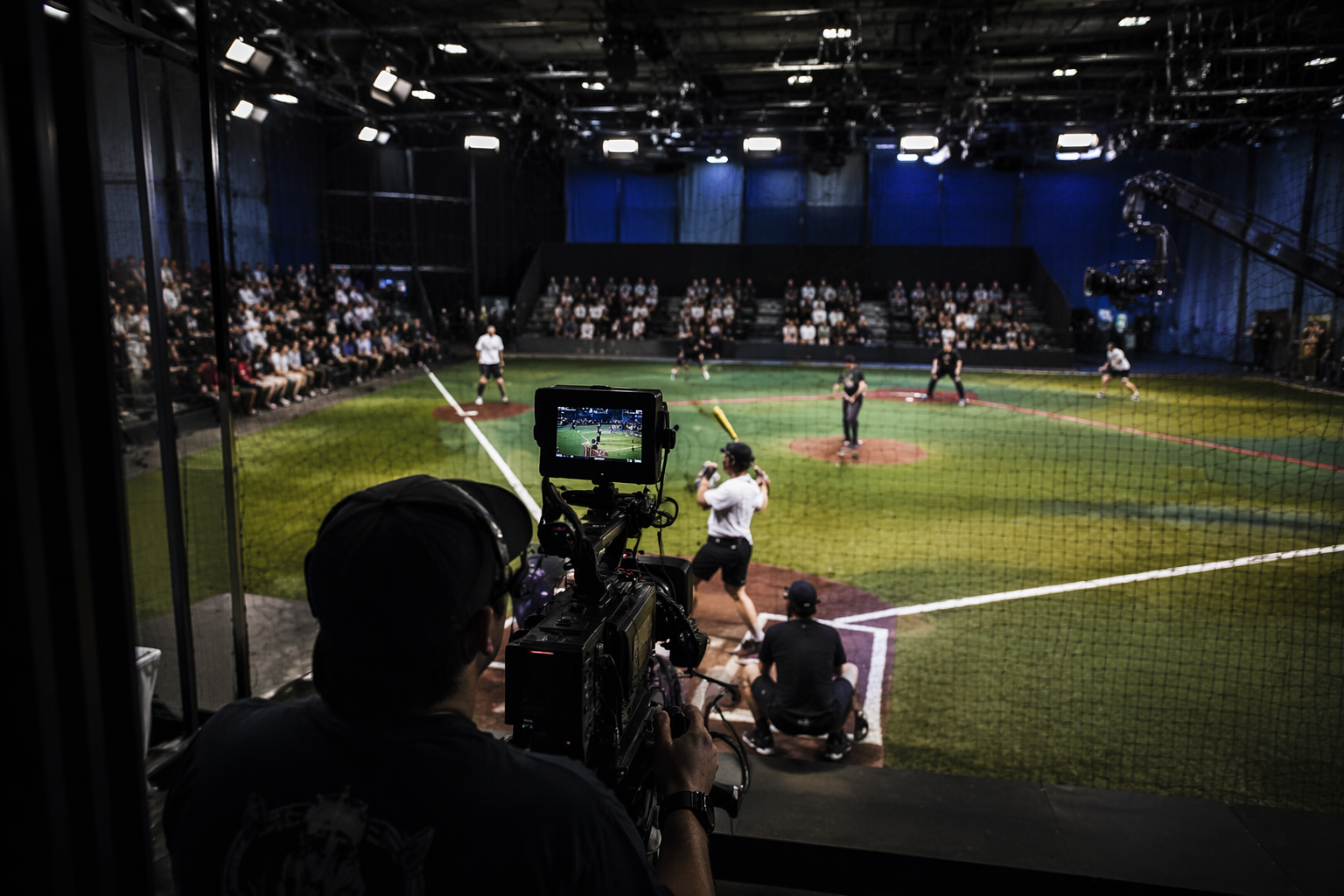
The season opened June 7 in Atlanta with eight games split into two sessions at Assembly Studios in Doraville, Georgia, and the opening-day promotion said the event sold out. That matters as much as the baseball itself: Atlanta media coverage described the studio setting as a rare chance for fans to get inside a working production complex while sound stages are converted into an intimate wiffle ball venue. In a sport that grew out of driveways and cul-de-sacs, the production value is now part of the sell.
BLW says all regular-season and playoff games this summer are being played at Assembly Studios, with an All-Star Game set for St. Louis and the World Series scheduled for Orlando. A June radio interview said the league’s 2026 games will run through August, giving the season a tight summer rhythm that fits its Sunday broadcast window and keeps the product moving from week to week.
The legitimacy story is rooted in Logan Rose, the founder and commissioner, who started the league during the COVID-19 pandemic and, by one account, was 13 when he launched it in 2020. BLW says it began as a four-team backyard league before expanding into a national franchise operation. That climb has already included tournaments, a World Series at AT&T Stadium in Arlington, Texas, and a 2025 first professional season opener in Scottsdale, Arizona, at Scottsdale Stadium.
The expansion also shows up in the league’s ownership footprint. BLW’s 2026 opening-day promotion highlighted a new Atlanta Ballers franchise led by Julio Jones and Nelly, part of a broader group of reported ties that also includes Kevin Costner, Gary Vaynerchuk, David Adelman, Marc Lasry, David Blitzer and Dude Perfect. For a sport long defined by improvisation, those names signal an attempt to build something sturdier: a media-ready league with recognizable backers, identifiable markets and a broadcast schedule that can keep growing.
BLW is still proving the concept, but the move to Assembly Studios suggests the league understands the assignment. If wiffle ball is going to become a true pro product, it will need more than nostalgia and novelty. It will need repeatable venues, dependable airtime and enough demand to make a sold-out studio feel like the beginning, not the peak.