Big Sky State Games sets strict roster rules for Flag Football 5v5

The strictest part of Big Sky State Games Flag Football 5v5 is not the route to the end zone. It is the roster sheet. With the tournament set for July 18-19, 2026 at Skyview High School Practice Field in Billings, the event is being built around rules that leave little room for improvisation and a lot of room for competitive balance.
Roster control is the first competitive test
Big Sky State Games makes the roster requirement blunt: players must be on a roster to participate in any competition. Each player checks in when arriving at the field, and any team that uses a non-rostered player receives an automatic forfeit. That rule also covers the common tournament temptation to patch holes with extra bodies when a squad shows up short. In practical terms, the Games are telling coaches that late roster tinkering is not a strategy, it is a risk.
That matters because 5v5 flag football can turn on small margins. A team that cannot keep its roster organized loses more than flexibility. It loses the ability to protect itself from a forfeit, and it gives officials and tournament staff a cleaner standard to enforce when disputes arise. For an amateur event that wants to be taken seriously, certainty is part of the product.
The 10-player cap shapes how teams are built
The other rule that stands out is the ceiling: no team may have more than 10 players. In a 5v5 format, that limit is significant because it keeps rosters tight and prevents one side from stockpiling depth that could distort the competition. With only 10 spots available, each roster has exactly enough players to field a side and a modest bench, but not enough to create the kind of depth advantage that changes the shape of the game.
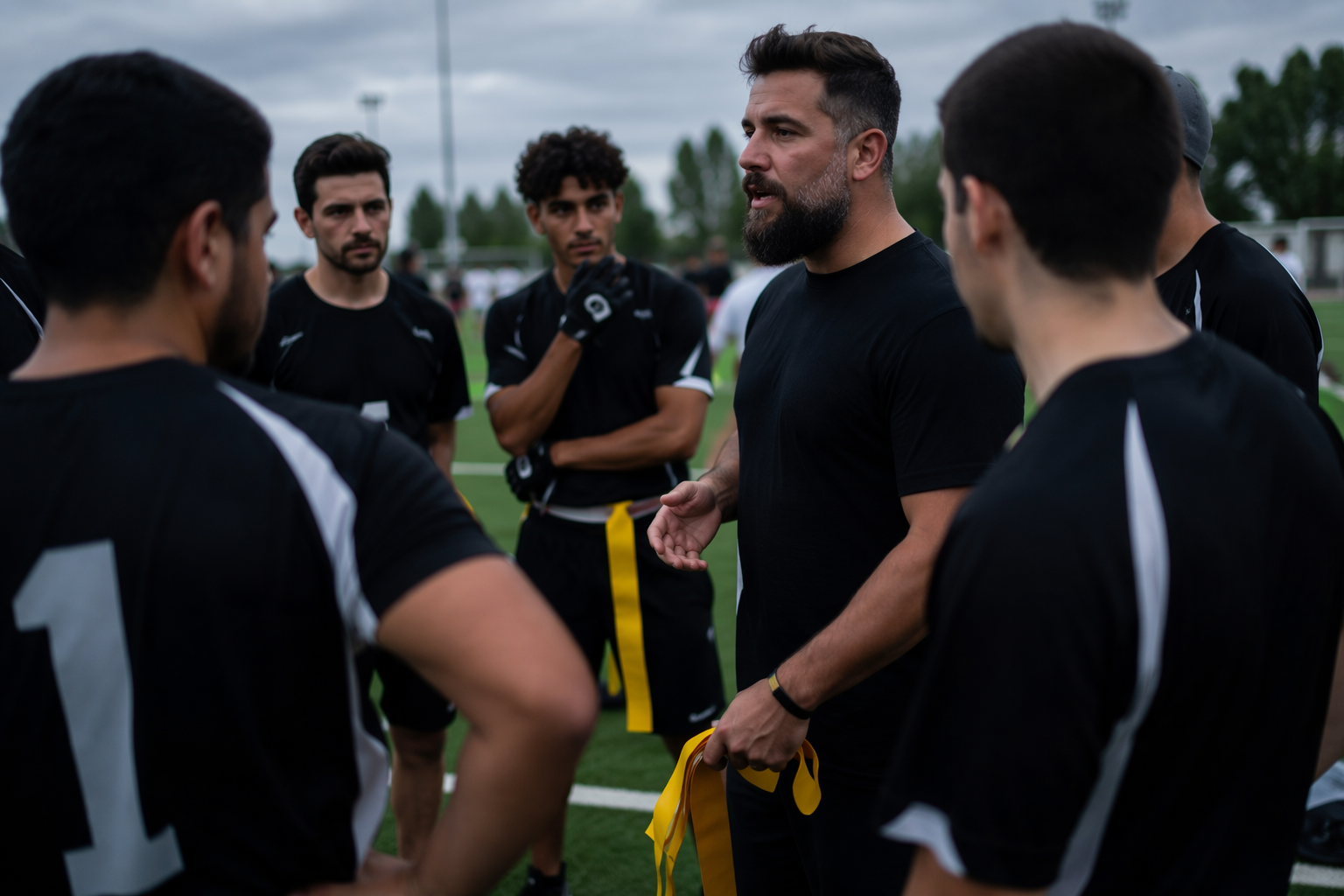
That has real tactical consequences. Coaches have to manage substitutions carefully, balance stamina across two days, and think ahead about injuries or absences before arriving in Billings. A 10-player roster also forces accountability: every player listed matters, and every absence is felt immediately. In a small-sided game where speed, recovery, and spacing are already decisive, the cap helps keep the bracket on level ground.
Check-in is part of the competition, not just an entry formality
The rules page also says check-in will be done according to the Big Sky State Games official rosters, which reinforces how formal the event is being run. This is the kind of operational detail that separates a state-games style showcase from a casual weekend league. Each player arriving at the field has to match the official record, which reduces confusion before the first snap and gives officials a clear reference point when lineups are challenged.
That structure protects competitive credibility in a way spectators may not notice until something goes wrong. When rosters, check-in, and eligibility all line up, disputes are easier to settle and results carry more weight. For an event that sits inside a larger multi-sport calendar, that kind of consistency helps flag football look and feel like a serious championship property rather than an informal side event.
Billings gets a two-day football stage
The tournament is scheduled for July 18-19, 2026 at Skyview High School Practice Field, 1774 High Sierra Blvd, Billings, MT 59105. The event page includes a Register Your Team link, and the listing names the Arthur M. Blank Foundation as a supporter. A Big Sky State Games social post also pushed the tournament with the line “Run yards and score touchdowns” and said teams should register by July 1 to receive a T-shirt at check-in.

Those details matter because they show how the Games are packaging the event: a two-day competition, a specific venue, a direct registration path, and a small but effective participation incentive tied to early sign-up. The T-shirt cutoff is not just a giveaway detail. It is another sign that the event is being run with the kind of planning that keeps amateur tournaments organized and predictable.
Flag football is already part of the Games’ broader growth
The 5v5 event does not sit in isolation. In June 2025, Yellowstone Public Radio said two new sports were added to the Big Sky State Games, a sign that the organization has been expanding its offerings. That expansion helps explain why flag football has a more visible place in the schedule now, alongside other events across the same summer period, including July 18 activities and a July 19 axe throwing competition.
The sport also arrives with a competitive history already attached to it. Three Forks Voice noted that the Three Forks High School flag football team won the 2025 Big Sky State Games 7x7 title in Billings. That result shows the Games already have a track record in flag football, and it gives the 5v5 competition a built-in sense of continuity rather than a startup feel.
Taken together, the roster cap, the eligibility rules, and the formal check-in process say a lot about how the Big Sky State Games wants this tournament to function. The event is not just asking teams to play hard. It is asking them to arrive organized, stay compliant, and earn every snap inside a structure designed to keep the competition fair from start to finish.