Brazil flag football players suspended over misogynistic WhatsApp scandal
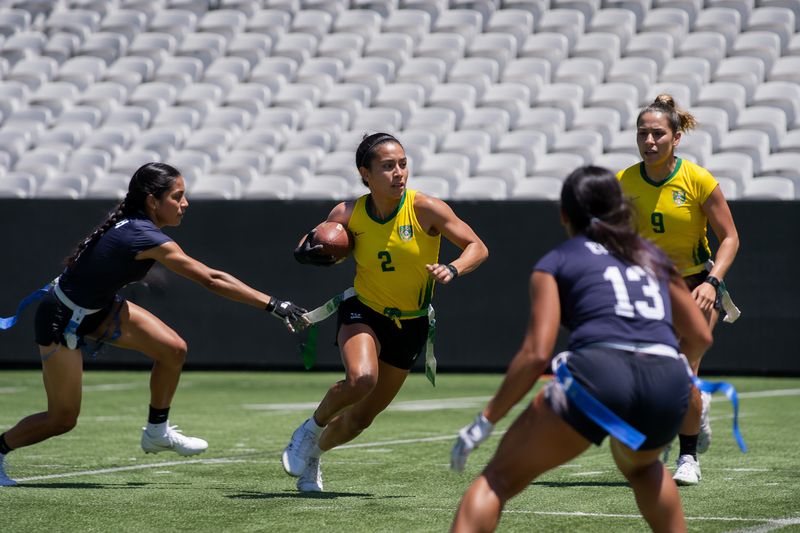
Five players from Brazil’s men’s national flag football team were suspended after a WhatsApp group exposed misogynistic messages targeting female athletes and officials, along with talk of doping rivals. The fallout has spread beyond the locker room: the scandal now reaches into the leadership of the Brazilian Football Confederation, with the president and vice president also pulled into the controversy.
That makes the case bigger than a disciplinary problem for a single roster. Brazil’s women’s flag football team has been rising fast, and its progress is now tied to the same national structure that is supposed to protect players, not degrade them. The allegations land at a moment when the sport is moving toward its Olympic debut at the Los Angeles 2028 Games, a stage that will magnify every credibility hit.
Brazil had already secured a place in the 2026 IFAF World Championships by finishing fifth in both the men’s and women’s tournaments at the Americas flag football qualifiers in Penonomé, Panama, held Sept. 13-14, 2025. The 2026 worlds are scheduled for Düsseldorf, Germany, and for Brazil both teams were positioned to use that event as a launch pad toward the sport’s Olympic future. Instead, the women who helped earn that berth are now part of the damage from a culture that allegedly mocked them behind closed doors.
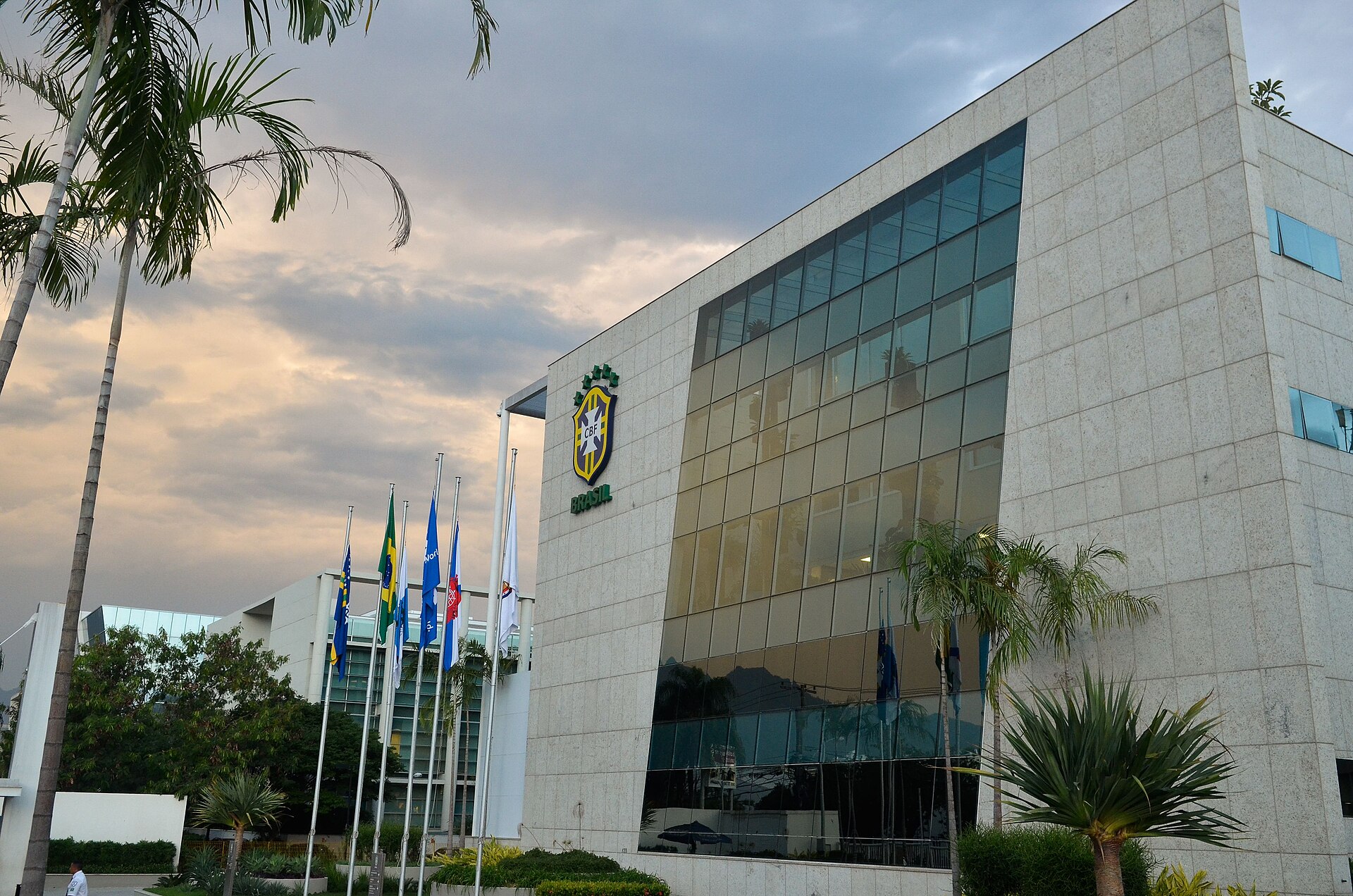
The size of the sport only sharpens the stakes. Flag football is now played by more than 20 million people in over 100 countries, and the International Olympic Committee’s decision to add it for 2028 has pushed governance and integrity issues into the spotlight. In a sport still defining its global identity, the question is not just how Brazil disciplines five players, but how seriously the entire program polices conduct that undercuts women, competitive integrity and public trust.
Brazilian sports has already shown that sexist behavior can carry real penalties. In a separate case involving referee Daiane Muniz, Gustavo Marques was handed a 12-match ban and a fine of R$90,000 for misogyny, a reminder that sanctions are no longer symbolic when abuse crosses the line. For flag football, the message is harsher and simpler: if the sport wants Olympic legitimacy, it has to prove it can govern itself before the scandal defines it for everyone else.
Sources
- [1]x.com
- [2]olympics.com
- [3]ge.globo.com
- [4]espn.com.br
- [5]sportandrightsalliance.org