British Dodgeball builds pathway from schools to national teams

British dodgeball is built like a pyramid, not a one-off school game. British Dodgeball says it is the national governing body for England, Northern Ireland, Scotland and Wales, formed in 2017 as a non-profit that reinvests income back into the sport. Its structure reaches from school games delivery and coaching resources to adult leagues, junior championships, university competition and national team support, giving players a route that is visible at every step.
A pathway, not a patchwork
The key difference in the UK model is connection. British Dodgeball’s own planning material lays out adult open competitions and championships, adult open, women’s and mixed leagues, junior opens and championships, university opens and leagues through BUCS, and schools championships for primary and secondary ages. That list matters because it shows where athletes are gained, where they are kept, and where they are lost.
British Dodgeball also frames its wider purpose as creating opportunities for people to belong, compete and thrive through play. The World Dodgeball Federation adds a practical point behind that mission: British Dodgeball receives no government or other external funding, so the sport is being grown through membership, events, coaching and sales income. In other words, the pathway is not just a philosophy, it is the operating model.
Where players enter: schools and clubs
The entry point is designed to be navigable. British Dodgeball’s club finder leads players to member clubs, university teams, associate clubs, youth groups, after-school groups and community organizations. If there is no club nearby, the site invites players to submit an interest form or start a new club with help from club-development resources, which turns a distant sport into something local and reachable.
The school championship ladder is even more explicit. For primary schools, the pathway runs from county rounds to regional championships and then national championships, while girls’ events begin at the regional round. For Year 7 and Year 8 secondary schools, the route runs through regional championships to national finals, using full U13 rules with a maximum of 10 players and six on court at the start of a set.
British Dodgeball also makes the school entry point cheaper to open. Junior membership is free and includes merchandise discounts plus access to British Dodgeball leagues and events. Schools entering championships get access to online introductory courses for school dodgeball and officiating for two staff members per course, which means a school can move from first contact to competition without building everything from scratch.
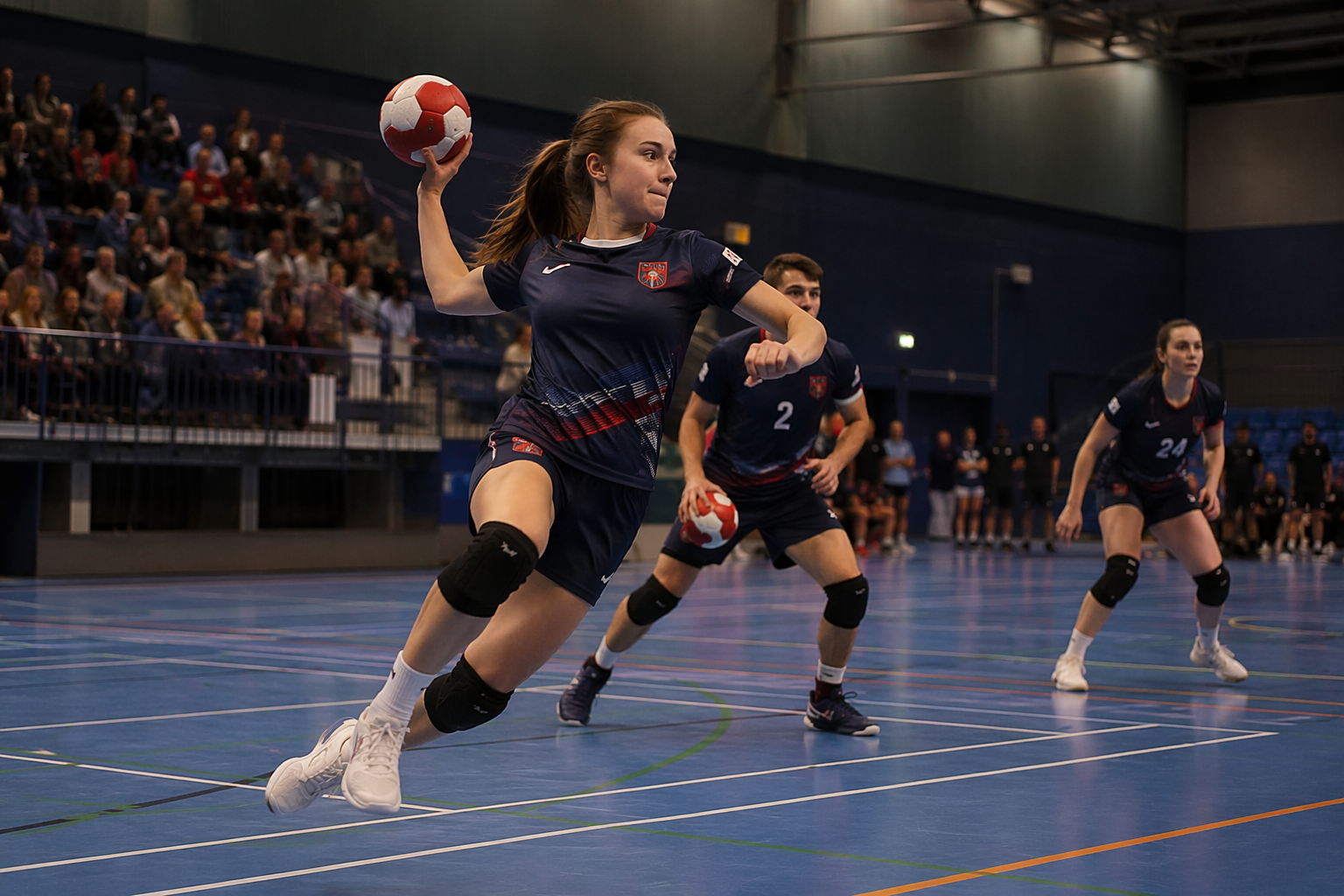
What the school pipeline is doing
The school system is not just a participation idea on paper. British Dodgeball’s July 2024 Schools Championship Survey covered 162 pupils from 19 primary schools and 18 high schools across 28 counties, giving the governing body a broad sample of how the sport is landing in classrooms and school halls. That scale matters because it shows the game is reaching beyond one region or one type of school.
The organization has also widened that research lens. Its survey work now includes schools, colleges and school games organizers, alongside universities, coaching companies and community clubs. Your School Games says British Dodgeball recommends primary quick-start rules and designs the resources so teachers and school games organizers can give all pupils, regardless of ability, the chance to play and compete.
The Association of Colleges adds another important detail to the pathway. It says British Dodgeball hosts a growing number of school championship events in partnership with colleges and sixth forms, and that those events help students develop coaching, leadership and officiating skills in a sport that is both inclusive and cost-effective. That is exactly the kind of bridge many dodgeball systems still lack: a school competition that does not end at the final whistle, but spills into leadership and workforce development.
The university layer keeps players in the game
University sport is where a lot of pathways break down, but British Dodgeball has built a formal bridge there too. The governing body says university teams can compete in BUCS dodgeball, British Dodgeball University Opens, mixed leagues and championship events, and that university teams are also welcome in community opens and leagues. That creates a route for players who leave school but do not want to leave competition.
BUCS gives that tier a measurable footprint. More than 75 teams competed in BUCS dodgeball in the 2024-25 season, which shows the university game has grown into something with real depth rather than a handful of showcase fixtures. BUCS regulations also require institutions and playing entities to be members of British Dodgeball, tying the university scene directly into the national governing body’s structure instead of leaving it as a separate ecosystem.

The elite pyramid and the British Championship
At the top of the domestic ladder sit the Super Leagues. British Dodgeball says the English, Northern Irish and Scottish Super Leagues are the pinnacle of dodgeball in the UK, with the top teams each year qualifying for the British Championship. Beneath that, the National League system in England is described as the pathway below Super League, which gives clubs a clear route upward rather than a closed elite.
The 2025/26 season makes that structure concrete. British Dodgeball says Women’s and Men’s National League 1 will run across 10 rounds at shared venues including St George’s Park and Kettering Arena. The British Championship 2026 will then feature men’s, women’s, U11, U13, U15 and U18 competitions in Kettering, showing how the age-group and senior pathways converge in one national showcase.
Why this model matters for talent production
This is where the UK system offers a lesson to other dodgeball setups. British Dodgeball has built the pieces that usually sit apart: school competitions, club discovery, junior membership, university play, coaching education, officiating courses, national leagues and elite championships. When those parts are linked, athletes are less likely to disappear after school, and volunteers and coaches have a defined place to develop too.
The biggest missing piece in many systems is continuity. A child can find the sport through school PE, move into a club, keep playing at university, and still see a realistic route into high-level league play and British Championship competition. That is why the British model matters: it does not just produce matches, it produces a pathway that keeps the sport alive long enough to produce players, coaches and teams.