British Dodgeball primary rules keep school matches fast and inclusive
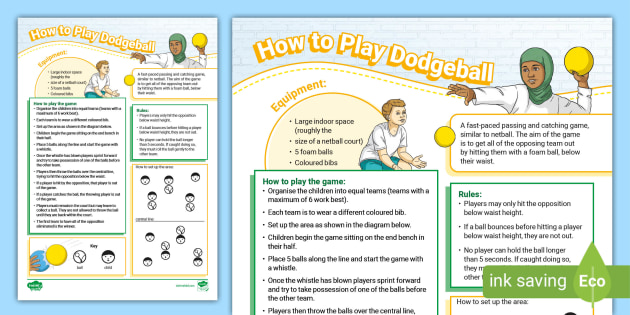
British Dodgeball’s primary-school rules are built to do something the full game does not always need to do: keep a lesson moving without losing the sport’s shape. A school match starts with six players on court, must include at least two girls, and allows squads of up to 10, so children rotate in and out while the game stays fast, clear, and easy to supervise.
How the primary format is built for school PE
The 2024/25 Primary School Quick Start rules narrow the sport to a size that fits a timetable and a gym floor. Each set lasts two minutes, and a full match is played as two halves of three sets, making six sets in all. That structure gives young players repeated chances to throw, dodge, catch, and reset, instead of waiting through long spells on the sideline.
The scoring system is just as direct. Teams earn 2 points for a set win, 1 for a draw, and 0 for a loss, and the same 2-1-0 pattern is used for match points in group-table play. If a knockout or positional game finishes level, the rules call for a one-minute overtime set, a compact solution that resolves results without dragging the lesson beyond its slot.
What the rules ask teachers and organisers to control
The school version is not informal playground dodgeball with a softer name. British Dodgeball’s school regulations for 2024/25, published on 2 September 2024, set out expectations around equipment and safety, first aid, uniforms, registration, and event conduct. That framework matters because school dodgeball is being run as a governed activity, not just a free-for-all in the sports hall.
One small detail shows how tightly the format is managed: players are not allowed to roll a ball to the opposition unless a match official instructs them to do so. British Dodgeball’s primary-school guidance also says substitutes should sit in the outbox or act as ball retrievers, which keeps non-playing children involved instead of idle. For each team, there must be a minimum of 2 ball retrievers, rising to 3 only if both teams agree, and those retrievers should be children from the team where possible.
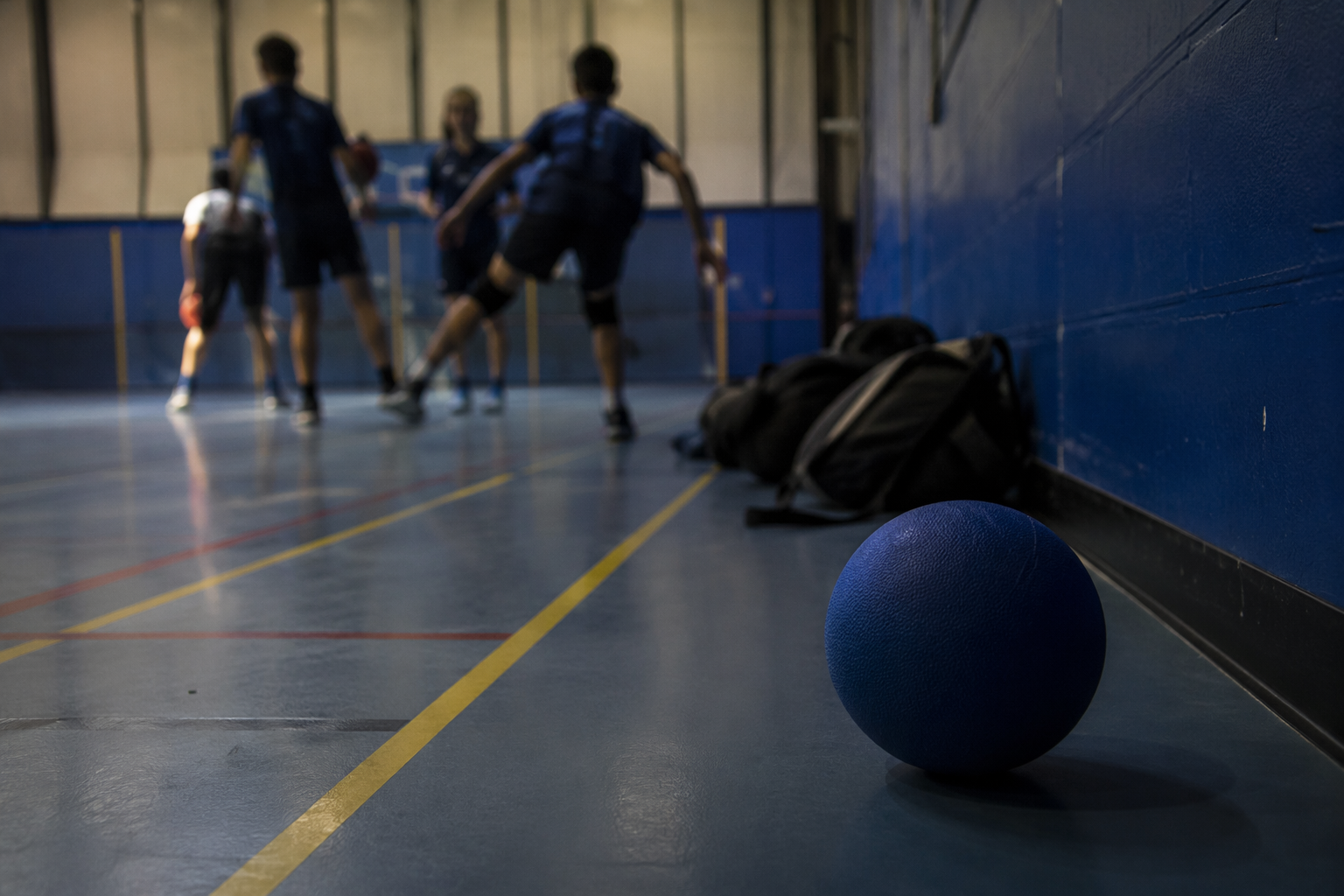
That design gives teachers more control over pace and behaviour. The set clock is short, the squad is capped at 10, and the movement of players and balls is regulated so the lesson does not dissolve into chaos. In practical PE terms, that means more touches, fewer long pauses, and a cleaner environment for teaching timing, accuracy, and reaction.
Why the school game feels inclusive from day one
The insistence on six on court, including at least two girls, shapes who gets onto the floor and when. In a mixed primary setting, that requirement stops the game from being dominated by a narrow group of the most confident throwers and makes participation part of the structure rather than a hope. The result is a format that asks every squad to think about balance, rotation, and involvement before the first whistle even blows.
That same logic helps explain why the school version often works better for beginners than a more formal adult-style contest. The game is still dodgeball, but the rules are simplified to reward basic game sense: move quickly, read the throw, support teammates, and keep the ball live. Children learn the competitive logic through short sets and repeat opportunities, which is far less intimidating than a long, winner-takes-all match.
The sport’s place in schools also fits wider curriculum aims. England’s national curriculum for PE, published in September 2013, says high-quality physical education should help pupils become physically confident, support health and fitness, and build character through competition, fairness, and respect. Dodgeball’s primary rules sit neatly inside that brief because they turn competition into something structured and manageable rather than purely confrontational.
Why dodgeball has staying power in schools
Your School Games first included dodgeball in 2014, and it now says more than 35,000 pupils take part in inter-school dodgeball events each year. That scale tells its own story: the sport is not a fringe activity, but a regular part of school competition across the country. Another School Games resource describes dodgeball as the second most popular sport behind football among primary children in the UK, citing OFSTED, which helps explain why schools keep returning to it.

The appeal is practical as much as cultural. School dodgeball blends hand-eye coordination, teamwork, and decision-making into short bursts that suit younger children’s attention spans. School Games materials also frame it as safe, fun, and helpful for communication skills and self-esteem, especially for pupils who may not usually get as much competitive game time in other sports.
The debate around dodgeball in education has never disappeared. Critics have questioned whether it can encourage bullying or target weaker students, while supporters point to teamwork and fitness. British Dodgeball’s answer is not to abandon the sport, but to shape it carefully through short sets, mandatory ball retrievers, mixed participation rules, and coached delivery so that the lesson stays controlled and welcoming.
The pathway from school lesson to formal competition
British Dodgeball’s status gives the school game a line of sight into the wider sport. The organisation is recognised as the national governing body for dodgeball in Great Britain and Northern Ireland by the World Dodgeball Federation and the European Dodgeball Federation, which means the school rules sit inside a larger competitive system rather than a one-off PE exercise.
That pathway shows up in the championship structure. Primary school county championships, regional championships, and national championships each cost £70 per team to enter, and girls’ events begin at the regional round. The top teams then qualify for the Primary Girls Finals at Kettering Arena on 19 May 2026, giving schools a clear progression from local competition to a national stage.
The school format matters because it prepares children for that larger ladder without overwhelming them on the way in. A 10-player squad, six two-minute sets, simple scoring, and clear supervision rules give the youngest players enough structure to understand competition early. By the time they move toward county, regional, and national events, the basic rhythm of the sport already feels familiar, and that is exactly what makes the primary version so effective.