Brooklyn FC builds matchday identity at Maimonides Park

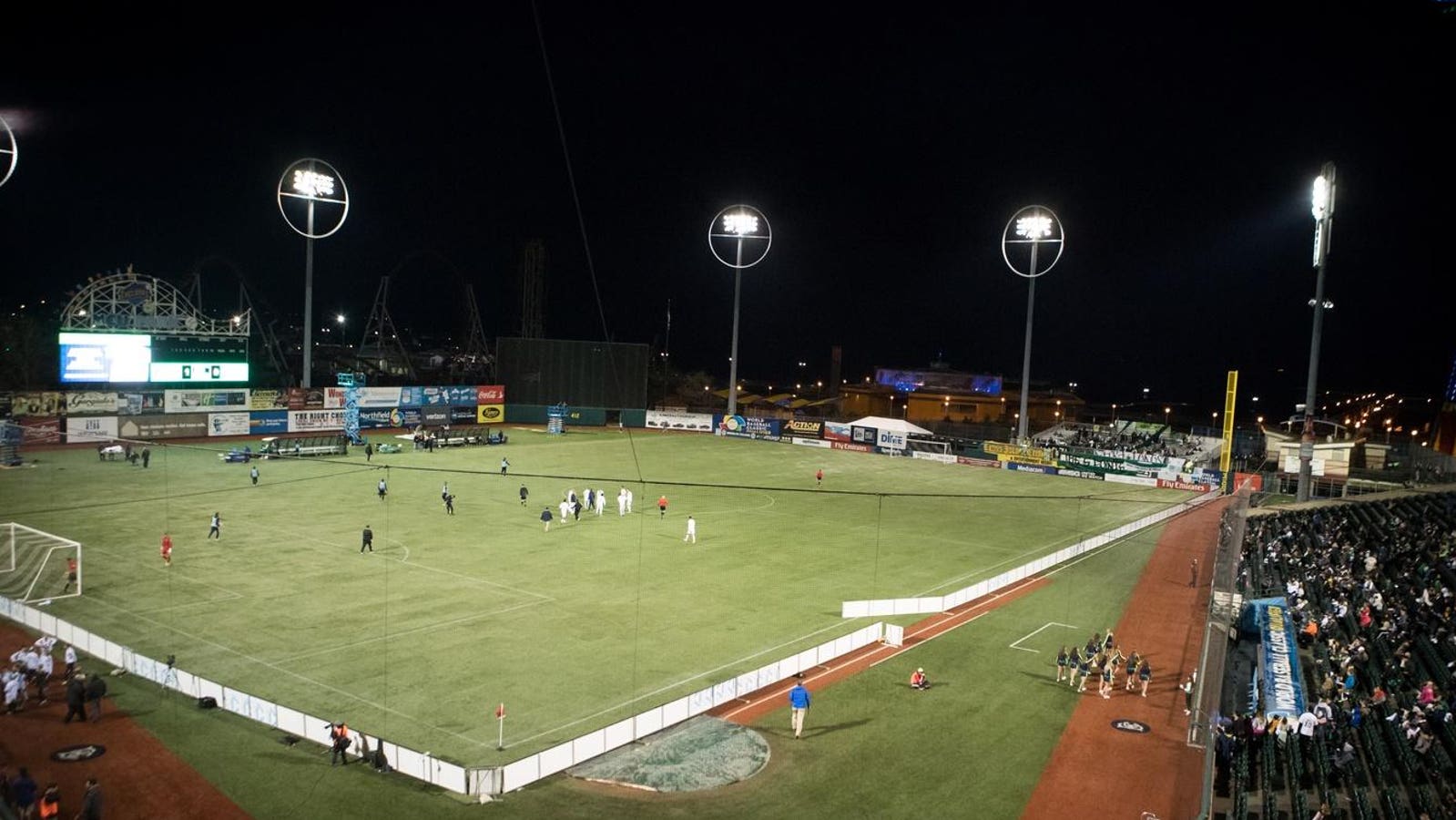
Maimonides Park gives Brooklyn FC something most expansion clubs spend years chasing, a place with a mood before the first whistle. The 7,000-seat ballpark opened in June 2001 as KeySpan Park, was built with $39 million from the City of New York, and was designed to echo Ebbets Field and old Coney Island. Now Brooklyn FC is trying to turn that history, plus the ocean, the boardwalk and the Parachute Jump, into a home-field identity that feels native to the borough.
A ballpark with a borough memory
The setting matters because Maimonides Park is not a blank canvas. It sits on Surf Avenue between West 16th and 19th Streets in Coney Island, and its official park history describes a building meant to recreate the intimacy of Ebbets Field while evoking the old amusement-ground feel of the neighborhood. The beach is visible over the right-field fence, which is exactly the kind of detail that changes how a night out feels before anyone has touched the ball.
That backdrop already came with a sports identity. The park has long been home to the Brooklyn Cyclones, and its place in the city runs beyond baseball. Brooklyn FC is stepping into a venue that has hosted community gatherings, concerts and neighborhood events, so the club is not introducing the site to Brooklyn, it is asking soccer to join an existing social calendar.
The landmark nearby does a lot of the heavy lifting. The Parachute Jump, a 250-foot former amusement ride near Steeplechase Plaza, is one of the most recognizable silhouettes in American sports. A stadium can try to manufacture atmosphere with lighting rigs and playlist clichés, but Coney Island already supplies a skyline shot that feels like a postcard with motion.
What Brooklyn FC is selling on matchday

Brooklyn FC’s own venue language tells you what the club thinks it has. The matchday pitch leans on ocean views, a vibrant boardwalk backdrop and the idea that the atmosphere is unlike other soccer venues. That is not a throwaway line in a market full of options. It is the club’s attempt to give fans a reason to identify with the place as much as the team.
The club is also framing the ballpark as part of the borough’s rhythm rather than a separate destination. That means folding soccer into the same seasonal cadence that already defines Coney Island, from summer foot traffic to civic programming and community events. A borrowed venue can feel temporary if it only changes when a team is in town; Brooklyn FC is trying to make the building feel like it belongs to the club every time the gates open.
The sensory appeal is the point. Fans walk into a ballpark that looks toward the Atlantic Ocean, sits beside the boardwalk and carries the visual weight of one of New York’s most distinctive neighborhoods. That is a stronger brand asset than a neutral suburban stadium because it gives the club a place story before it ever asks supporters to buy into tactics, table position or a transfer window.
The 2026 home slate gives the identity room to breathe
Brooklyn FC’s men’s team is using Maimonides Park for its inaugural USL Championship season in 2026, and the schedule gives the club 17 home dates to work with. That includes 15 regular-season home matches and two home matches in the Prinx Tires USL Cup, which is enough inventory to build habits, rituals and repeat visits if the club keeps the presentation consistent.
The first men’s USL Championship home match arrived on March 8, 2026, against Indy Eleven, a useful marker because identity is easier to see when a club first opens its doors. The June 20 home match against Tampa Bay Rowdies was promoted as a Father’s Day weekend event with World Cup energy on the Coney Island boardwalk, which shows how Brooklyn FC is linking soccer to the city’s seasonal pulse rather than staging it as a standalone product.
That kind of calendar thinking matters. If the club can keep tying matches to recognizable dates, neighborhood traffic and the boardwalk experience, it gives supporters a reason to come back beyond results. Winning still matters, but in a market this crowded, a distinctive night out can become part of the competitive edge.
Why this model could stick
Brooklyn FC’s approach is smart because it understands that fans do not only buy records, they buy memory. Maimonides Park opened in 2001, has a listed capacity of 7,000 seats in USL Championship materials and was designed with Brooklyn nostalgia baked in. That means the club is not trying to create identity from scratch, it is borrowing from a setting that already carries one.
The harder question is whether the model can be copied elsewhere. The answer is yes, but only in pieces. Not every club has Coney Island, the boardwalk, the beach line and the Parachute Jump in the same frame, and that is exactly why Brooklyn FC’s setup stands out. What can travel is the principle: make the venue feel inseparable from the neighborhood, keep the matchday language specific to the place, and turn the building into part of the club’s story instead of a neutral address.
Brooklyn FC’s early messaging around being part of Brooklyn soccer history fits that logic. Marlon LeBlanc’s first home opener on March 8 was already framed around the community, and the club is clearly building from the idea that this team belongs to the borough as much as it belongs to the league. If that holds, Maimonides Park will not just host soccer in Brooklyn. It will help define what Brooklyn FC is supposed to feel like every time it walks out of the tunnel.