Bruno Fernandes Shines for Manchester United, But Contract Extension Raises Complex Questions
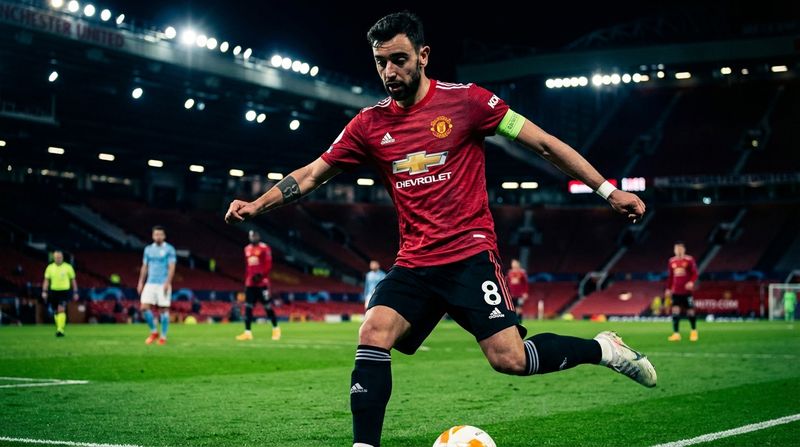
Bruno Fernandes has delivered one of his most impactful seasons for Manchester United, cementing his status as the club’s MVP at age 31. The Portuguese midfielder’s influence on the pitch has been undeniable—his playmaking, leadership, and consistent performance have powered United through a turbulent campaign, making the prospect of a contract extension seem like an easy decision.
Yet, despite Fernandes’ crucial role, the discussion around his future at Old Trafford is more nuanced than it appears. Drawing parallels to Liverpool’s handling of Mohamed Salah’s contract, experts and club insiders suggest that Manchester United must weigh short-term gains against long-term planning, particularly when dealing with aging stars.
- Fernandes has created more chances than any other United player this season, leading the team in assists and key passes.
- At 31, he remains durable, featuring in nearly every league fixture and captaining the side in crucial matches.
- His leadership has been praised for steadying the locker room during managerial changes and injury crises.
However, contract extensions for high-performing veterans come with risks. Liverpool’s recent experience with Salah, who signed a lucrative deal at a similar age, has sparked debate about the sustainability of such moves. As ESPN Soccer notes, the club’s performance began to plateau, and the financial commitment limited flexibility in squad rebuilding. United faces a similar dilemma: extending Fernandes may reward loyalty and excellence now, but could hinder future investments and introduce wage structure challenges.
The market value of players in their early 30s is also a concern. While Fernandes shows no sign of slowing down, football’s physical demands mean performance can decline rapidly. United must consider whether investing heavily in a new contract aligns with their broader strategy to rejuvenate the squad and compete at the highest level.
Fans and analysts remain divided. Some argue that Fernandes’ unique skillset and leadership justify the risk, citing his unmatched creative output and work rate. Others point to Salah’s situation at Liverpool as a cautionary tale, advocating for a more measured approach. The debate underscores the complexity of modern football management, where sentimental choices often clash with financial prudence and strategic foresight.
As Manchester United evaluate their options, the club’s next move on Fernandes will signal how they balance immediate success with long-term stability. The midfielder’s future, and United’s, hangs in the balance amid competing priorities and lessons learned from their Premier League rivals.
Sources
- [1]ESPN Soccer