CART’s Remarkable Season: Triumph and Tragedy That Changed the Sport
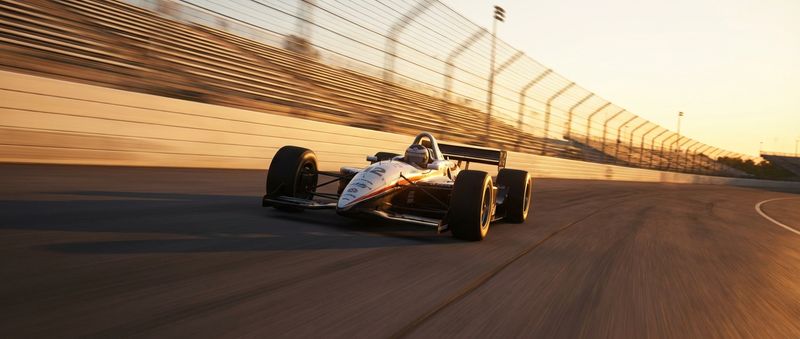
The 1996 CART (Championship Auto Racing Teams) season is often remembered for its electrifying racing and fierce competition, but its legacy is forever intertwined with tragedy that altered the course of American open-wheel racing.
The year began with optimism and excitement. Teams and drivers brought their best to the track, eager to make their mark in a series that had grown in stature and popularity. CART was renowned for its mix of international talent, legendary circuits, and technical innovation. The opening rounds showcased spirited duels, with drivers pushing the limits and captivating audiences across North America.
- Races featured dramatic lead changes and tight finishes
- The series attracted stars from around the globe, raising its profile
- Technical advancements provided both speed and unpredictability
As the season soared, the level of competition reached new heights. Drivers like Alex Zanardi and Michael Andretti delivered memorable performances, while teams battled for supremacy on both street circuits and ovals.
CART’s growing fanbase reflected its appeal, with television ratings climbing and attendance at iconic venues such as Long Beach and Milwaukee swelling. The championship narrative was captivating, as close points battles kept fans engaged from race to race.
However, the mood shifted dramatically when tragedy struck. A fatal accident cast a shadow over the paddock, reminding everyone of the inherent risks of motorsport. The loss was felt deeply throughout the community, prompting renewed discussions about driver safety and circuit standards.
The aftermath saw both grief and resolve. Teams, officials, and drivers worked together to implement changes aimed at reducing risk, including modifications to car design and race procedures. The incident became a catalyst for ongoing safety improvements, shaping the future of the sport in ways that endure to this day.
The 1996 CART season is thus remembered for its highs and lows—an era of vibrant competition and painful loss. Its legacy continues to influence American open-wheel racing, underscoring the sport’s commitment to progress and the enduring spirit of its competitors.
Sources
- [1]Autosport