Central Region women’s dodgeball grows beyond Ohio and Michigan
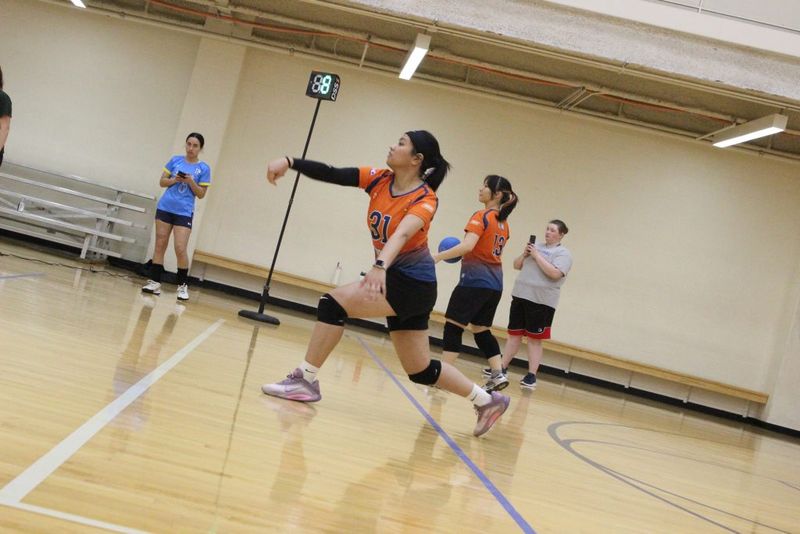
The Central Region is no longer a two-school outpost. University of Illinois-Urbana Champaign, University of Wisconsin-Platteville, and University of Nebraska-Lincoln now give women’s collegiate dodgeball three official programs in the middle of the map, a meaningful shift in a league long shaped by Michigan State University and the University of Akron.
A region finally building real depth
The clearest sign of progress is not just that UNL has joined the fold, but that the region now has enough structure to imagine staying power. The National Collegiate Dodgeball Association says three more schools still have a chance to form women’s teams and enter the league, which matters because competitive balance depends on more than one strong season. With only a handful of teams, every roster decision and every graduation class changes the bracket; with a third official Central Region program now on the board, the scheduling calendar starts to look more like a circuit than a series of isolated matchups.
That matters for recruiting, too. Players can point to a region that is no longer defined only by the Ohio and Michigan corridor, and programs can sell a clearer path to regular competition without long travel just to find a women’s opponent. The season recap also names a deeper player pool, including Allie Pohl, Ava Stack, Kate Douglas, Avery Weathers, Arik Kavanagh, Cory Heitmann, Helena Bunte, Elly Schipfer, Anna Moellenbeck, Skye Marvin and Ty Keller, a reminder that the women’s side is developing a wider base of recognizable names as the region expands.
UIUC showed what a small roster can still do
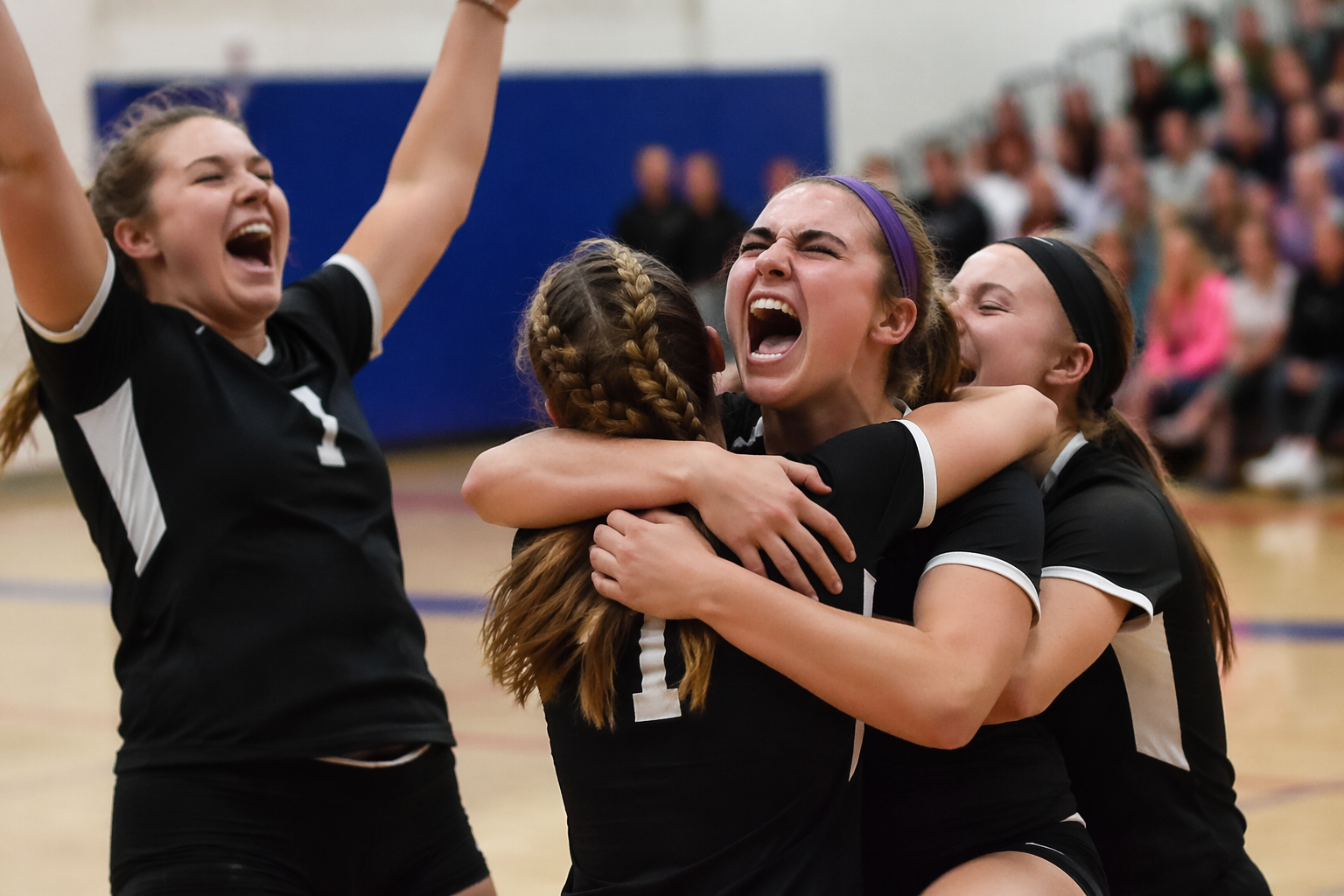
UIUC remains the program that helped get the women’s side moving in the Central Region, first appearing in the first-ever women’s national tournament. That history now looks even more important because the team is still setting a standard while the region widens around it. In this season’s Central Region recap, UIUC is praised for fielding a four-player group with distinct strengths, a lean lineup that still found ways to matter against deeper opposition.
The results were competitive rather than flashy, and that is part of the point. UIUC finished with two wins in three matches against UWP and then took another step up in difficulty at the Women’s Spartan Smackdown, where the team faced stronger opposition before nationals. By the time it reached the third annual women’s national tournament, UIUC traveled with two veterans and two rookies, a balance that says as much about future continuity as it does about present form. The recap makes clear that UIUC did not win every game, but it stayed in points with careful play and defense, the kind of disciplined approach that can keep a small roster alive against bigger and more experienced teams.
That style also hints at how the Central Region may grow. When a young women’s team can survive by structure rather than sheer numbers, it lowers the barrier for new schools that do not yet have the luxury of a large roster. UIUC is showing that the path into the league does not have to start with volume alone.
UWP’s roster churn still left a foundation
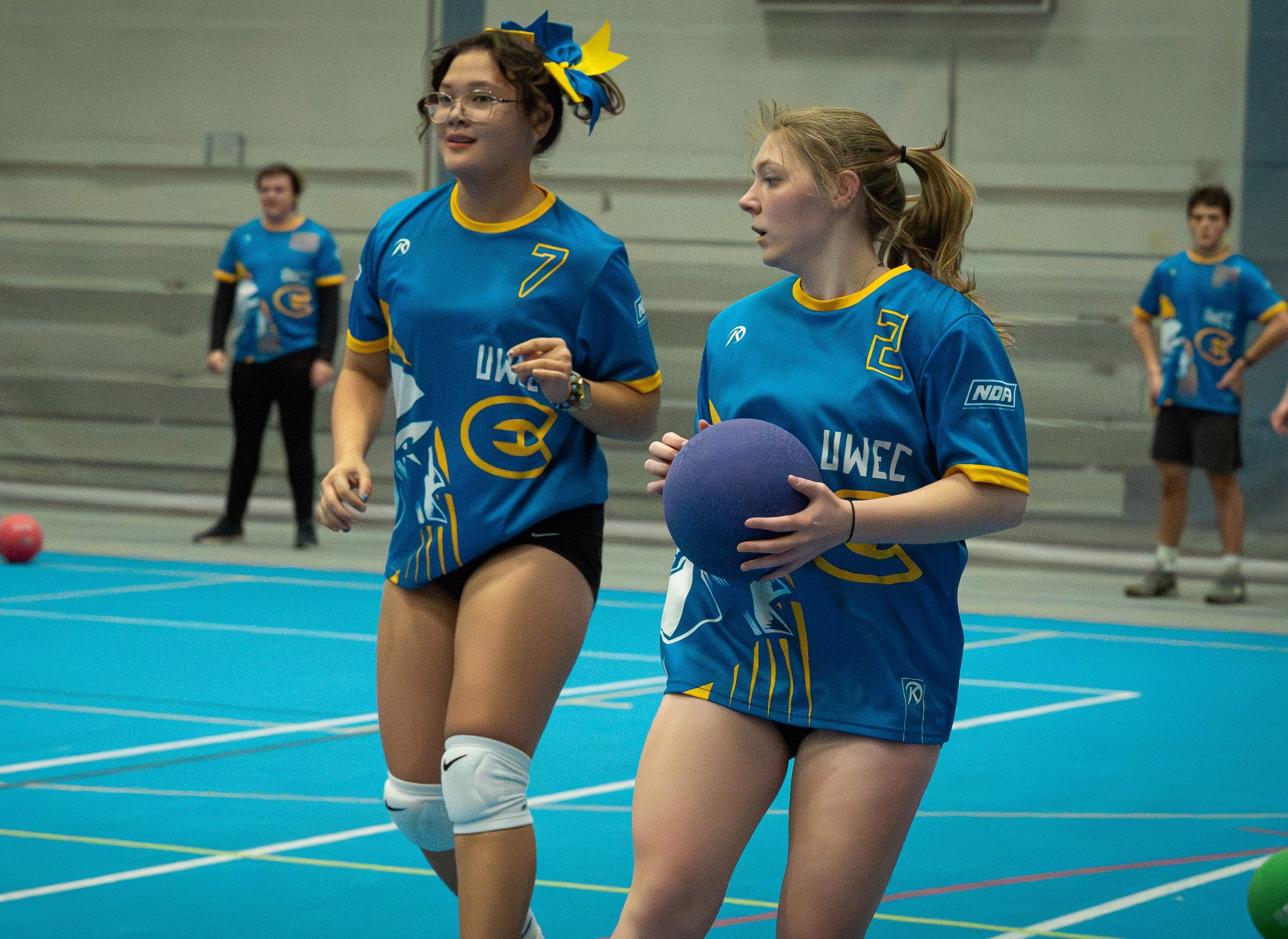
If UIUC represents continuity, UWP represents resilience. The program lost some players after the previous season, yet it still recruited enough to field eight women in open matches early in the year before dropping to six by nationals. In a sport where roster attrition can wipe out momentum quickly, that kind of participation matters almost as much as wins and losses.
The season recap treats UWP as a strong advocate for the women’s league, and that role may end up being as valuable as any single result. The team’s veterans are expected to help rebuild for next season, which is exactly the sort of commitment a young regional scene needs if it is going to move from novelty to routine. Schools do not sustain women’s dodgeball by accident; they do it when returning players stick around long enough to mentor the next wave and keep the weekly practice schedule alive.
UWP’s season also shows why the Central Region’s growth should not be mistaken for a finished product. Eight women early in the year and six by nationals is enough to compete, but not enough to absorb much more attrition. The upside is that the program still held together, still traveled, and still helped drive a women’s field that now has enough established participants to make every returner count.
The bigger national picture makes the regional gains matter more
The Central Region’s rise sits inside a much longer league story. The National Collegiate Dodgeball Association traces its roots to late April 2005, when it was formed as the Midwest Dodgeball Conference with five founding member teams. It held its first collegiate nationals on April 9 and 10, 2005 at Michigan State, and that Midwestern origin still shapes where the strongest women’s programs have lived. Michigan State and Akron remain the standard-bearers, and Akron won the women’s championship again in 2026.
That same 2026 women’s nationals in Akron, Ohio gave the scale benchmark this sport has been waiting for: 58 players from 9 schools formed 8 teams in the third annual women’s national dodgeball tournament. The Women’s Spartan Smackdown at Michigan State on January 31, 2026 was the last major women’s event before nationals, and it showed that more schools can now field secondary squads and still create meaningful competition. That depth is still thin by major college-sport standards, but it is real, and it is spreading.
There is also a culture taking shape around it. A 2022 women’s post from the NCDA notes that Akron players coined the term “dodgettes,” a small but telling sign that the women’s game has developed its own language inside a sport that once revolved almost entirely around the men’s bracket. Put that together with UIUC’s early role, UWP’s persistence, and UNL’s arrival, and the Central Region looks less like a footnote and more like the next organizing center for women’s collegiate dodgeball. The next season will not just test who wins, but whether the sport can keep turning those three Central Region teams into a stable, traveling league.