Cincinnati’s transfer tradition shows why NJCAA talent matters now

Oscar Robertson, the 6-5, 205-pound guard NCAA.com profiled on March 9, 2022, helped drive Cincinnati to a 79-9 run and two straight NCAA Final Fours. Cincinnati did not wait for roster purity to win. Long before the portal turned college basketball into a speed market, the Bearcats were blending high school recruits with experienced additions.
Cincinnati’s roster habit was built for this era
Cincinnati’s roster-building was never just about signing the highest-rated prep class and waiting. Experienced players have long been part of Cincinnati’s formula, added alongside high school recruits to give a team something more stable than promise alone. That older model looks a lot like the best version of today’s portal strategy: fill the obvious holes, add maturity, and do not pretend development will solve everything by November.
The current transfer conversation fits Cincinnati well. Transfer movement is no longer a secondary piece of college basketball construction, it is one of the main ways teams are assembled. Programs with real expectations cannot afford to build around patience alone, because the schedule does not wait for a four-year curve.
Oscar Robertson is the clearest reminder of what one elite piece can do

Robertson remains the program’s clearest reference point. Cincinnati has always understood how a single piece can accelerate the whole operation when it fits the roster and the role is clear. In the portal era, that same logic applies to a guard who can run a team, a wing who can defend older competition, or a frontcourt player who can survive in the paint on day one.
Why NJCAA players still sit inside the most useful part of the transfer market
NJCAA players bring two full years of college experience, and that changes the evaluation. A coach is not projecting a teenager from a summer showcase, he is watching a player who has already lived through college practices, college travel, and college physicality. That matters when a staff is trying to judge who can handle contact, who can process coverages, and who will not get sped up the first time a game turns ugly.
The junior-college route also offers something that still has value in a crowded portal market: evidence. NJCAA production comes against college competition, so there is a real track record to study instead of a stack of workouts and recruiting hype. That old pipeline still feeds rosters today for teams that need maturity and toughness without waiting for them to appear.
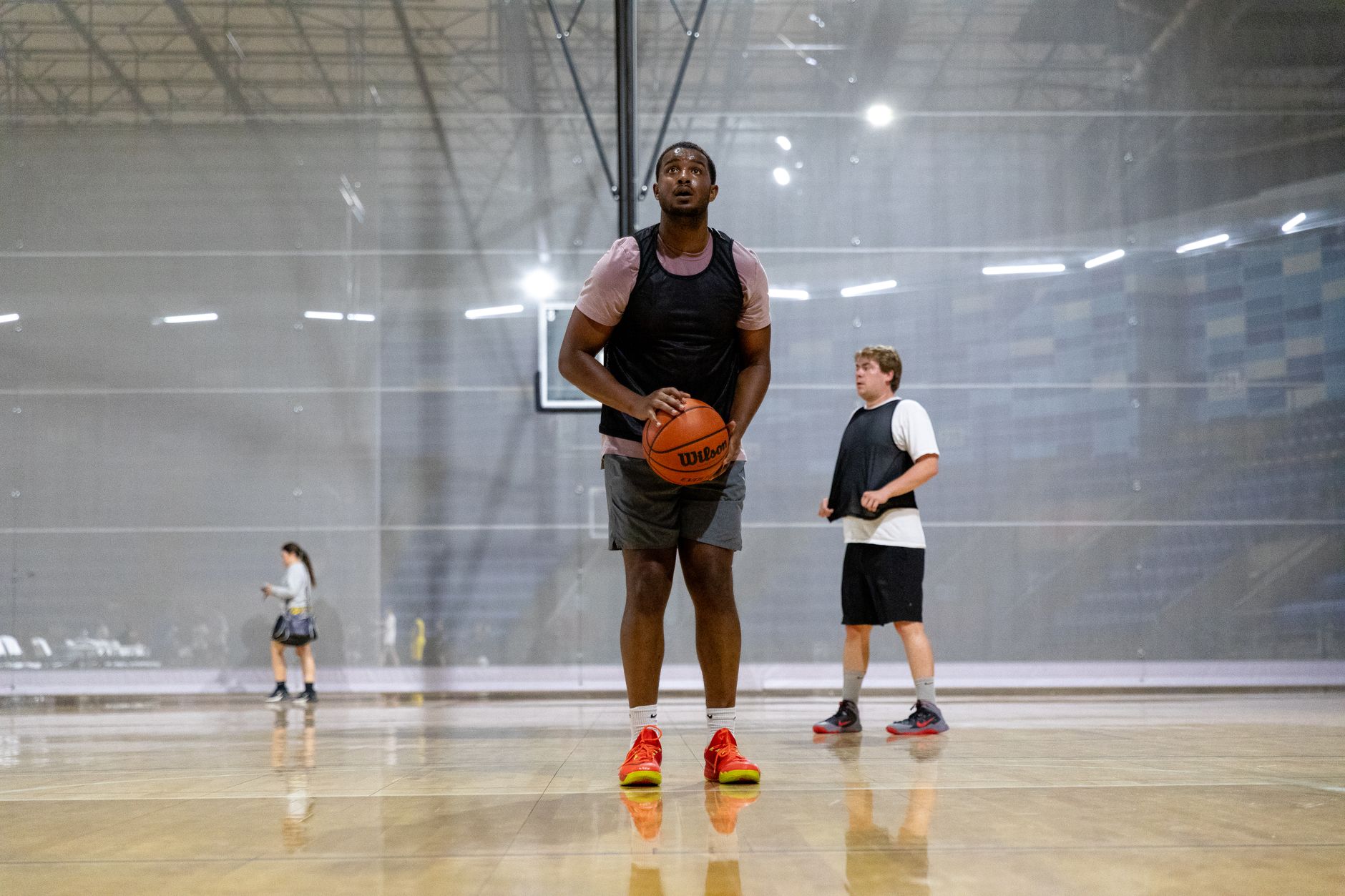
The modern roster question is not whether to use transfers, but how to use them well
Cincinnati’s history cuts through the nostalgia. The best rosters are still built from a mix of returners, freshmen, and transfers who can plug specific needs, and that is true whether the incoming player comes from an NJCAA program or another Division I stop. What has changed is the speed and volume of roster churn, which means coaches have to make sharper decisions with less time and less certainty.
That is especially true in the summer roster-construction window, when staffs are still sorting out size, scoring, and experience. A program like Cincinnati cannot simply hope a recruiting class matures into a winner, because the expectation level is too high and the margin for a slow start is too small. The Bearcats’ old habit of adding experienced help now reads like a blueprint for the present: identify what the roster lacks, then find a player who has already lived the game at the college level.
Sources
- [1]cincinnati.com
- [2]ncaa.com
- [3]nba.com
- [4]hoophall.com
- [5]magazine.uc.edu
- [6]gobearcats.com