Circle City Wiffle ranks players by heat risk in brutal forecast
Myc Witty’s 13-strikeout complete game and 0.44 ERA did not keep him off Circle City Wiffle’s June 30 heat-risk list, where 94-degree air and a heat index flirting with 105 turned Wednesday Night Wiffle Ball into a test of survival as much as skill. Alex Gurtcheff landed next because his history of overheating and dehydration made the forecast more dangerous.
A May 27 investigation examined why Wednesday nights kept getting hit by bad weather. By June 29, Jorf Porsson’s Week 6 rankings showed the season had already been reshaped by rain on Wednesdays, no rain on Thursdays and even three straight complete-game shutouts, while the Short Shorts sat at 8-2 with a plus-37 run differential and an average margin of nearly four runs per game. The league allows one start or five innings max per pitcher against a given opponent.
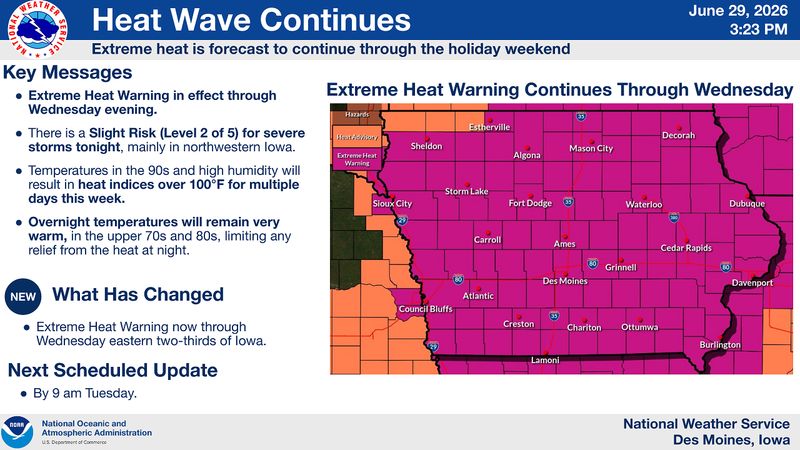
The National Weather Service defines the heat index as the combination of temperature and humidity that shows how hot it really feels, and its excessive-heat guidance commonly uses 105 or higher for at least two days as the warning line, especially when nights stay above 75 degrees. On July 4, Heat.gov put high temperatures of 95 to 105 degrees paired with high humidity in the range that can push peak heat indices into the 100 to 115 range, creating major to extreme heat risk.

The CDC advises that people who exercise on hot days are more likely to become dehydrated and suffer heat-related illness, and to stop activity and get to a cool place if a player feels faint or weak. It also lists muscle cramping, heavy sweating, dizziness, headaches, weakness and nausea as warning signs.
Sources
- [1]circlecitywiffleball.com
- [2]weather.gov
- [3]cdc.gov
- [4]heat.gov