Class of 2026 flag football recruits eye NCAA championship future
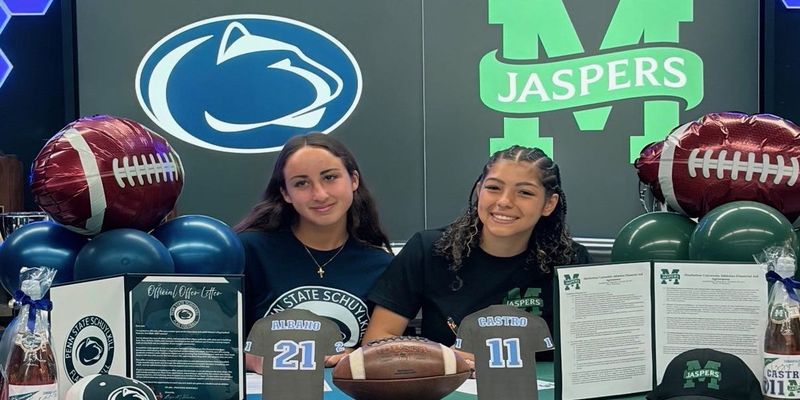
The Class of 2026 is stepping into flag football at the exact moment the sport is moving from promise to structure. NCAA women’s flag football now sits inside the Emerging Sports for Women program, but the recruiting path is still uneven, with varsity rosters, scholarship money, and college timelines all taking shape at the same time.
The sport is growing faster than its college frame
The biggest numbers tell the story. The NCAA added women’s flag football to its Emerging Sports for Women program on January 16, 2026, after a recommendation approved at the 2026 NCAA Convention in the Washington, D.C., area. To reach championship status, the sport must clear a minimum of 40 varsity-sponsoring schools and meet contest and participation requirements, so the race is not just about popularity. It is about building enough of a competitive structure to support a national title.
That structure is still early. When the NCAA recommended the sport in February 2025, it said at least 65 NCAA schools were already sponsoring women’s flag football at the club or varsity level, with more expected to join in 2026. That is real momentum, but it is also a reminder that the sport is still in its construction phase. The Class of 2026 is arriving before the blueprint is finished, which means players are helping define what college flag football becomes.
Why the Class of 2026 matters so much
USA Today High School Sports framed the Class of 2026 as the group on the front end of college flag football’s first serious recruiting wave. That timing matters because these athletes are not just choosing schools, they are helping establish the first standards for competition, roster building, and player development in women’s flag football.
The opportunity is obvious. Schools are beginning to add women’s flag football programs, and NCAA announcements in 2026 included new additions at Elizabethtown College and Daemen University. Each new varsity program creates another roster, another coaching staff, and another recruiting target. For athletes in the Class of 2026, that means the market is opening while it is still finding its shape, which creates more chances for early adopters and more uncertainty for everyone else.
The uncertainty is part of the deal. Scholarship levels are still being defined, roster sizes are not settled everywhere, and recruiting calendars are not as standardized as they are in established NCAA sports. For families, that means the right question is not simply where the offers are. It is which schools are moving fast enough to build a real program, not just a logo on a roster.
The NCAA path now runs through championship legislation
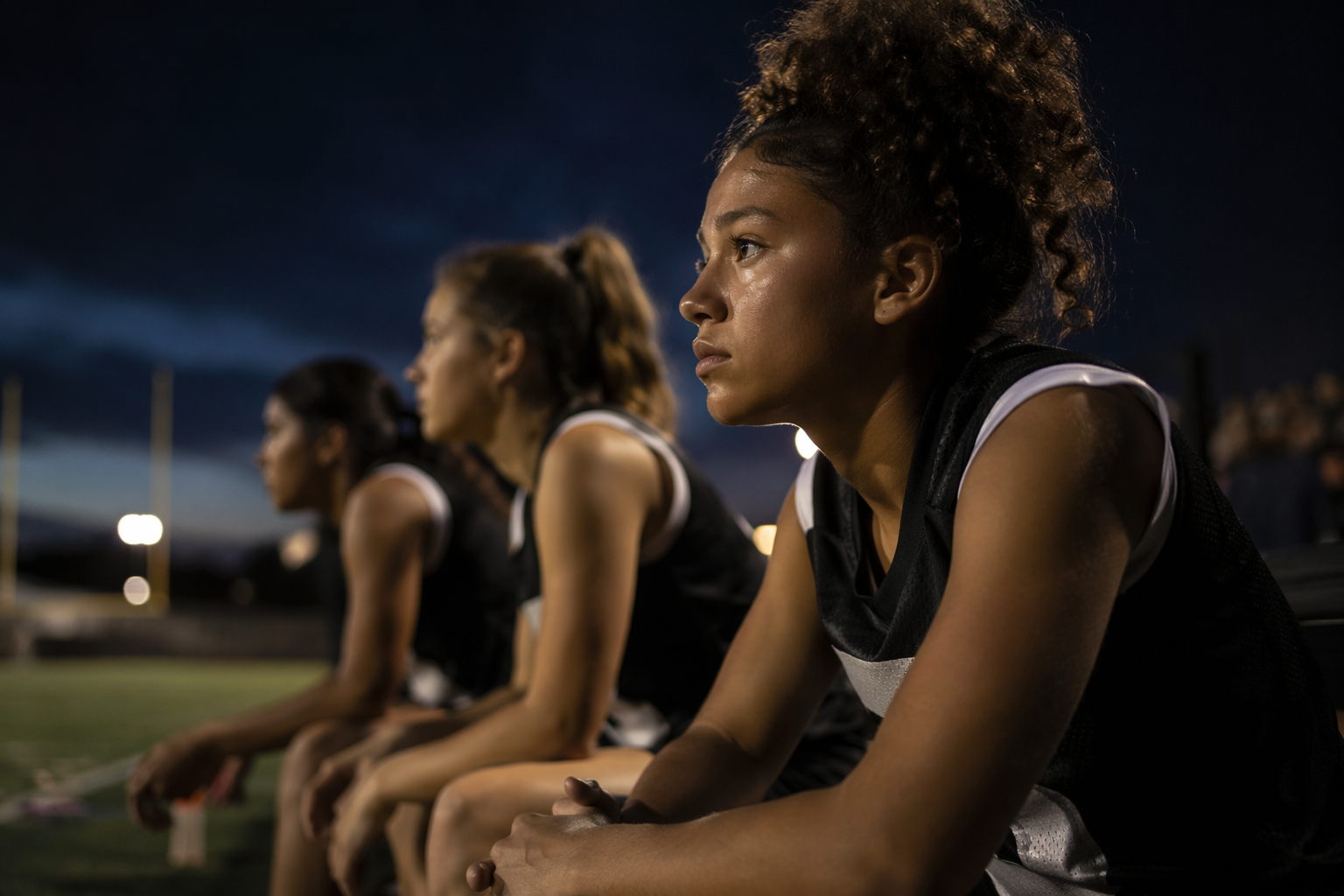
The next checkpoint arrived in May 2026, when the NCAA Committee on Access, Opportunity and Impact recommended that Divisions I, II and III sponsor legislation to create a National Collegiate Flag Football Championship. That recommendation matters because it signals the next phase of growth. Emerging sport status opens a door, but championship legislation is what gives the sport a true NCAA destination.
RCX Sports founder and CEO Izell Reese and USA Football CEO Scott Hallenbeck both described that move as a significant step toward full championship status. The sport also carries a larger spotlight because flag football is scheduled to make its Olympic debut at the 2028 Los Angeles Summer Olympics in California. That Olympic stage will only raise the stakes for college programs, because the NCAA pipeline and the international game are now moving in parallel.
For recruits, the practical takeaway is simple: the sport’s ceiling is rising, but the route to that ceiling is not finished. A player choosing a college right now is not entering a settled system. She is entering one that could look very different by the time her college career peaks.
High school numbers show how quickly the base is expanding
The high school game is exploding underneath all of this. The NFHS reported that high school sports participation hit an all-time high in 2024-25 at 8,260,891 participants, with record totals for both boys and girls. Girls flag football was one of the sports driving that growth, and the numbers show why college programs are watching so closely.
By June 2025, the NFHS said 16 state associations had sanctioned girls flag football, while 18 more states were running independent or pilot programs. Later, the NFHS said 17 state associations had sanctioned the sport, with six additional states voting in 2026. That pace matters because every sanctioning step produces more consistent schedules, better coaching, and more reliable evaluation for college recruiters.
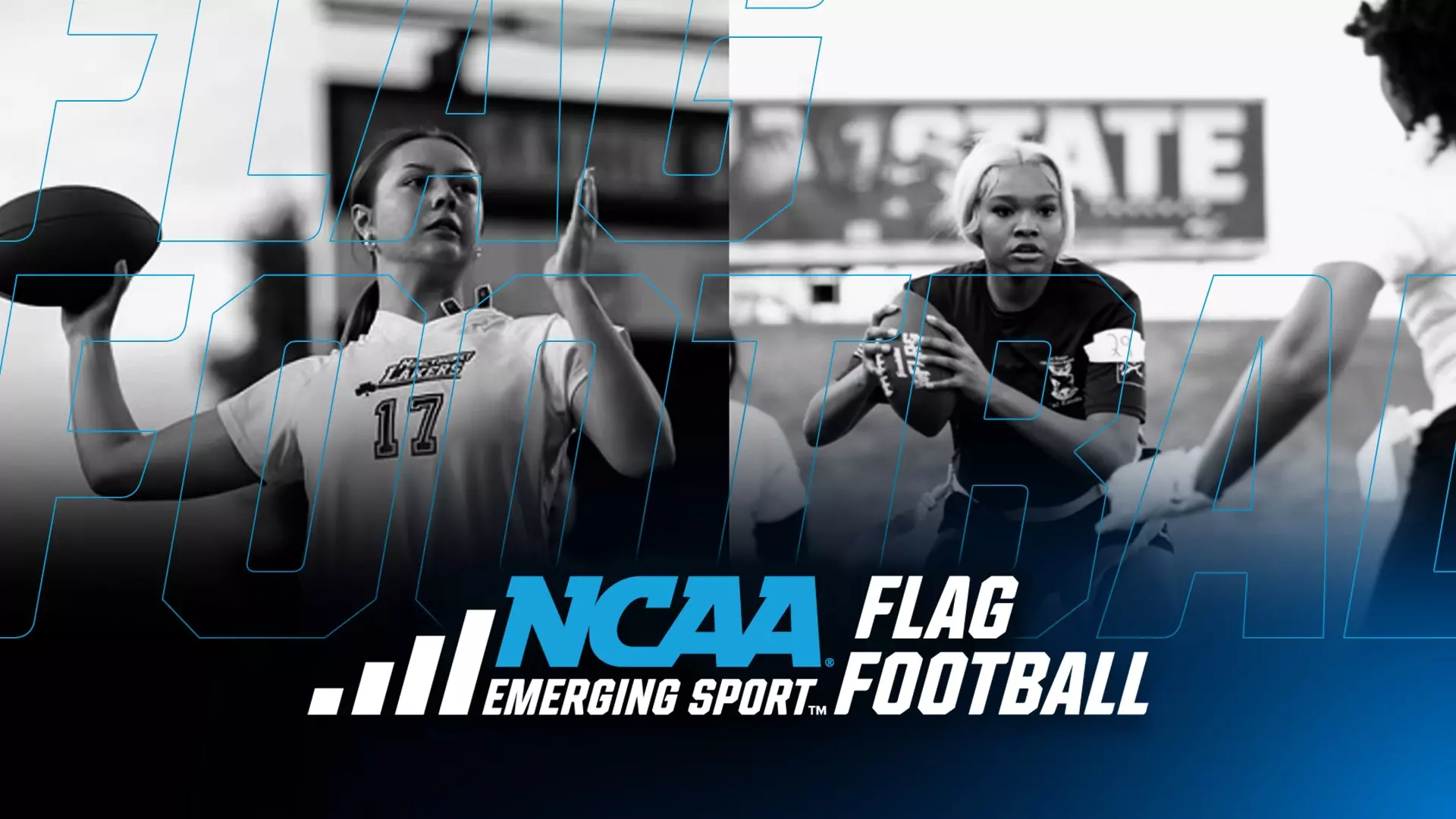
The NFHS also released its first national flag football rules book for the 2025-26 season. That may sound bureaucratic, but it is a major marker of maturity. A sport does not move from club feel to national recruiting seriousness without standardized rules, and the new book helps make games more comparable across state lines. For athletes, that means more than cleaner officiating. It means college coaches can scout with greater confidence, especially across states where the sport is still maturing.
What recruits and families have to navigate now
The central challenge for Class of 2026 athletes is not talent. The talent is clearly there, and the sport’s rapid rise proves it. The challenge is figuring out where that talent fits in a college system that is still deciding how big it wants to be.
The smartest path is to track three things closely: • Which schools are moving from club to varsity status. • Which NCAA divisions push championship legislation forward after the May 2026 recommendation. • How quickly state sanctioning expands, since a bigger high school base feeds a stronger recruiting pipeline.
That matters because the first wave of college flag football will reward players who understand timing as much as skill. The schools that already have programs, like Elizabethtown College and Daemen University, are building early infrastructure. The athletes who enter those rosters now are not just joining a team. They are becoming part of the first generation of a sport that is still writing its college identity.
The path to an NCAA championship is no longer hypothetical. The infrastructure around it is still catching up. That gap is where the Class of 2026 lives, and that is where the next real opportunity in women’s flag football is being created.
Sources
- [1]x.com
- [2]usatoday.com
- [3]ncaa.org
- [4]nfhs.org