Claude Lemieux’s Family Donates His Brain to CTE Research at Boston University
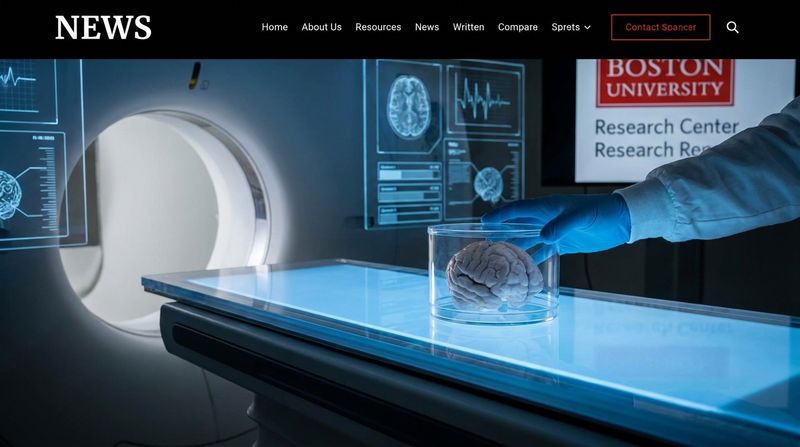
Claude Lemieux, one of the NHL’s most renowned enforcers and four-time Stanley Cup champion, will have his brain donated to the Boston University CTE Center to advance research on the long-term effects of repetitive brain injuries, according to an announcement from his family.
The decision, revealed on Saturday, places Lemieux among the growing number of former athletes whose families have chosen to support scientific study into chronic traumatic encephalopathy (CTE), a neurodegenerative disease linked to repeated head trauma. The Boston University CTE Center is recognized as a global leader in CTE and traumatic brain injury research, particularly among former athletes in contact sports such as hockey, football, and boxing.
Lemieux, who played over 1,200 NHL games and was known for his physical style and controversial play, ranks among the most memorable postseason performers in league history. His willingness to donate his brain for research underscores both the growing awareness of brain health risks in hockey and the increasing collaboration between the sports community and medical researchers.
- Boston University’s CTE Center has analyzed hundreds of brains from former athletes, helping to identify patterns and risk factors associated with repeated head impacts.
- CTE cannot be definitively diagnosed in living patients; donations such as Lemieux’s are critical for progress in understanding and eventually preventing the condition.
- Symptoms of CTE can include cognitive impairment, mood disorders, and behavioral changes, often surfacing years after a player’s career has ended.
The Lemieux family’s announcement places further attention on the NHL’s ongoing efforts to address player safety and concussion protocols. The league, like other major sports organizations, has faced scrutiny and legal challenges over its handling of head injuries and the long-term health of retired athletes. Research initiatives such as those at Boston University have been instrumental in shaping policy changes and increasing education about concussion risks.
Lemieux’s legacy includes not only his playoff heroics and physicality on the ice, but now also a contribution to the understanding of how sports-related brain injuries affect athletes later in life. The family’s commitment to science and transparency may encourage other former players and their families to consider similar donations.
Sources
- [1]ESPN NHL