Clemson's Tristan Smith Sues NCAA for Extra Year: Eligibility Battle Heats Up
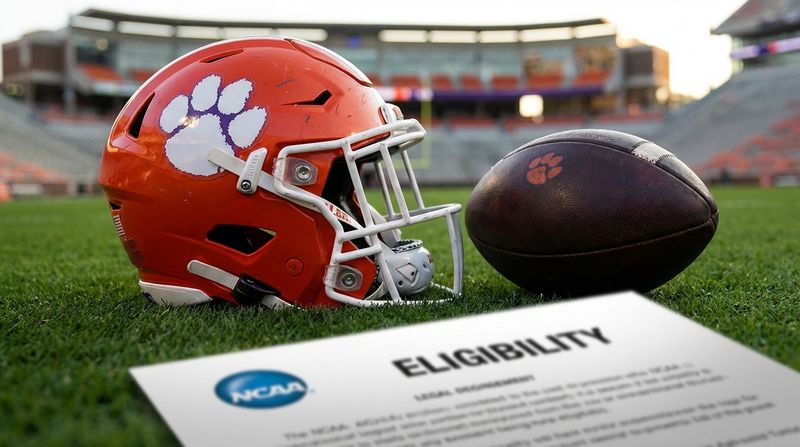
Clemson University wide receiver Tristan Smith has filed a lawsuit against the NCAA, seeking an extra year of college football eligibility. The move, confirmed in reports from both Greenville Online and On3, marks the latest chapter in the ongoing tension between college athletes’ career aspirations and the NCAA’s eligibility rules.
The Lawsuit: Tristan Smith Challenges NCAA Regulations
According to multiple reports, Smith’s lawsuit aims to secure permission to play an additional season for the Clemson Tigers. The legal action comes after his current eligibility status was set to expire, likely due to the typical five-year participation window and limits on redshirt seasons imposed by NCAA regulations.
- Smith has exhausted his standard eligibility period under NCAA rules.
- The lawsuit seeks an injunction allowing Smith to return for another season with Clemson.
- Details on the specific grounds for Smith’s claim have not been made public as of initial reporting.
Context: NCAA Eligibility Rules Under Scrutiny
The case comes amid increasing scrutiny of NCAA eligibility regulations, especially following pandemic-era waivers and broader legal challenges to the association’s governance. The NCAA generally limits athletes to four seasons of competition within five calendar years, but numerous exceptions have been granted in recent years, creating confusion and legal friction.
This lawsuit could test the NCAA’s flexibility regarding eligibility extensions and set a precedent for other athletes in similar situations.
Potential Implications for Clemson and College Sports
Smith’s legal action puts Clemson’s football program in the national spotlight. The outcome could impact not only Smith’s personal career trajectory but also how programs plan rosters around seniors facing eligibility expiration.
- If Smith prevails, he could return for another season and bolster Clemson’s receiving corps.
- A ruling in Smith’s favor might encourage other athletes across the nation to pursue similar legal strategies.
- The case highlights the increasing willingness of student-athletes to turn to the courts to challenge NCAA policies.
Looking Forward: What Happens Next?
As of now, no court date or official NCAA response has been reported. Smith’s suit adds to a growing list of legal battles over amateurism, athlete compensation, and eligibility in college sports. The outcome could carry significant ramifications for the NCAA’s regulatory authority and for student-athletes seeking extended careers.
Fans and analysts alike will be watching to see if the NCAA adapts its rules or if the judicial system compels a new approach to eligibility decisions. For Tristan Smith and Clemson, the months ahead will be pivotal in shaping not only individual futures but the broader landscape of college football.
Sources
- [1]greenvilleonline.com
- [2]On3