Club Lince in Chihuahua powers Mexico’s next racquetball champions
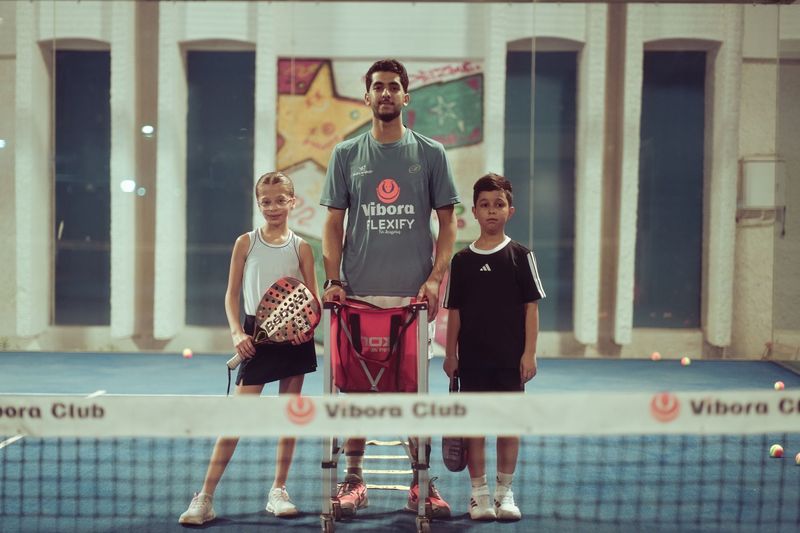
Club Lince is where Mexico’s racquetball pipeline keeps replenishing itself. Racquetball News TV used Episode 54, posted July 16, 2026, to step away from match recaps and focus on the kind of club infrastructure that actually keeps the sport moving. The Chihuahua club is presented not as a side note, but as a place that has already produced champions and still pushes new players forward.
A club that keeps producing
The episode frames Club Lince in Chihuahua, Mexico, as home base for Rodrigo Montoya, Javier Mar, Jaime Martell and many others. That list matters because it gives the club a clear competitive pedigree, not just a local reputation. When a club is repeatedly tied to players at that level, it stops looking like a simple recreational facility and starts looking like a talent factory.
The Spanish-language version pushes the same point with the same names, calling Club Lince the cradle of major champions and a place where passion for the sport continues. That bilingual repetition is part of the story too. Racquetball’s growth in Mexico is not being sold only in one lane or one audience segment, but across languages and through the same club identity.
What the day-to-day looks like at Lince Club
The club’s listed address is Mirador 4100, Chihuahua, Chih., Mexico. Public-facing information describes Lince Club as a family multisport club focused on overall well-being, positive values, personalized attention, and functional facilities. That description matches what development-minded clubs usually get right: they are not built around a single event, but around repeated access, routine, and consistency.
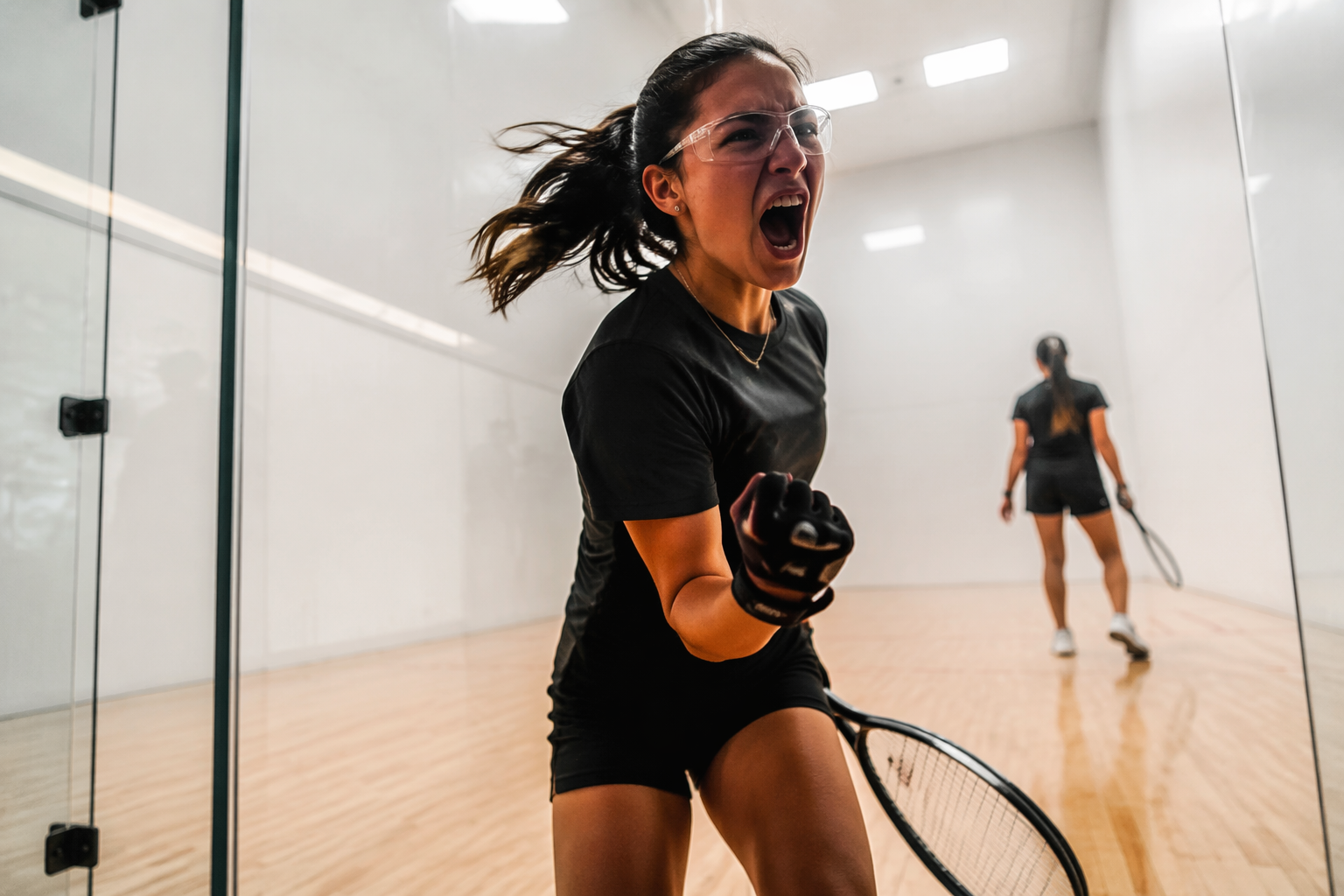
The racquetball schedule makes that structure visible. Adult sessions are listed Tuesday through Friday at 5:00 p.m., while children’s sessions run Tuesday through Friday at 4:00 p.m. Those are the kind of regular, repeatable windows that matter in a sport where progress comes from dozens of court hours, not just tournament weekends.
How the pipeline is kept alive
Episode 54 makes the offseason itself part of the development story. Instead of chasing a bracket or a scoreline, the program uses the quiet stretch in the calendar to show how racquetball survives between headline events through training, culture, and local commitment. In Club Lince’s case, that means dozens of children and young athletes training at the same club that produced established names.
That detail is the backbone of the club model. The champions give the next generation something concrete to aim at, while the junior sessions give them a place to start. In practical terms, the sport stays alive because the club is doing both jobs at once, preserving memory and building a next wave.
• a recognized champion base, anchored by Montoya, Mar, and Martell • consistent adult and youth instruction during the week • a family multisport environment that treats racquetball as part of regular club life • bilingual outreach through English and Spanish episode versions
The Spanish and English versions of the episode both reinforce that structure, and the audience size shows the scale of this kind of grassroots content. The English upload shows 18 views and 3 likes; the Spanish upload shows 11 views and 2 likes. Those are small numbers, but they fit the niche reality of racquetball media, where the audience is tight and the value lies in keeping local centers visible.

Why Mexico keeps showing up in the sport’s map
Club Lince’s role sits inside a bigger Mexican racquetball picture. The International Racquetball Federation lists the XXI World Racquetball Championships as having been held in San Luis Potosi, Mexico, in 2022. That confirms Mexico is not just developing players at the club level, but remains part of the sport’s international stage.
That matters for the pipeline. When a country can host a world championship and also point to clubs like Lince in Chihuahua, the system has depth. The headline events may come and go, but the off-season work at places like Club Lince is what turns occasional visibility into a durable competitive base.
The lesson from Chihuahua
Club Lince is being showcased for exactly the right reason: it shows racquetball’s future is built in ordinary weekly routines, not only in trophy photos. The club’s champion history, its youth schedule, its family-sport identity, and its cross-language reach all point to the same conclusion. Mexico’s next racquetball champions are not appearing by accident. They are being formed on a court schedule that never really stops.