CLUBWAKA makes adult kickball easy with free agents, small groups, teams
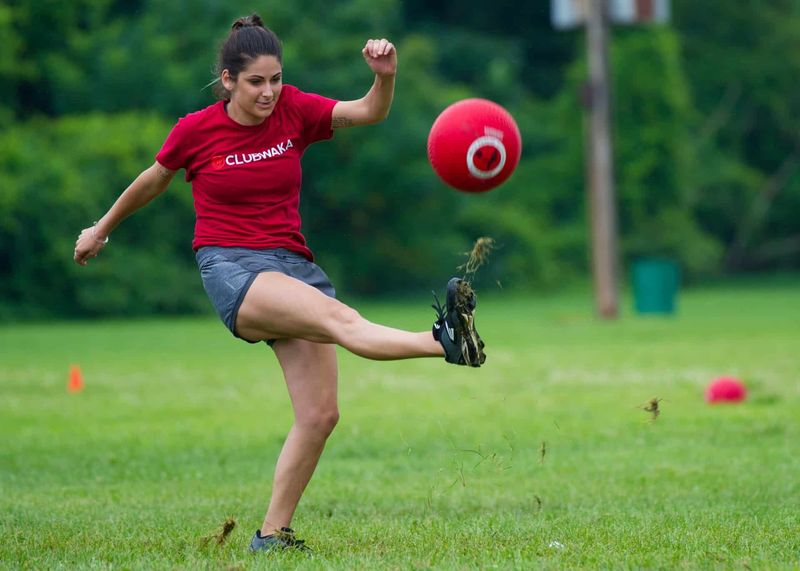
The first win in adult kickball happens before the opening pitch. CLUBWAKA has built its signup flow for the person who does not know anyone, has not played in years, and wants a team without having to assemble one from scratch. Its registration paths are simple, free agent for solo players, small group for friends who want to land together, and team for a full squad, with location pages spelling out that the league will place everyone.
How the first night becomes manageable
For a nervous first-timer, the appeal is not athletic mastery but frictionless entry. The Richmond page lays out the path in plain language: pick a league, join as a free agent, a small group, or a whole team, and let the league handle placement. CLUBWAKA also frames its offerings for adults 21 and older and describes the experience as friendly and co-ed, which signals that social ease matters as much as competition.
The onboarding path is easy to map:
- Choose a league and register as a free agent if you are showing up alone.
- Register as a small group if you want to stick with a few friends or coworkers.
- Bring a full team if you already have one and want to play together.
- Show up and let the league place players, so nobody is left sorting out a roster on their own.
That structure matters because it removes the two biggest hurdles adult leagues usually create: needing a full roster and needing to know the rules before you arrive. CLUBWAKA’s model does the opposite. It lowers the entry barrier first, then lets the social side of the sport do the rest.
What comes with a CLUBWAKA registration
The league’s value proposition is broader than a weekly match. CLUBWAKA says a typical registration includes weekly games plus playoffs, a team shirt for each player, planned parties, and weekly food and drink specials at the sponsor bar. That bundle turns kickball into a recurring night out with a uniform, a schedule, and a built-in after-game gathering spot.
That is also where the business model becomes clearer. The sport is being sold as an experience, not just an hour on the field. Players come for the game, but the recurring calendar, the shirt, the sponsor bar specials, and the planned parties give them reasons to return even when the final score is long forgotten.
The company leans into that social layer across its materials. CLUBWAKA promotes social after-parties, events, and the chance to make new friends, which means the league night is designed as a standing social appointment. For adults trying to rebuild a recreational life after school sports, college clubs, or old pickup-game circles fade away, that is often the difference between signing up once and coming back season after season.
Why the league feels communal, not formal
One of the most distinctive design choices is cross-team officiating. CLUBWAKA says that since its start in 1998, teams have been asked to provide one or two player referees for other games. That keeps the league from feeling like a distant, heavily policed competition and makes participation feel shared across the whole community.

The history behind the brand reinforces that point. CLUBWAKA says it was founded in 1998 as the World Kickball Association, also known as the World Adult Kickball Association, and now operates as part of WAKA Group, LLC. The league’s roots are not in elite sport; they are in making adult play accessible enough that ordinary players can enter, help officiate, and stay involved.
That communal structure is part of why kickball has remained durable in adult recreation. The game is simple enough that the emphasis shifts from perfect mechanics to repeat participation, shared rules, and the feeling that everyone in the league is contributing. The referee model is a small operational detail, but it says a lot about the culture: the league is not just something players attend, it is something they help run.
The social science behind repeat players
The broader research on adult group activity helps explain why this model works. A 2023 systematic review found that adult sport participation is associated with social support, sense of belonging, social networks, and social interaction. A separate 2023 study in the American Journal of Epidemiology found that physical activity can facilitate social interaction through social groups and can foster belonging and community membership.
Another study from 2021 and 2022 found that membership in a sport or exercise group predicted fewer depressive symptoms four years later and was linked to feeling less lonely. Put together, those findings help explain why adult kickball can outlast nostalgia. It offers low-stakes movement, but its bigger draw is the social routine that forms around it.
That is especially important for adults who are not chasing elite fitness or intense competition. CLUBWAKA’s model fits a broader cultural shift in recreational sports, where people want activity that is easy to join, socially legible, and repeatable. Kickball is a good fit because the game is familiar, the skill threshold is low, and the league design fills in the social gaps that keep many adults from showing up in the first place.
How kickball becomes a full calendar
CLUBWAKA does not stop at league play. Its events include bar crawls, tournaments, destination events, and vacations, which expands the sport into a wider social calendar. That matters in the adult recreation market because it gives players more than one reason to stay connected to the league between regular game nights.
A concrete example is WAKAPalooza Virginia Beach, which the company says returns on Saturday, September 12, 2026. That kind of event shows how adult kickball can scale from local roster to regional gathering, turning a one-night-a-week activity into a travel-worthy social network.
The significance is straightforward: CLUBWAKA has turned kickball into a system for belonging. Since 1998, its leagues have been built around easy entry, shared responsibility, and recurring social contact, and that combination is exactly why a player can go from arriving alone to feeling like part of a regular crew.