College Sports Faces Crisis of Governance as Solutions Go Unaddressed
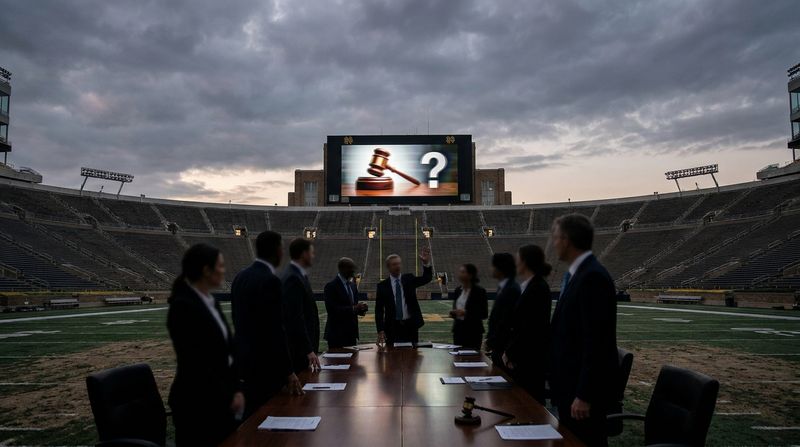
College sports in the United States is not fundamentally broken, but rather stands at a crossroads due to a persistent lack of governance—a reality that has left the system in a state of confusion and uncertainty. Despite widespread recognition of this problem, meaningful solutions are being overlooked by those in charge.
The landscape of college athletics has undergone dramatic changes in recent years, with the rapid rise of Name, Image, and Likeness (NIL) rights, the transfer portal, and legal challenges to the NCAA's authority. While these developments provide new opportunities and freedoms for student-athletes, they have also exposed the absence of a coherent, enforceable governing framework for the entire ecosystem.
- NIL deals have created a market-driven environment, but without consistent national standards, disparities between programs are widening.
- The transfer portal has increased athlete mobility, yet it’s led to accusations of "free agency" and instability within programs.
- Legal rulings have eroded the NCAA’s traditional power, but attempts to create a new regulatory body or system have stalled.
As USA Today argues, the issue is not that college sports is fundamentally dysfunctional—it is that the system is ungoverned. The vacuum of authority allows for confusion over rules, inconsistent enforcement, and a patchwork of state-level regulations that often conflict with each other and with the spirit of fair play.
Despite mounting evidence that the current approach is unsustainable, calls for reform continue to be ignored. Proposals for a stronger, unified governing body, or for federal legislative intervention, have failed to gain sufficient traction. Instead, stakeholders—including university leaders, conference commissioners, and the NCAA itself—remain locked in a cycle of blame and inaction.
For fans, athletes, and coaches, the consequences are tangible. Recruiting has become more chaotic, compliance offices are overwhelmed, and athletes face uncertainty about their rights and responsibilities. The lack of clear oversight jeopardizes not only the integrity of competition but also the educational mission that is supposed to undergird college athletics.
The ongoing governance crisis puts at risk the credibility and long-term viability of college sports. Without decisive action to establish effective regulation and consistent standards, the system will continue to drift, with the very people it is meant to serve—student-athletes—left to navigate an increasingly unpredictable environment.
Sources
- [1]USA Today