College Sports Transfer Portal: Opportunity or Chaos? The Debate Intensifies
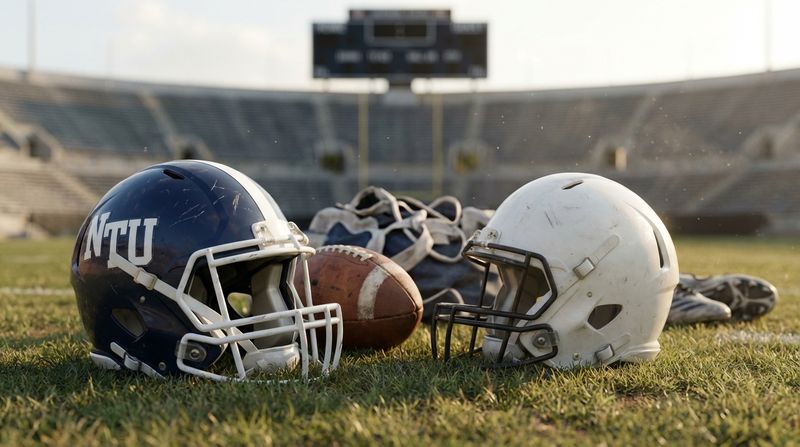
The transfer portal has revolutionized college sports, giving student-athletes unprecedented freedom—but is it destabilizing the very foundation of collegiate athletics? As debates rage from campus boardrooms to fan forums, Drury University's Jeff Frederick likens today's transfer landscape to the lawless era that led to the NCAA's formation, raising crucial questions about the future of the game.
The Portal’s Rise: Freedom for Athletes, Challenges for Teams
Since its introduction, the NCAA transfer portal has dramatically reshaped college sports. The portal allows student-athletes in sports like football and basketball to enter their names and immediately pursue new opportunities, often with immediate eligibility. This change was intended to empower athletes, providing them with flexibility akin to what coaches and administrators enjoy when switching jobs or programs.
- According to the NCAA, over 2,000 football players entered the portal in the 2023-24 offseason alone.
- Division I men’s basketball saw over 1,700 athletes transfer in the same period.
These numbers highlight the portal’s popularity—but also underscore the scale of disruption teams now face when building and retaining their rosters.
Echoes of College Sports’ Chaotic Beginnings
Jeff Frederick, a noted historian at Drury University, draws parallels between the current "Wild, Wild West" atmosphere and the unruly period that led to the NCAA’s creation in the early 20th century. Back then, a lack of regulation led to widespread abuses and inconsistencies, eventually forcing schools to band together under a governing body.
Frederick argues that the transfer portal, while well-intentioned, has created a similarly chaotic environment. With minimal restrictions, athletes can transfer multiple times during their careers, sometimes following coaching changes or chasing greater exposure and NIL (Name, Image, Likeness) opportunities.
Recruiting Turned Upside Down
College coaches—tasked with building cohesive programs—are now confronted with the possibility of losing key contributors at any time. This new reality has upended traditional recruiting, as teams must constantly re-recruit their own players and scour the portal for instant-impact transfers. Frederick’s analysis suggests that instead of fostering stability, the system has encouraged a transactional culture where loyalty is rare and roster churn is the norm.
- Some teams have seen double-digit departures in a single offseason.
- Programs with fewer resources struggle to retain top performers, who may be lured by larger schools with better NIL deals.
Unintended Consequences and Growing Pains
Critics like Frederick note that the portal’s freedom comes at a cost. The constant movement can leave athletes without a permanent home or a clear path to graduation. The lack of continuity may also erode team chemistry, diminish academic outcomes, and make it harder for fans to connect with their teams.
At the same time, defenders of the portal point to its role in leveling the playing field. It allows athletes to escape bad situations, pursue better opportunities, and take control of their futures—rights long denied to them compared to coaches or administrators. The debate, then, centers on finding the right balance between individual empowerment and institutional stability.
Calls for Reform and What’s Next
As the NCAA and its member schools grapple with the transfer portal’s impact, proposals for reform are surfacing. Some suggest implementing stricter transfer windows, requiring athletes to sit out a year after multiple transfers, or offering more robust academic support for frequent movers. Others argue that the genie cannot be put back in the bottle, and that programs must adapt to the new reality.
Frederick’s perspective—rooted in the history of college sports—serves as a warning and a challenge. Without thoughtful regulation, the chaos of the portal era could undermine the values that make collegiate athletics unique.
Conclusion: A Tipping Point for College Athletics
The transfer portal has given athletes a powerful voice but has also left colleges searching for solid ground. As stakeholders debate how to harness the positives while curbing the negatives, the future of college sports hangs in the balance. Will the portal era be seen as a bold leap forward or a step toward disorder? The answer may shape the next century of college athletics.
Sources
- [1]News-Leader
- [2]news-leader.com