Congress Holds the Key to the Future of College Sports—Not Trump
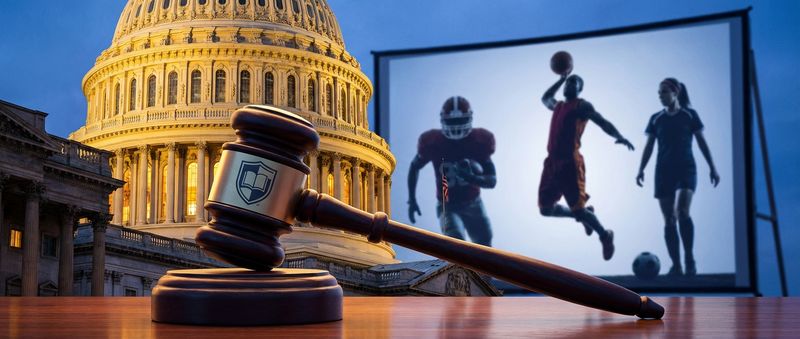
College sports in the United States are at a crossroads, with mounting legal, financial, and structural pressures threatening the stability of the entire system. Recent public discourse has focused on whether high-profile political figures, notably former President Donald Trump, could influence the future of collegiate athletics. However, leading voices in the field argue that the real power to enact meaningful change lies with Congress.
For decades, college sports have been governed by a patchwork of NCAA rules, state laws, and institutional policies. But the emergence of name, image, and likeness (NIL) rights, court rulings on athlete compensation, and conference realignments have exposed deep fissures in the system. Many universities now find themselves navigating a landscape where athlete demands, legal challenges, and financial sustainability are in direct conflict.
- The NCAA faces ongoing litigation and criticism over restrictions on athlete compensation.
- Conference realignment has destabilized traditional rivalries and regional identities.
- State-level NIL laws have created a patchwork of regulations, complicating recruiting and competition.
- Revenue disparities between schools and conferences have widened, raising concerns about competitive balance.
Political intervention has been touted as a possible solution. Some have looked to prominent figures like Donald Trump, given his history of involvement in sports and his vocal opinions on collegiate athletics. Yet, according to The Washington Post's analysis, Trump alone lacks the authority or capacity to resolve these systemic issues. The article stresses that only Congress can deliver the comprehensive legislative framework needed to address the complexities facing college sports.
This perspective is grounded in the reality that federal legislation could:
- Standardize NIL regulations across all states, creating a level playing field for athletes and schools.
- Clarify the legal status of student-athletes with regard to employment and compensation.
- Ensure equitable revenue sharing and financial oversight to preserve competitive balance.
- Protect the educational mission of college athletics against purely commercial interests.
The Washington Post underscores that congressional action is crucial, especially as judicial decisions and state laws continue to undermine the NCAA's ability to regulate fairly. Without federal intervention, the fragmentation of rules and enforcement threatens to erode the integrity and sustainability of college sports.
While political figures like Trump may bring attention to the issue, the consensus among experts is clear: meaningful reform will require bipartisan cooperation and legislative action from Congress. The fate of college sports—its financial health, competitive fairness, and educational value—now rests squarely in the hands of lawmakers, not any single politician.