Connor Stalions’ Eight-Year Show-Cause Penalty Upheld in Michigan Signal-Stealing Fallout
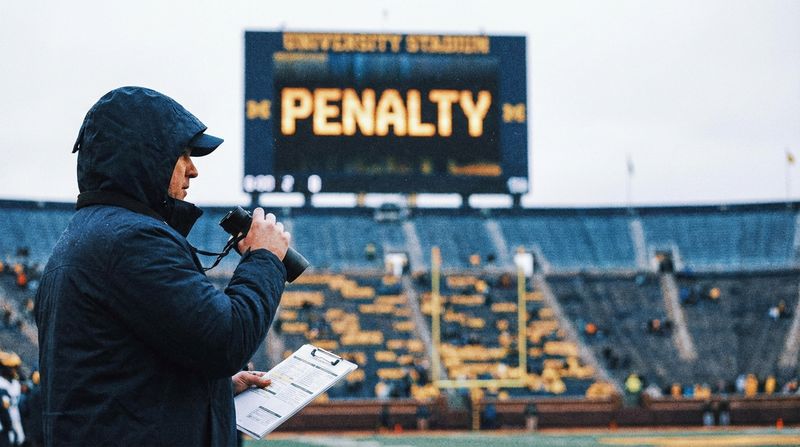
The NCAA has upheld the eight-year show-cause penalty levied against former Michigan Wolverines football staffer Connor Stalions, closing the door on his appeal and reaffirming the serious consequences of the program's high-profile signal-stealing investigation.
The NCAA's decision follows months of scrutiny into Michigan football’s actions during Stalions' tenure. Stalions, who worked as a recruiting analyst, was at the center of a controversy involving the alleged unauthorized collection of opposing teams' signals—a violation that drew national attention and intense debate about competitive integrity within college football.
The show-cause order, one of the most severe punishments in NCAA enforcement, essentially prevents Stalions from being hired in any NCAA member institution for the duration of the penalty unless that school can successfully appeal to the NCAA. According to the NCAA's formal process, such penalties are reserved for cases deemed to significantly undermine the spirit and rules of collegiate athletics.
- The eight-year show-cause is among the longest handed down in recent years for a non-head coach.
- The penalty stems from the findings that Stalions orchestrated a scheme to gather and decode opponents’ signals, which the NCAA determined provided an unfair competitive advantage to Michigan.
- Stalions’ appeal was reviewed by an NCAA committee, which opted to uphold the original penalty without reduction.
With the appeal denied, Stalions remains barred from NCAA coaching activities through 2034, marking a significant setback in any attempt to return to collegiate football. The ruling also sends a clear message to college programs nationwide about the consequences of circumventing rules designed to ensure fair play.
The aftermath of the investigation has continued to impact the Michigan program, which has made internal changes and faced heightened scrutiny from both the NCAA and Big Ten Conference in the wake of the scandal. While the school itself has moved forward, the upholding of Stalions' penalty reinforces the NCAA's stance on deterring future violations of a similar nature.