Council’s potential return could reshape Kansas’ backcourt rotation
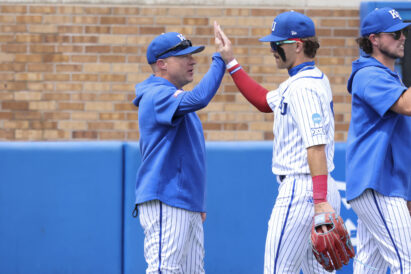
On July 27, 2026, Melvin Council Jr. sued the NCAA in an attempt to become eligible for the 2026-27 season. If he gets another year of eligibility, the Jayhawks would have to redraw the backcourt, rethink who handles the ball in pressure moments and revisit the scholarship and role promises built into the roster over the spring and summer.
How Kansas built around a moving target
Kansas did not bring Council in as an afterthought. The Jayhawks added the St. Bonaventure transfer on April 16, 2025, and KU’s April roster report placed him in a group that already included freshmen Samis Calderon, Darryn Peterson and Bryson Tiller, plus returnees Flory Bidunga, Elmarko Jackson and Jamari McDowell.
The rest of the spring kept that design in motion. Kansas’ 2025-26 roster was still taking shape on March 31, 2025, when the Topeka Capital-Journal published an update, and KU Sports followed with roster-building analysis on June 18 and June 25 as the picture became clearer. By the time Bill Self met with reporters on July 21, 2025, he was still talking through offseason moves and offering his first take on the group.
Why a return changes the guard math
The July 2026 legal fight put Council back at the center of Kansas’ backcourt planning, and that is where the practical basketball questions start. If he returns, the Jayhawks gain an experienced perimeter piece who can alter ball-handling duties, late-clock organization and the way the offense spaces the floor.
It affects who initiates offense when possessions get tight, how many minutes can safely go to younger guards and wings, and which players can be trusted to close games without the ball sticking. A team with Peterson, Jackson, McDowell and the rest of the 2025-26 mix has to decide whether Council is a stabilizer, a redundant creator or the player who lets everyone else slide into cleaner jobs.

Scholarship math also enters the picture immediately. Even without a public overhaul of the numbers, a return forces the staff to revisit how many rotation spots are committed, how many practices are built around a certain hierarchy and whether there is room for a late transfer or junior-college addition. For Kansas, a surprise return can reshape both the rotation and the recruiting board.
The legal fight behind the basketball question
On July 27, 2026, Bill Self reacted to Council’s push for more eligibility, saying he had not planned on Council returning but would welcome it if it happened.
The legal argument is tied to Council’s junior-college path. His lawyers argued that a dismissed rape charge forced him to attend JUCO, and that history became part of the eligibility case.
On July 28, 2026, Locked On Jayhawks focused on how the dispute could affect Kansas’ 2026-27 plans, rotation and perimeter shooting. If Council is available, Kansas gains a player who can steady the offense. If he is not, the staff has to live with the roster it already built and the minutes it already distributed elsewhere.
What junior-college prospects should read from this
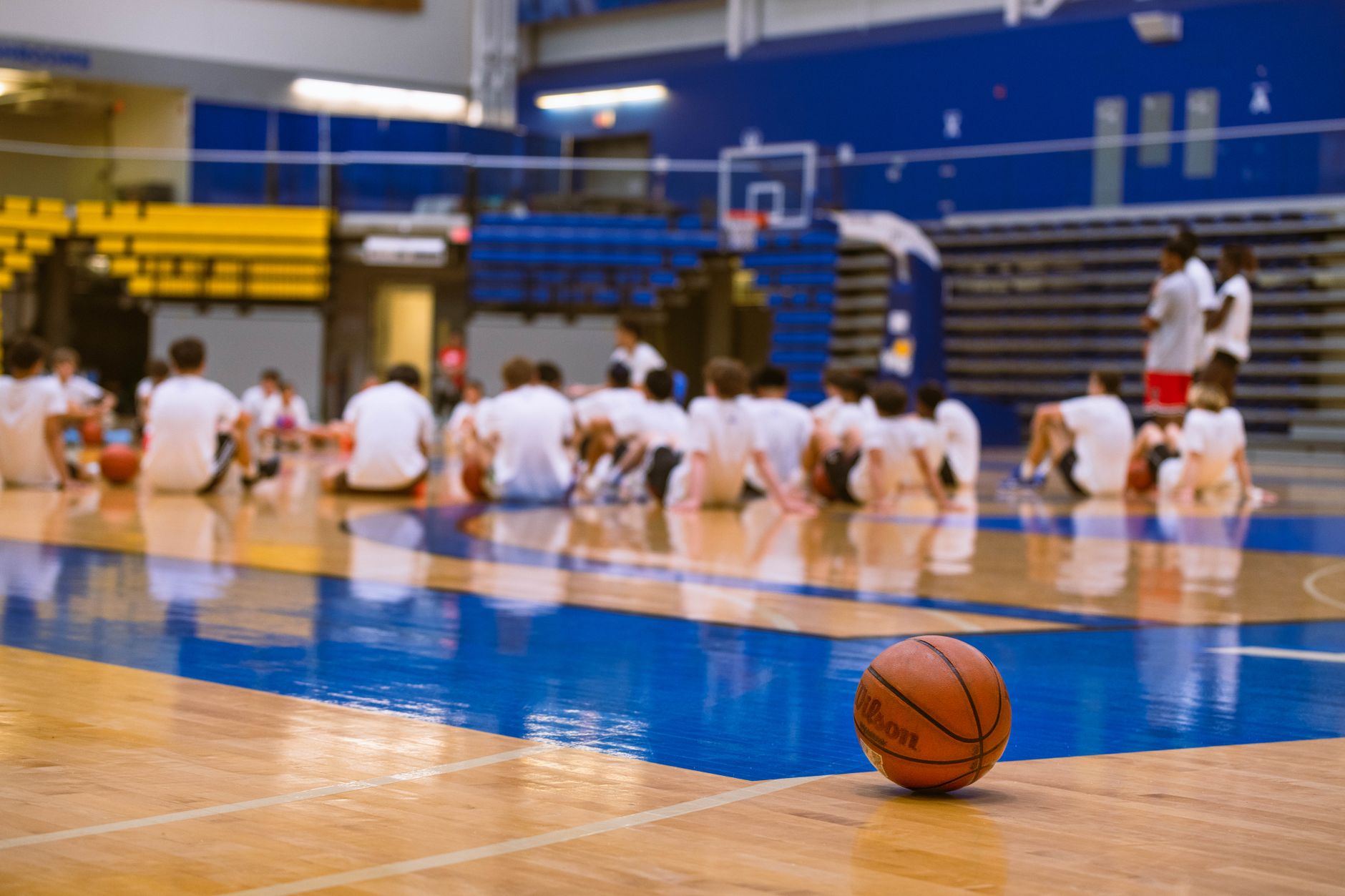
For NJCAA players, the Kansas situation shows high-major rosters are rarely as locked as they look in June. A school can build one version of its backcourt, then have an eligibility ruling, lawsuit or return decision force it to reopen the conversation in late July or beyond. That means the path to a scholarship is not just about being available, but about being available at the exact moment a program realizes it needs one more guard.
The lesson is especially important for junior-college perimeter players who project as multi-use pieces. Kansas would value the same traits many JUCO staffs emphasize: handling pressure, defending in space, and making enough shots to keep the floor open when the offense bogs down. If a veteran like Council returns, those traits still matter, but the opening can shrink fast because the staff no longer needs the same emergency insurance.
• A spring roster move is not always final in the transfer era.
• Late eligibility cases can reopen spots that looked occupied.
• JUCO guards who can defend and run offense are most likely to benefit when a roster shifts late.
• Timing matters as much as talent, because a high-major staff can change its mind when one veteran becomes available again.
Sources
- [1]www2.kusports.com
- [2]cjonline.com
- [3]youtube.com
- [4]kctv5.com
- [5]247sports.com