On December 26, 1919, a cash-strapped theater producer signed away the greatest baseball player who ever lived — and unwittingly cursed his franchise for 86 years. These ten distinct, verifiable facts about the Curse of the Bambino reveal just how strange, consequential, and entirely man-made that legend truly was.
1. A Single Transaction on December 26, 1919 That Rewrote Baseball History

The Boston Red Sox sold Babe Ruth to the New York Yankees on December 26, 1919, for $100,000 — a sum worth roughly $1.8 million today. Critically, this was a sale, not a trade: Boston received zero players in return, only cash and a reported $300,000 loan that owner Harry Frazee negotiated with Yankees co-owner Jacob Ruppert, using Fenway Park as collateral.
The timing made the deal immediately scandalous. Ruth had just set the single-season home run record by slugging 29 homers for Boston in 1919, so nobody watching could pretend the Red Sox were moving a declining asset. They were selling their best player, in his prime, for money — and every baseball fan in New England knew it.
2. Harry Frazee’s Real Motive: Broadway, Not Baseball
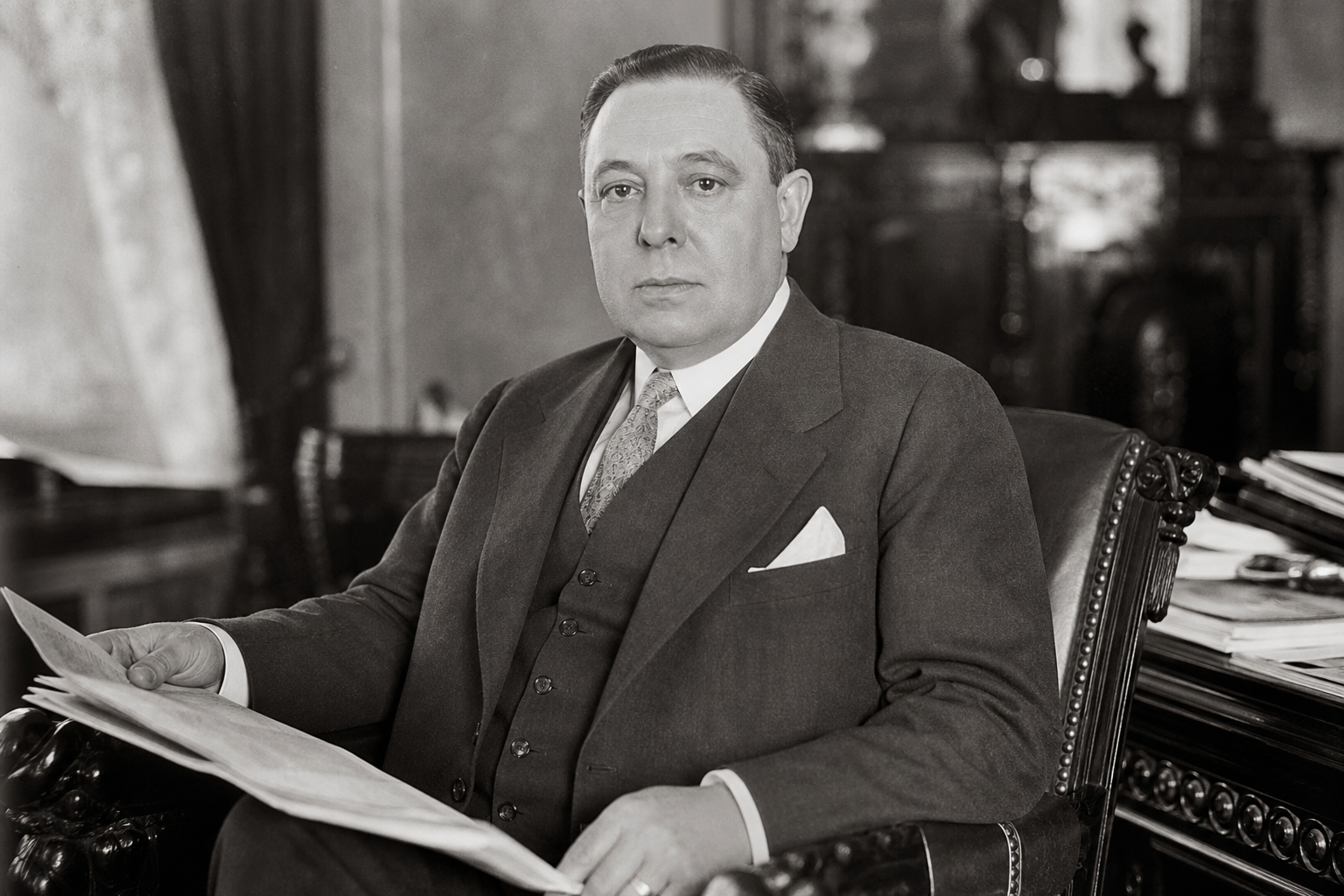
Red Sox owner Harry Frazee was a theatrical producer carrying serious debt, and the cash from the Ruth sale is widely reported to have flowed toward his Broadway ventures. The most famous example cited is the musical No, No, Nanette — though historians note that show did not open until 1925, which complicates any direct, dollar-for-dollar connection to the Ruth money. Frazee had bought the Red Sox in 1916 and treated the club as a financial instrument rather than a competitive franchise.
His priorities were those of a theater impresario, not a baseball strategist. When the ledger demanded it, Ruth was simply a liquid asset. That fundamental misalignment between owner and sport — a disconnect the history behind the Bambino curse makes plain — would haunt Boston fans for more than eight decades. Frazee compounded the damage in subsequent years by selling additional talented players to New York, including pitchers Waite Hoyt and Herb Pennock, further accelerating the Yankees’ rise and Boston’s decline.
3. The Curse Had No Name for Decades After the Sale

Despite what the mythology suggests, nobody in 1919 declared a supernatural curse on the Red Sox. The phrase “Curse of the Bambino” did not enter the cultural lexicon until Boston Globe columnist Dan Shaughnessy popularized it in his 1990 book of the same name. Shaughnessy’s framing gave generations of fans a tidy, almost poetic shorthand for 86 years of accumulated heartbreak.
Before Shaughnessy put a name to it, the Red Sox’s repeated failures were discussed in ordinary terms — mismanagement, bad luck, flawed rosters. The supernatural narrative was a retrospective invention, not a living superstition passed down from 1919. That distinction is easy to forget once a label sticks, and the label stuck with unusual force: within a decade of the book’s publication, the phrase had become standard shorthand in sports journalism across the country.
4. ‘Bambino’ Is an Italian Word — and That Matters for the Curse’s Identity
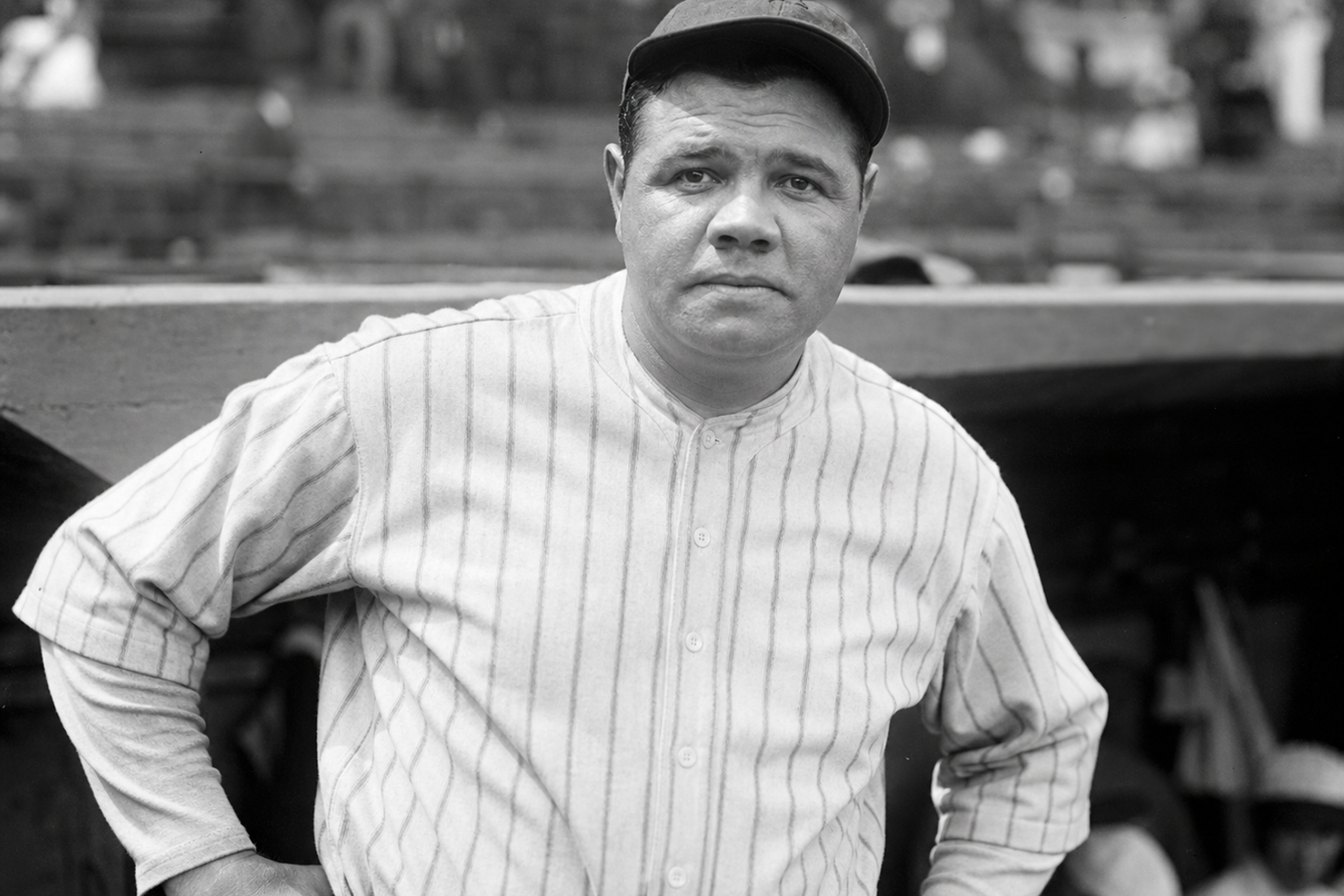
Ruth’s nickname “The Bambino” derives from the Italian word for “baby” or “little child,” a reference to his enormous, almost childlike appetite for life on and off the field. The Italian origin lent the curse’s name an operatic, Old World gravitas that a blander nickname never could have provided. It sounded less like a sports slump and more like something out of a Verdi libretto.
That linguistic texture matters. Without “The Bambino” as a ready-made label, the drought would have remained a statistical fact rather than a mythological event. The name did genuine cultural work — it elevated a business transaction into something that felt fated, ancient, and deserved of its own chapter in American sports history. It is worth noting that Ruth accumulated several other nicknames over his career, including “The Sultan of Swat” and “The Great Bambino,” but it was the Italian diminutive that Shaughnessy chose, and the choice proved decisive for how the story would travel.
5. Boston Had Already Won Multiple World Series Before the Sale
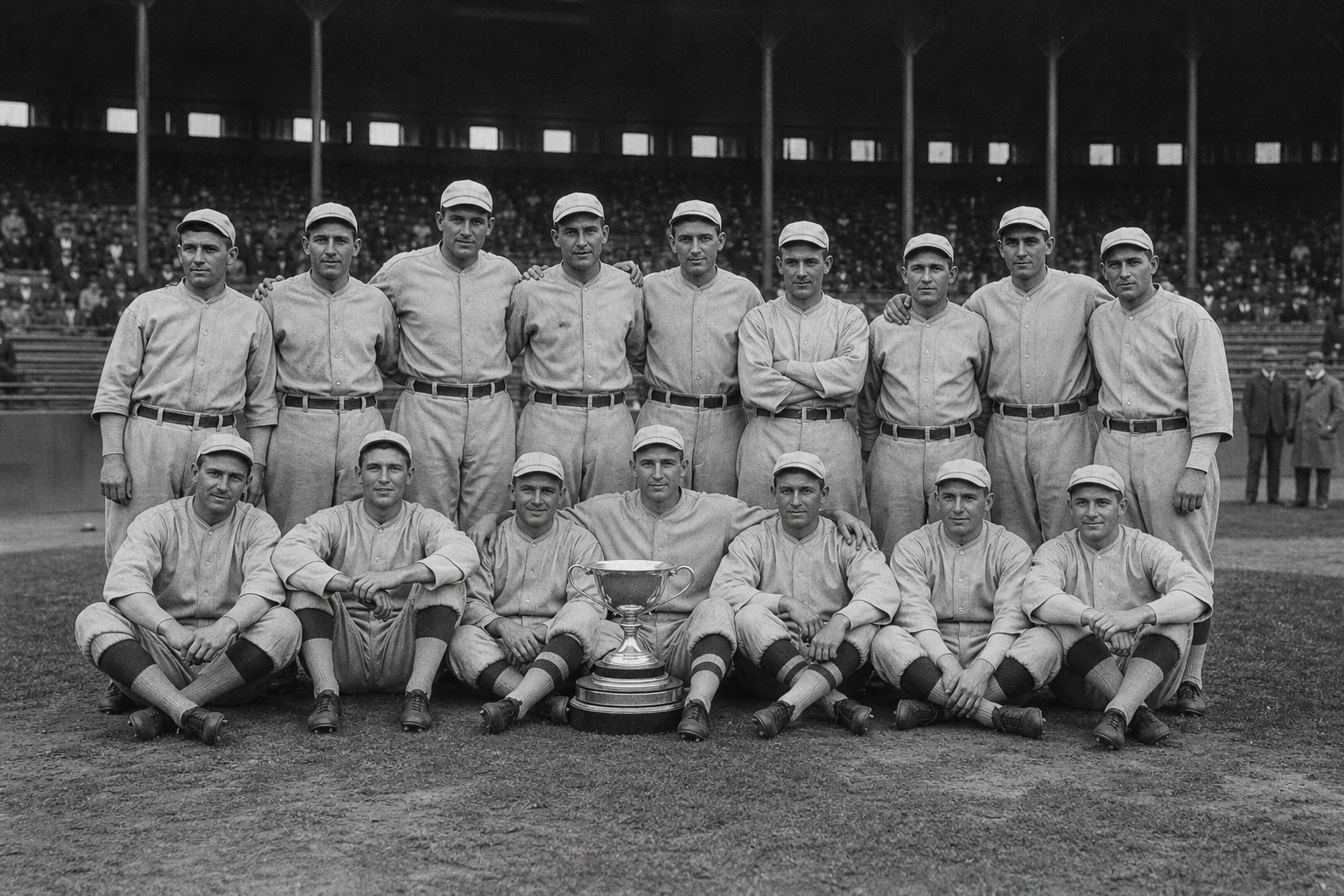
The Red Sox were not an also-ran franchise before Harry Frazee dismantled them — they were a dynasty. Boston won the World Series in 1903, 1912, 1915, 1916, and 1918, making them one of the sport’s premier clubs in the early twentieth century. Ruth himself contributed directly to the 1916 and 1918 championships, including a legendary stretch of 29⅔ consecutive scoreless innings pitched in World Series play — a record that stood until Whitey Ford broke it in 1961.
That prior excellence is what made the subsequent drought so devastating to Boston fans. The city had a blueprint for winning. It had watched a team execute that blueprint five times. Then, with one transaction, the blueprint was sold to New York — and the winning stopped for 86 years. The cruelty of the curse narrative lives precisely in that contrast between what Boston had been and what it became.
6. The Yankees Won Their First World Series Just Three Years After Getting Ruth
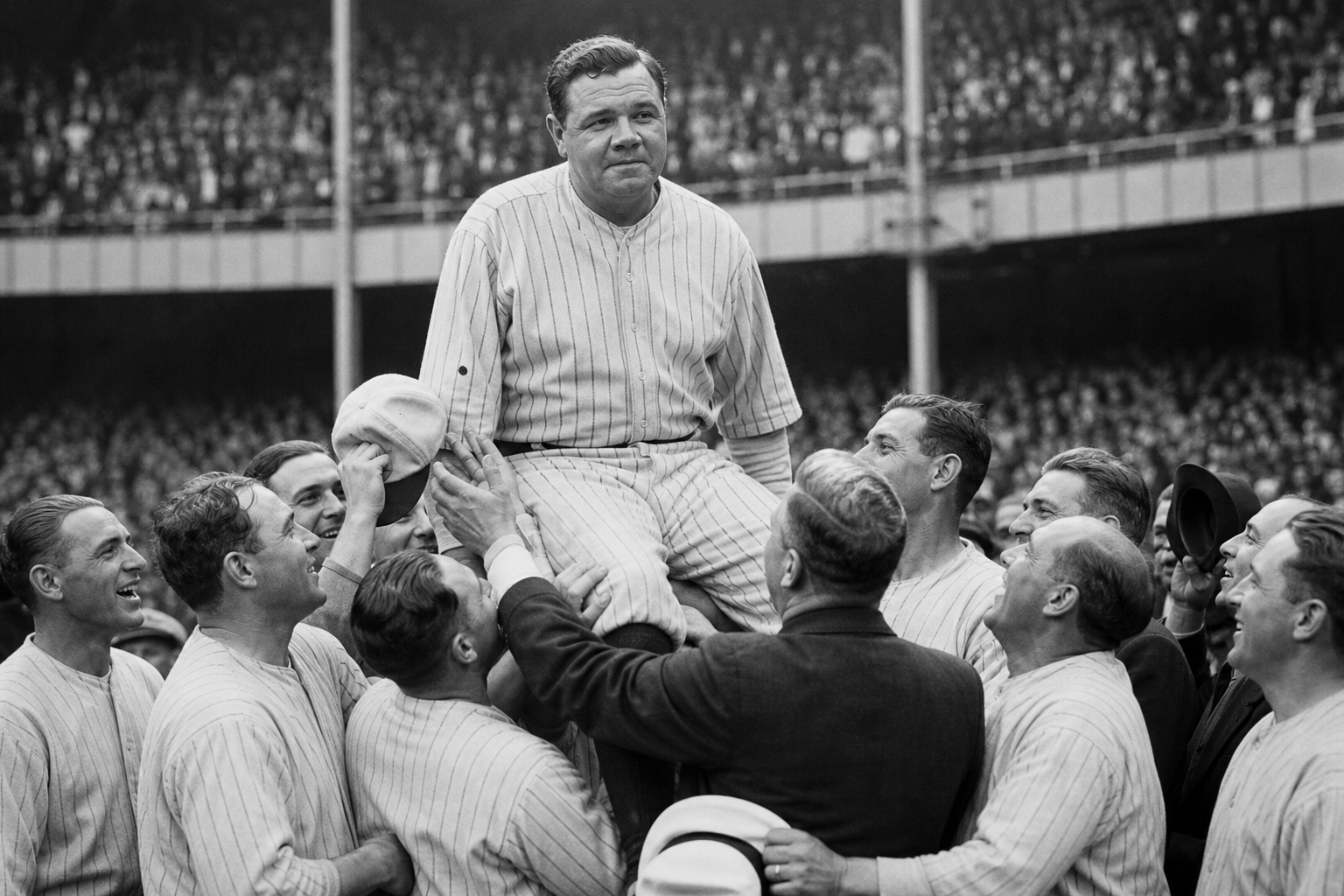
Before the Ruth acquisition, the New York Yankees had never won a World Series. Within three years of the deal, they captured their first championship in 1923 — the same year Yankee Stadium opened its doors, a ballpark built largely on the revenue Ruth’s gate appeal generated. Ruth hit 54 home runs in 1920 alone, his very first season in pinstripes, shattering his own single-season record and immediately vindicating the transaction from New York’s perspective.
The dynasty that followed is staggering in scope. The Yankees went on to become one of the most dominant franchises in professional sports directly on the foundation of the Ruth acquisition. Every championship banner that went up in the Bronx was, in some sense, a banner that might have flown over Fenway Park.
7. The 86-Year Drought Spanned Four Generations of Boston Fans
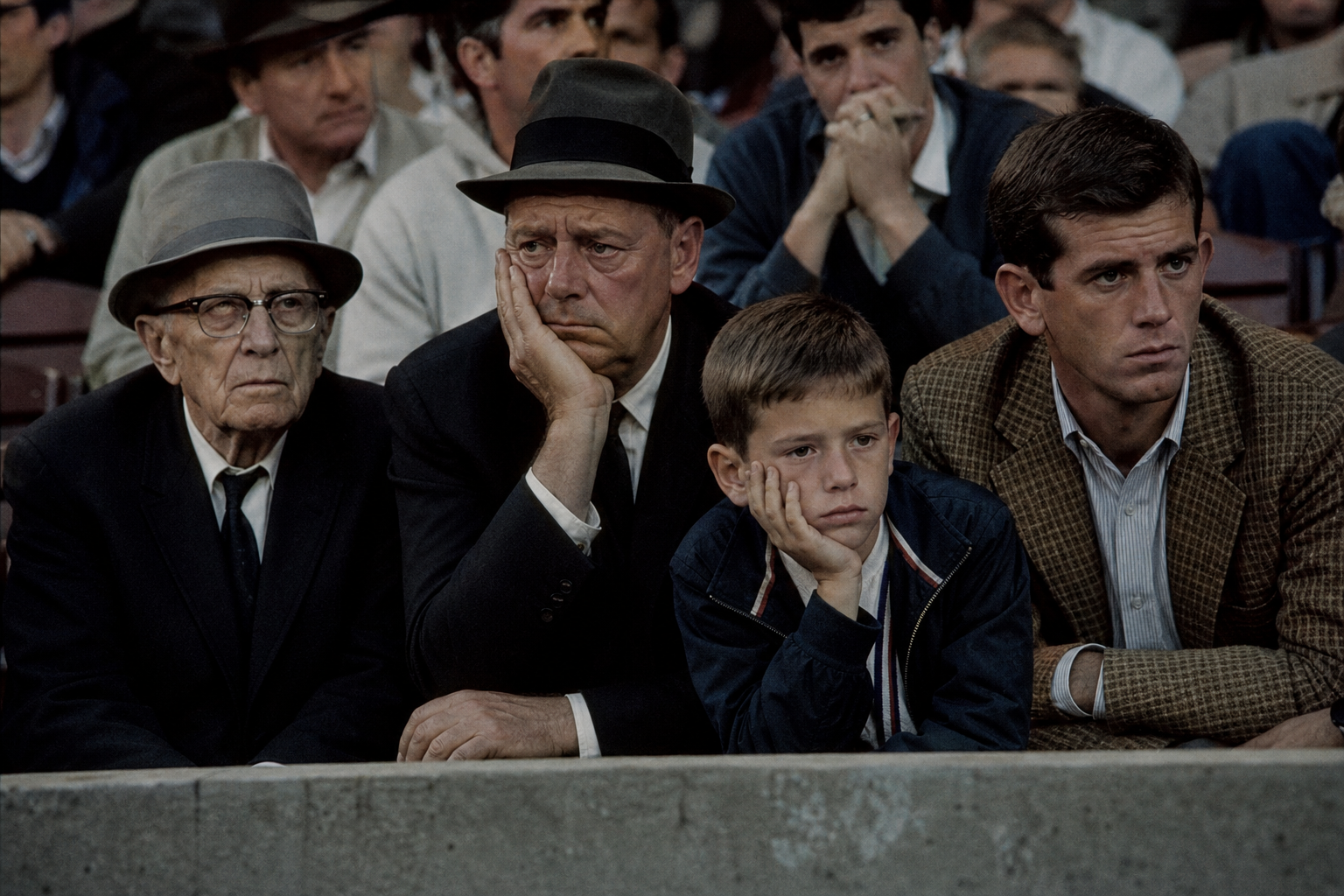
The championship gap ran from 1918 through 2003 — long enough that grandparents, parents, and children could all live full lives and die without ever seeing the Red Sox win a title. During that stretch, Boston reached the World Series four times — in 1946, 1967, 1975, and 1986 — and lost each one, frequently in ways that felt almost engineered to maximize suffering.
The 1986 collapse stands as the drought’s most haunting single moment. The Red Sox were one strike away from winning Game 6 of the World Series against the New York Mets when a Mookie Wilson ground ball slipped past first baseman Bill Buckner, allowing the tying run to score. Boston lost Game 7 two nights later. It was the kind of defeat that does not merely break a fan’s heart — it makes the idea that something larger is at work feel genuinely difficult to dismiss.
8. The Ruth Trade Has Been Called ‘The Original Sin of Baseball’
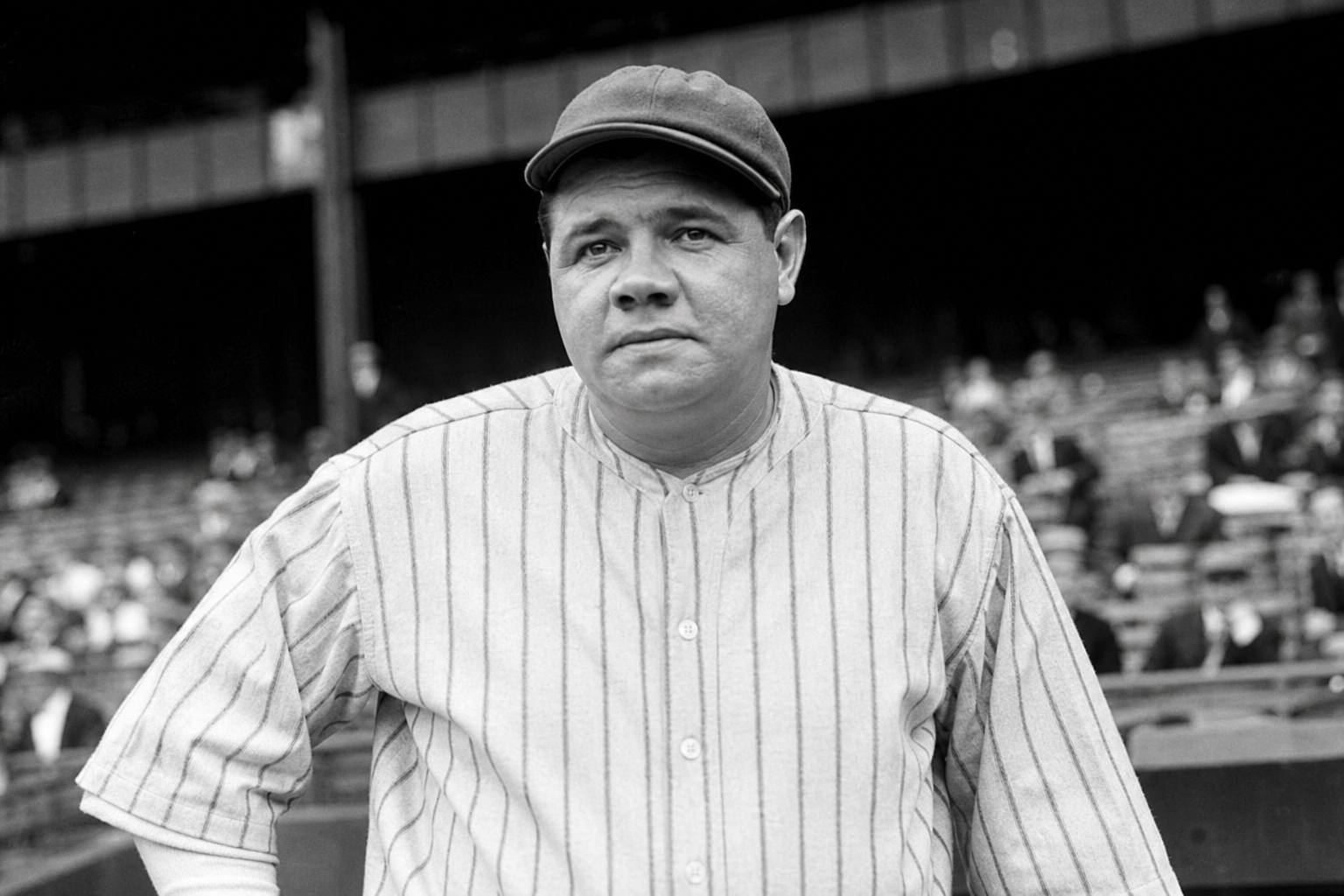
The Ruth sale has been described in religious terms by multiple commentators and broadcasters over the decades, with the phrase “the original sin of baseball” appearing in coverage including PBS’s Iconic America series. The religious framing is no accident. The narrative arc of the curse — transgression, punishment, eventual redemption — maps almost perfectly onto a morality tale about greed overriding loyalty. Frazee chose money over competition, and Boston suffered for it. The language of sin and curse gave that story a moral architecture that pure sports analysis never could.
That cultural weight is what separates the Curse of the Bambino from an ordinary franchise slump. Plenty of teams go decades without a title; few of them become a story that Americans use to talk about hubris, patience, and what it means to belong to a losing city. The Ruth sale gave Boston fans a villain, a myth, and — eventually — a redemption narrative powerful enough to match the original wound.
9. The 2004 Reversal Required an Unprecedented Comeback to Feel Complete
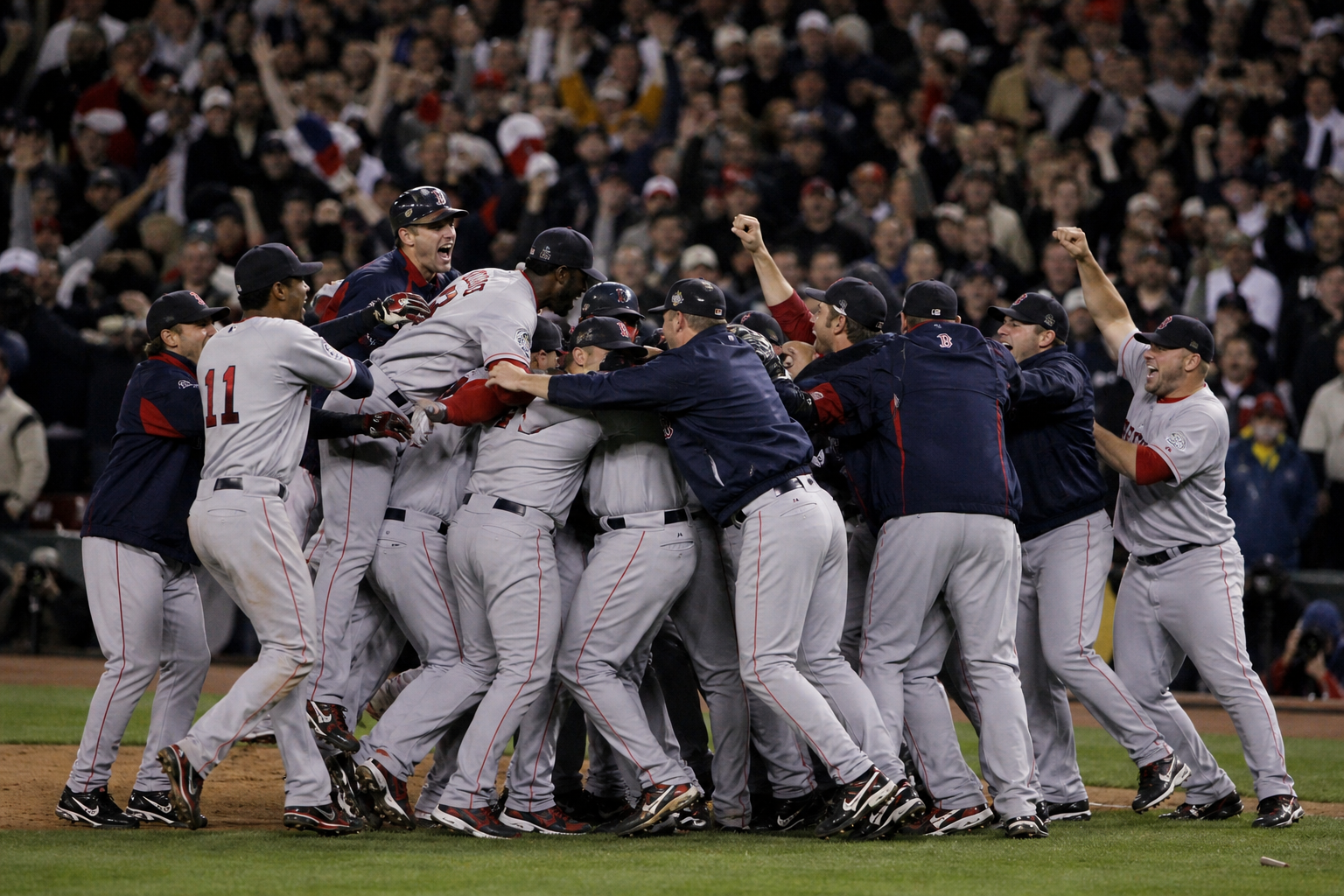
Boston broke the curse by winning the 2004 World Series, sweeping the St. Louis Cardinals 4–0. But the path to that sweep ran directly through the Yankees — and directly through history. Down 3–0 in the American League Championship Series, the Red Sox became the first team in MLB postseason history to come back from that deficit and win a series. They did it against New York, specifically, which gave the whole thing a narrative symmetry that a straightforward run to the title never could have matched.
In the context of the curse, winning alone was not sufficient. Boston had to defeat the Yankees — the franchise that had benefited from Frazee’s sale for decades — to truly close the chapter. The comeback made the exorcism feel earned rather than accidental, and it unfolded against the one opponent whose involvement could make it mean something beyond a baseball result. That is precisely why Red Sox fans still discuss 2004 with something close to reverence, more than two decades later.
10. The Curse Is Classified as Superstition, Not Documented Prophecy
No hex was declared. No formal proclamation was issued. No curse was documented at the time of the Ruth sale in December 1919. Sports historians and sociologists classify the Curse of the Bambino as a superstitious sports narrative — a device that fans and media constructed in retrospect to make sense of prolonged, improbable failure. The supernatural framing was assembled piece by piece over decades, not handed down from a single dramatic moment of declaration.
The distinction matters, and it is ultimately the most revealing fact about the curse. A story — once named, repeated, and believed — can shape a franchise’s identity, influence a fan base’s psychology, and define how players experience pressure in ways that are entirely real, even when the original premise is entirely invented. The history behind the Red Sox jinx is, at its core, a case study in how powerfully a story can outlast the facts that started it.
Harry Frazee signed the paperwork on a winter day and went back to worrying about Broadway; he never saw the mythology coming. Eighty-six years later, Boston did the one thing that could unmake it — and they had to beat New York to do it.