Dabo Swinney’s Tampering Allegation Against Ole Miss and Pete Golding Sparks NCAA Scrutiny
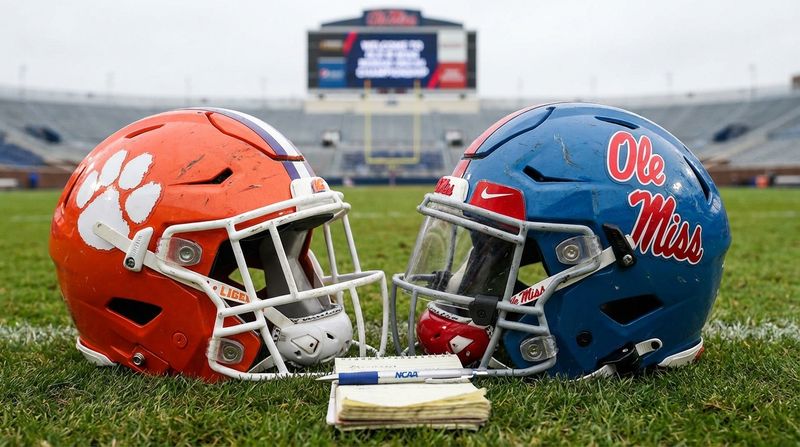
Dabo Swinney, head coach of Clemson, has ignited controversy in the college football world by accusing Ole Miss and defensive coordinator Pete Golding of tampering with linebacker Luke Ferrelli during his transfer process. The allegations, made public on January 23, 2026, have triggered renewed scrutiny of the NCAA’s transfer portal regulations and the consequences for programs found guilty of tampering.
Background: The Luke Ferrelli Transfer Saga
The situation centers on Luke Ferrelli, a highly-touted linebacker who initially enrolled at Clemson before abruptly switching to Ole Miss. Ferrelli’s move came after he had signed with Clemson and was expected to join their defense for the upcoming season. According to multiple reports, the timing and circumstances of Ferrelli’s transfer raised eyebrows, especially after Swinney accused Ole Miss staff of improper contact during the process.
- Ferrelli had signed with Clemson and was enrolled before transferring to Ole Miss
- The transfer portal window had recently closed, adding to the controversy
- Pete Golding, Ole Miss’s defensive coordinator, is at the center of the allegations
Dabo Swinney’s Public Allegations
Swinney’s criticism was both direct and detailed. According to reports, he outlined a timeline suggesting that Ole Miss, and specifically Pete Golding, contacted Ferrelli after his commitment to Clemson. This, Swinney contends, constitutes tampering under NCAA rules, which prohibit schools from recruiting players who are not officially in the transfer portal.
While Swinney’s public remarks did not include direct quotes, his statements have been characterized as some of the strongest accusations of tampering yet seen in the transfer portal era. Swinney also used the situation to highlight his ongoing criticism of the transfer portal system, likening its unpredictability to a “Las Vegas wedding” and defending Ole Miss head coach Lane Kiffin as not being directly involved.
What Is Tampering in NCAA Football?
The NCAA defines tampering as improper contact between a school’s staff and a student-athlete who is not in the transfer portal. Under current rules, coaches and staff are strictly prohibited from recruiting players enrolled at another school unless the player has formally entered the portal. If a program is found guilty of tampering, possible penalties include:
- Fines or probation for the school
- Suspensions for implicated coaches
- Recruiting restrictions for future seasons
- Reversal or nullification of a transfer in extreme cases
The NCAA transfer portal calendar has been a source of confusion and controversy, especially as high-profile transfers like Ferrelli’s become more frequent.
Potential Fallout for Ole Miss and Pete Golding
As of January 23, no formal investigation or punishment has been announced. However, the public nature of Swinney’s allegations puts pressure on the NCAA to review the case. If evidence supports the claim that Ole Miss or Golding contacted Ferrelli before he entered the portal, the program could face sanctions outlined above. The Ole Miss football staff has not issued a public statement addressing the accusations.
The situation also highlights the evolving landscape of college football recruiting, where the transfer portal has made player movement more fluid—and, some argue, more susceptible to rule-breaking. Swinney’s vocal opposition to the current system reflects concerns shared by many coaches about the competitive balance and integrity of the sport.
Transfer Portal Debate: Systemic Issues Exposed
This incident is the latest flashpoint in the ongoing debate over the NCAA transfer portal. While the portal has empowered student-athletes to change schools more freely, it has also led to increased allegations of tampering and unethical recruiting practices. Swinney’s frustration echoes a growing sentiment among coaches that enforcement lags behind the realities of modern college football.
The outcome of any NCAA investigation into Ole Miss and Pete Golding could set an important precedent for future tampering cases. As the portal continues to reshape the sport, programs and coaches will be watching closely to see whether the governing body enforces its rules or revisits its approach entirely.
What Comes Next?
For now, Ole Miss and Pete Golding await potential NCAA review as the 2026 offseason unfolds. The case will be closely monitored not only for its impact on the two schools involved, but also for what it signals about the future of recruiting enforcement in college football. With coaches like Swinney demanding accountability, the coming weeks could prove critical in shaping transfer portal policy and penalties.
Sources
- [1]Clarion Ledger
- [2]Slashdot.org
- [3]CBS Sports