Debate Heats Up Over 3-on-3 Overtime Format in Olympic Hockey
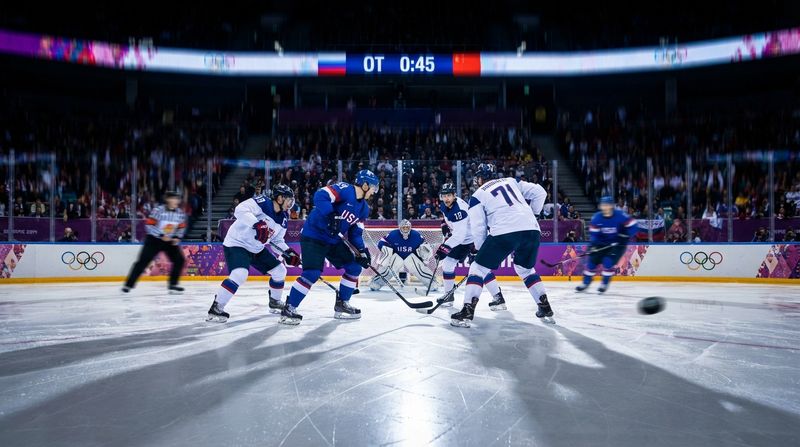
The adoption of the 3-on-3 overtime format in Olympic hockey has sparked a passionate debate within the sport’s global community. While the format’s fast pace and high-scoring opportunities have brought a new level of excitement to the games, critics argue it represents a departure from the traditions that define Olympic hockey.
Traditionally, overtime in international play featured full-strength, 5-on-5 hockey or, in some cases, 4-on-4 skaters per side. Recent tournaments, including Olympic competition, have shifted to the 3-on-3 format, mirroring changes seen in the NHL and other major leagues. This move was designed to reduce the frequency of games being decided by shootouts and to create more open ice for skilled players to shine.
However, the new format has drawn criticism from some players, coaches, and fans who see it as a gimmick that undermines the essence of hockey. As one headline from The Detroit News bluntly put it: ‘Not hockey anymore.’ That sentiment is echoed by traditionalists who argue that the reduced number of skaters fundamentally alters team strategy, player roles, and the spirit of Olympic competition.
- In the 3-on-3 overtime, the amount of available ice per player increases by 67%, allowing for more breakaways and odd-man rushes.
- Statistics from recent tournaments show a sharp increase in overtime goals scored under the new rules, with fewer games reaching the shootout phase.
Supporters of the 3-on-3 system point to its entertainment value. Games become more dynamic, and the skill level required to succeed in open ice puts a spotlight on the world’s best players. The format also ensures that games are decided by actual gameplay rather than the more contentious shootout, which some purists dislike even more than 3-on-3.
Yet, for those who grew up watching classic Olympic hockey, the change raises questions about the future identity of the sport at its highest stage. The debate is likely to intensify as the format is tested in upcoming Olympic cycles, with stakeholders on all sides voicing opinions about whether this innovation is a necessary evolution or an unwelcome break from tradition.
The issue reflects the broader tension in sports between maintaining tradition and embracing innovation. As Olympic organizers and hockey federations evaluate feedback from recent tournaments, the fate of 3-on-3 overtime will remain a hot topic for players, coaches, and fans alike.