Decatur family turns wiffle ball into a neighborhood tradition
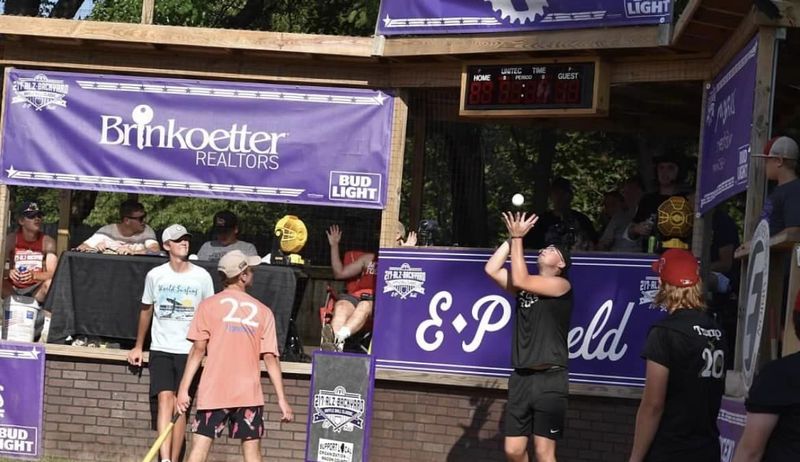
The Decatur family at the center of this story has turned wiffle ball into something bigger than a casual summer game. What began as backyard play now draws relatives, friends, and neighbors, giving the block a recurring gathering point and a local sports identity that feels earned, not manufactured.
A backyard game that now pulls a crowd
Wiffle ball works in places like Decatur because it asks for very little and gives back a lot. It is easy to set up, it welcomes multiple ages, and it can fit almost any outdoor space, which makes it ideal for a family that wants play to spill naturally into a neighborhood routine. The result is not just another evening game but a recognizable attraction, one that keeps people coming back because the action is simple to follow and easy to join.
The family’s appeal is in the repetition. One game leads to another, and that steady pace is what turns a private pastime into a local habit. In a summer sports calendar crowded with bigger events and louder headlines, this kind of consistency matters because it creates a place where people already know the rhythm: show up, watch, compete, and stay longer than planned.
What the ripple effect looks like
The clearest sign that the game matters beyond the yard is turnout. Relatives, friends, and neighbors do not just hear about the games, they stop by to watch or jump in, which is the difference between a family activity and a shared neighborhood tradition. That kind of pull gives the game a social life of its own, and it makes the home field part of the summer landscape.
It also gives younger players a natural entry point. Wiffle ball does not require a full-size field or a complicated setup, so kids and adults can mix into the same game without the barrier that keeps many sports feeling separate by age. That flexibility is part of why a family-run version can become a community event: the same setup that works for one evening can keep working all season.
• The crowd is local, not anonymous, which makes every game feel like a neighborhood event.
• The setup is homemade enough to feel personal, but repeatable enough to become a routine.
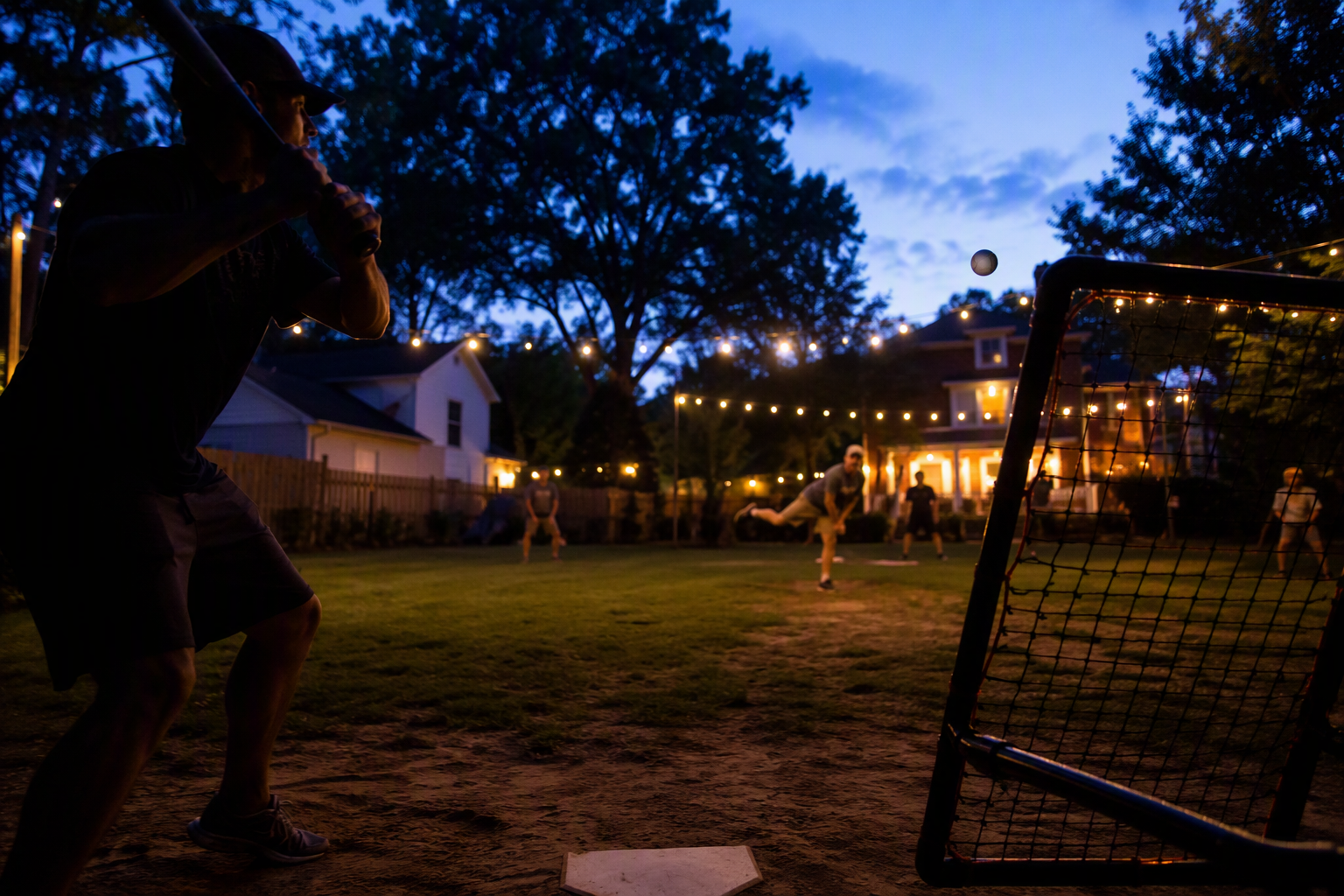
• The action is accessible across ages, so the next generation can move from watching to playing without much friction.
Those details are what give a backyard game staying power. A field does not need bleachers or lights to matter if it becomes the place people associate with summer, and the Decatur family’s version has done exactly that.
Decatur already has a bigger wiffle ball stage
The city’s broader wiffle ball culture is already visible in the 217 ALZ Wiffle Ball Classic, a week-long backyard tournament off Lost Bridge Road that returned for its 11th year of operation in 2026. The event is an annual fundraiser dedicated to Alzheimer’s research and supporting local treatment programs, which gives the competition a purpose beyond the scoreboard. That combination of backyard setting and charitable mission is a big reason it has stuck.
By 2026, the classic had reached the point where a week of games in a backyard off Lost Bridge Road could be treated as part of the local calendar. That kind of run takes repetition, and repetition is exactly what separates a novelty from a neighborhood institution. Decatur clearly has room for both the family game and the larger fundraiser, and the two feed the same local appetite for competition, hanging out, and homegrown sports culture.
Why this tradition matters
The power of this story is not sentimental. It is structural. A family turned a simple game into a recurring draw, and Decatur already supports a long-running charity version that brings people to a backyard off Lost Bridge Road for a full week. Put together, those facts show how wiffle ball can move from casual play to community identity without losing the traits that make it fun in the first place.
That is why the Decatur version matters: it gives neighbors a reason to gather, it gives younger players a way in, and it gives the town a sport that can be both informal and competitive at the same time. In a city that already treats a backyard wiffle ball classic as an institution, a family-run game is not a side note. It is part of the same tradition, built one game at a time.
Sources
- [1]newschannel20.com
- [2]nowdecatur.com
- [3]wandtv.com