Dual-tube racquet technology could reshape racquetball in 2026

HEAD’s SQUARED launch on April 9, 2026 put a tennis-born frame idea into the racquetball market: dual-tube construction. The debate is not about string tension or grip size. It is about whether the design can survive the jump into a sport built on short swings, hard cuts and instant recovery. Racquetball players are now weighing whether the design is a real performance shift or another premium feature that sounds bigger than it plays.
What dual-tube construction actually changes
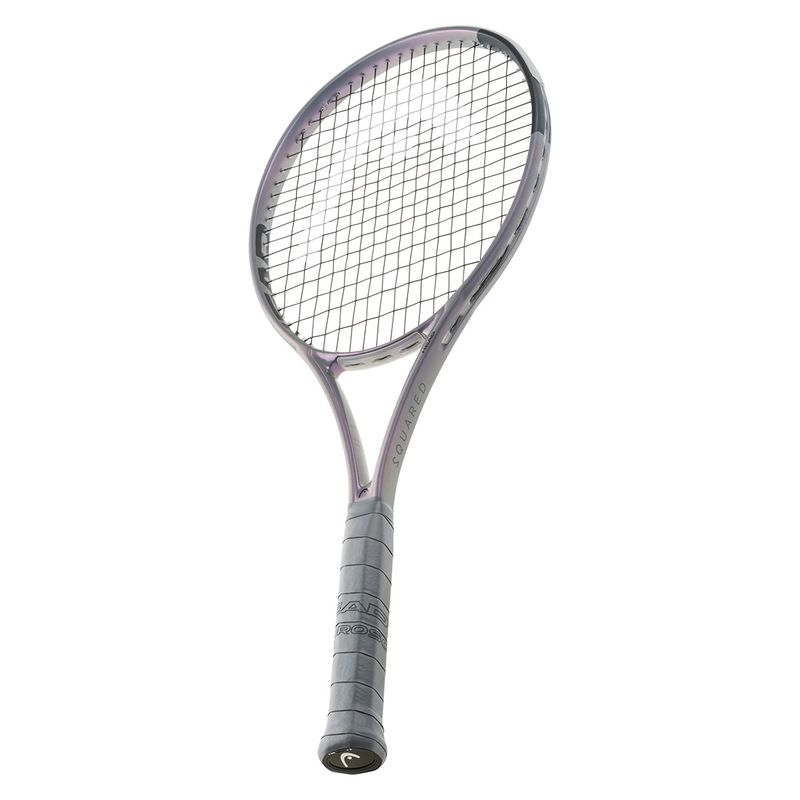
Dual-tube frames replace the traditional single-tube feel with two hollow tubes in the hoop and throat, a structure meant to add stability without adding much weight. HEAD calls SQUARED its most head-light tennis racquet and markets the platform as using dual tube technology for maximum power and comfort, with effortless swings and a new feel on every shot. The company’s stated balance point of 295 mm matters because a head-light racquet moves quickly, and quick movement is exactly what racquetball rewards.
That is why the crossover feels plausible instead of gimmicky. Racquetball demands fast acceleration in a compact court, not long, looping strokes, so a frame that stays stable while remaining easy to whip through contact could make sense immediately. Dual-tube technology could help a player generate pace and control without fighting the racquet on every hit.
Why racquetball is a different test than tennis
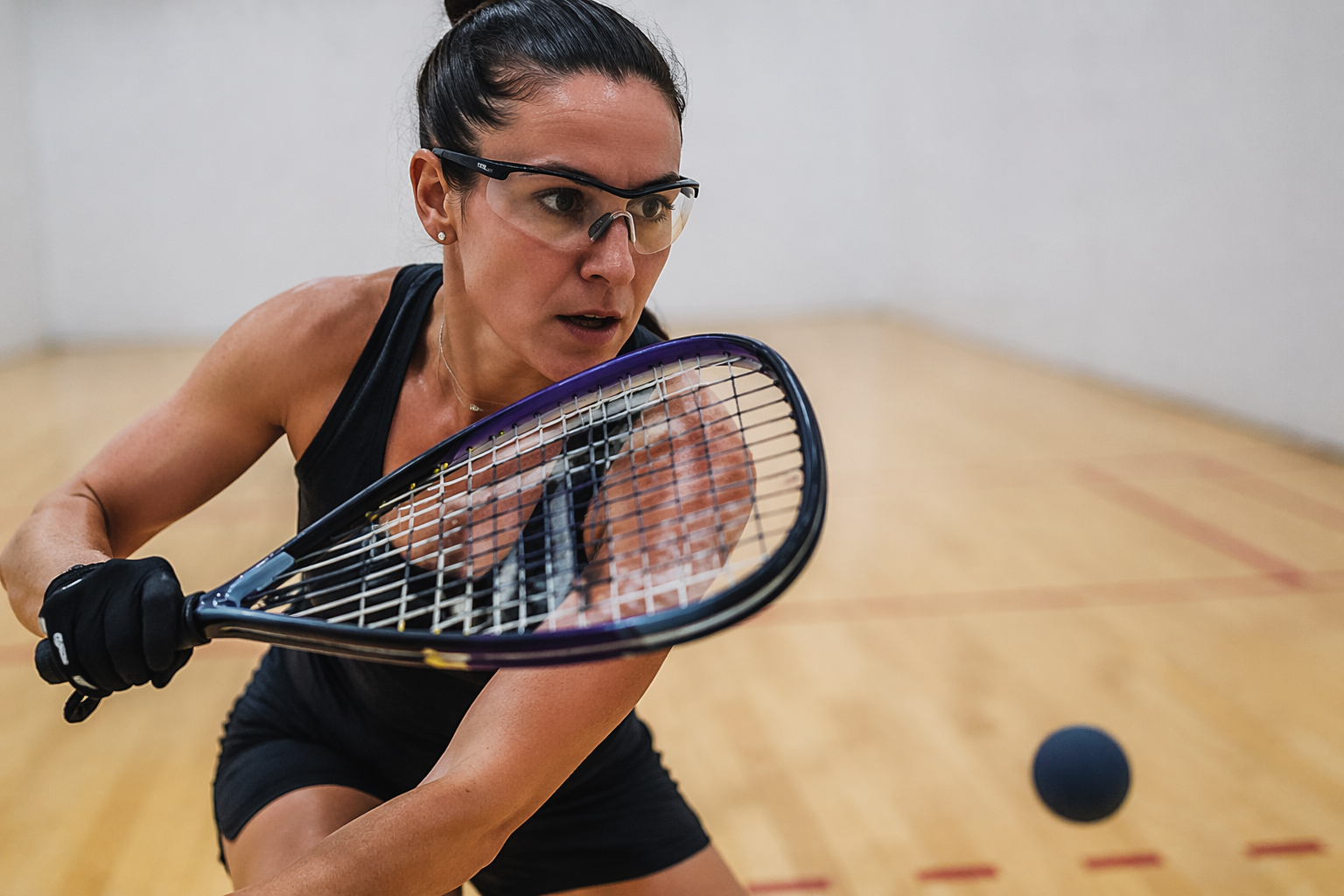
The racquetball court is 20 feet wide, 40 feet long and 20 feet high, with a back wall at least 12 feet high, a layout that compresses reaction time and leaves almost no margin for a sluggish frame. In that space, a player notices swing feel, face stability and recovery speed far more than the kind of raw power marketing copy likes to promise. If a racquet twists less on contact, players get tighter lines, cleaner backhand retrieves and fewer shots that leak off the face under pressure.
Comfort also matters. HEAD markets SQUARED on power and comfort, and that combination is central to any racquetball translation. Players will not just ask whether the racquet hits harder. They will ask whether it feels calmer in the hand, whether off-center contact is less jarring and whether the frame lets them stay aggressive without losing control late in a match.
Who notices the difference first
The biggest gains are likely to go to elite competitors and frequent tournament players, not casual buyers chasing the newest frame shape. In competitive racquetball, where margins are measured in inches and second serves can decide a game, even a small boost in stability can matter. A player who already has repeatable mechanics is best positioned to take advantage of a racquet that delivers a little more power and a little more control at the same swing speed.
Weekend players may still like what they feel, but the payoff is more limited. More affordable adapted frames are already showing up in the $80 to $150 range, which broadens the audience, yet price alone does not make a design transformative. Recreational buyers are most likely to notice the softer feel, easier handling and premium-label appeal, while serious tournament players are the ones who can turn those traits into points.
This is not racquetball’s first equipment leap
Racquetball has been here before. Joseph Sobek created the first rules in 1949 and then developed plans in 1950 for a new short-strung racket using a tennis racket as a pattern. The first Racquetball Championships followed in 1969, and the equipment timeline kept moving: aluminum alloy frames arrived in 1971, fiberglass in 1972, graphite in 1979 and oversize frames in 1984.
Dual-tube construction fits that pattern, even if it arrives through tennis first.
The market is already signaling where this goes
HEAD is not entering a blank market. RacquetWorld’s 2025 to 2026 racquetball catalog still lists HEAD as an active brand. E-Force has long highlighted stiffness-focused frame ideas of its own, including Dual Cylinder and Zero Richter Tubes, so racquetball manufacturers have already spent years chasing the same core problem from different angles.
The current moment looks less like a sudden revolution and more like a new round in a familiar design arms race. RacquetX 2026, held March 13 to 15 at the Broward County Convention Center in Fort Lauderdale, Florida, drew 3,000-plus attendees, 150-plus companies and 1,000-plus industry leaders. Tennis, pickleball and racquetball gear trends are now feeding one another faster than they did a generation ago.
What to watch when dual-tube frames hit racquetball courts
The practical test is simple: does the frame help players keep the racquet moving fast without losing the face through contact? If the answer is yes, the technology can earn its place in racquetball because the sport rewards stable power in tight quarters more than flashy specifications on a box. If the answer is only that the racquet feels expensive, then the design stays in the premium category and never becomes essential gear.
Sources
- [1]rallyracket.com
- [2]head.com
- [3]prnewswire.com
- [4]usaracquetball.com
- [5]racquetballmuseum.com
- [6]theracquetx.com
- [7]racquet360.com
- [8]e-force.com
- [9]store.racquetworld.com