Eileen Gu Stands Firm: US-Born Olympian Reaffirms Commitment to Representing China at Upcoming Winter Games
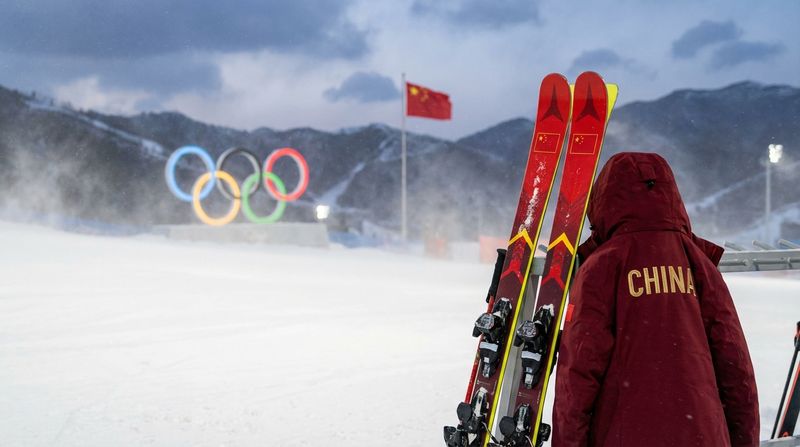
Eileen Gu, the San Francisco-born freestyle skiing sensation, is once again at the center of international sports discourse as she reaffirms her decision to compete for Team China in the upcoming Winter Olympics. Gu, who captured global headlines with her triple-medal performance at the 2022 Games, is defending her choice in the face of renewed scrutiny.
Background: Gu’s Cross-National Journey
Born and raised in the United States, Eileen Gu became a household name through her outstanding achievements in freestyle skiing. However, her 2019 decision to switch allegiance from the United States to China—her mother’s native country—sparked intense debate, especially as she became a symbol of Chinese sporting excellence during the 2022 Beijing Winter Olympics.
- Gu won three medals at the 2022 Games: gold in big air, gold in halfpipe, and silver in slopestyle.
- She was born in San Francisco to a Chinese mother and American father.
- Her switch was announced ahead of the 2022 Olympics, where she expressed a desire to inspire youth in both countries.
Renewed Defense Ahead of 2026 Winter Olympics
As the next Winter Games approach, Gu’s decision remains a lightning rod. The New York Post reports that she has publicly defended her renewed commitment to China, emphasizing her personal motivations and the broader impact she hopes to have on the sport. The debate has resurfaced amid discussions about national identity, athlete representation, and the global nature of the Olympics.
Public and Media Reaction
Gu’s stance has drawn mixed reactions:
- Some in the United States have questioned her patriotism and loyalty, noting her American upbringing and early career with Team USA.
- In China, she is widely celebrated as a national hero and a role model for young athletes.
- International media continue to analyze her influence as a crossover figure in sports and culture.
Analysis: Nationality, Identity, and Olympic Representation
Gu’s situation highlights the complexities facing modern athletes who have multicultural backgrounds or dual citizenship. The Olympics, by design, encourage national representation, but the increased mobility of athletes means personal backgrounds often transcend geopolitical boundaries.
Key aspects of the debate include:
- Eligibility Rules: The International Olympic Committee allows athletes to compete for a country if they hold citizenship and meet eligibility requirements.
- Personal Choice: Athletes often cite personal, familial, or developmental reasons for their allegiance, as Gu has done on multiple occasions.
- Public Perception: National fans may feel a sense of ownership or betrayal, depending on which flag an athlete chooses to represent.
What’s Next for Eileen Gu?
With the Winter Olympics on the horizon, all eyes will be on Gu as she prepares to compete on the world’s biggest stage once again. Her performance, as well as her continuing role as a cultural ambassador between the United States and China, will be closely watched. Gu’s story remains emblematic of the increasingly transnational nature of elite sports—and the personal decisions athletes face in a globalized world.
For more on Eileen Gu’s career and statistics, visit her official Olympic profile.