Esbri and Ruiz open Bordeaux P2 with straight-sets win
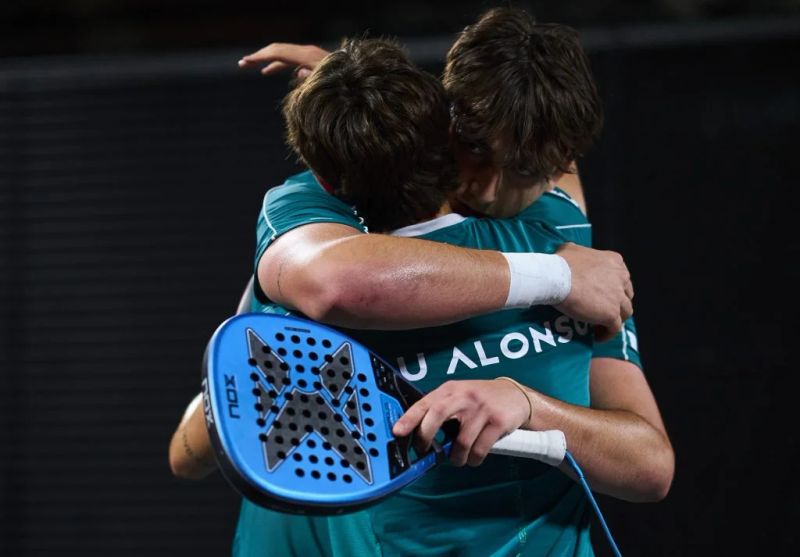
The Patinoire de Bordeaux Mériadeck quickly turned into a pressure test for the French favourites as Bordeaux P2 began to shift toward Centre Court and the local crowd. Juanlu Esbri and Álex Ruiz handled the first men’s main-draw hurdle with a 6-4, 6-2 win over Javi Garcia and José Jimenez, then Aimar Goñi and Edu Alonso followed with a tougher 6-3, 3-6, 6-3 victory over Maxi Sánchez Blasco and Sanyo Gutiérrez.
That opening day mattered because Bordeaux is a compact stop on the 2026 Premier Padel calendar, staged indoors in front of a 28-team men’s main draw and a 24-team women’s draw with €264,534 in prize money. With only three competition courts in play and the main draw running through 5 July, there was little room for a slow start to turn into an early exit. The first two matches showed two different ways to survive that kind of pressure: Esbri and Ruiz stayed clean and efficient, while Goñi and Alonso absorbed a setback before resetting in the deciding set.
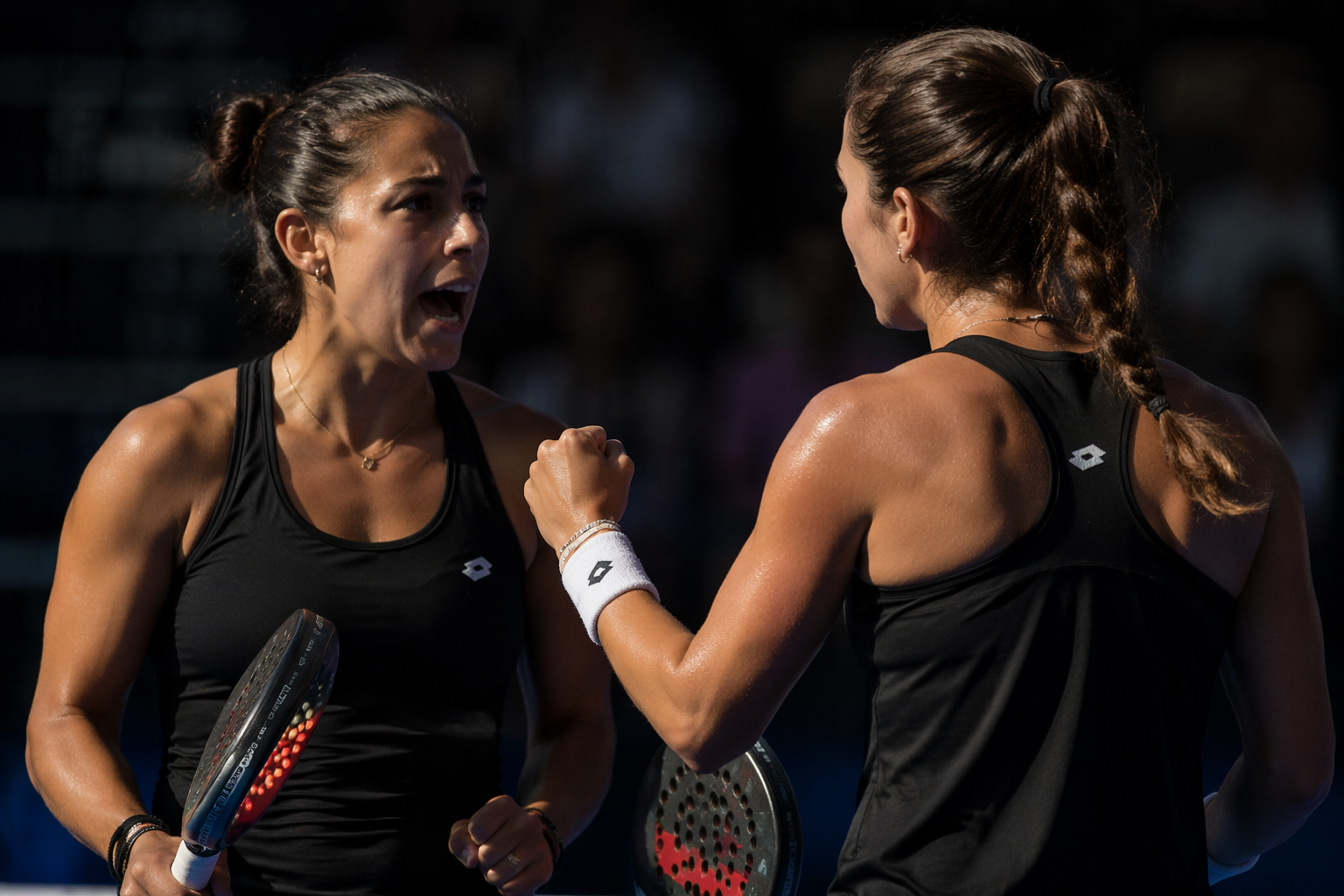
The French storyline was even sharper on the women’s side. Alix Collombon, France’s top-ranked player, and Ksenia Sharifova kept the home challenge alive by beating Jana Montes and Lucía Sainz 6-2, 5-7, 7-6 in a match that swung on the edge of a finish, with Montes and Sainz holding three match points. Léa Godallier and Daiara Valenzuela fell 6-3, 7-5 to Bea Caldera and Carmen Goenaga, leaving Collombon as the clearest local reference point as the tournament moved toward its next round.
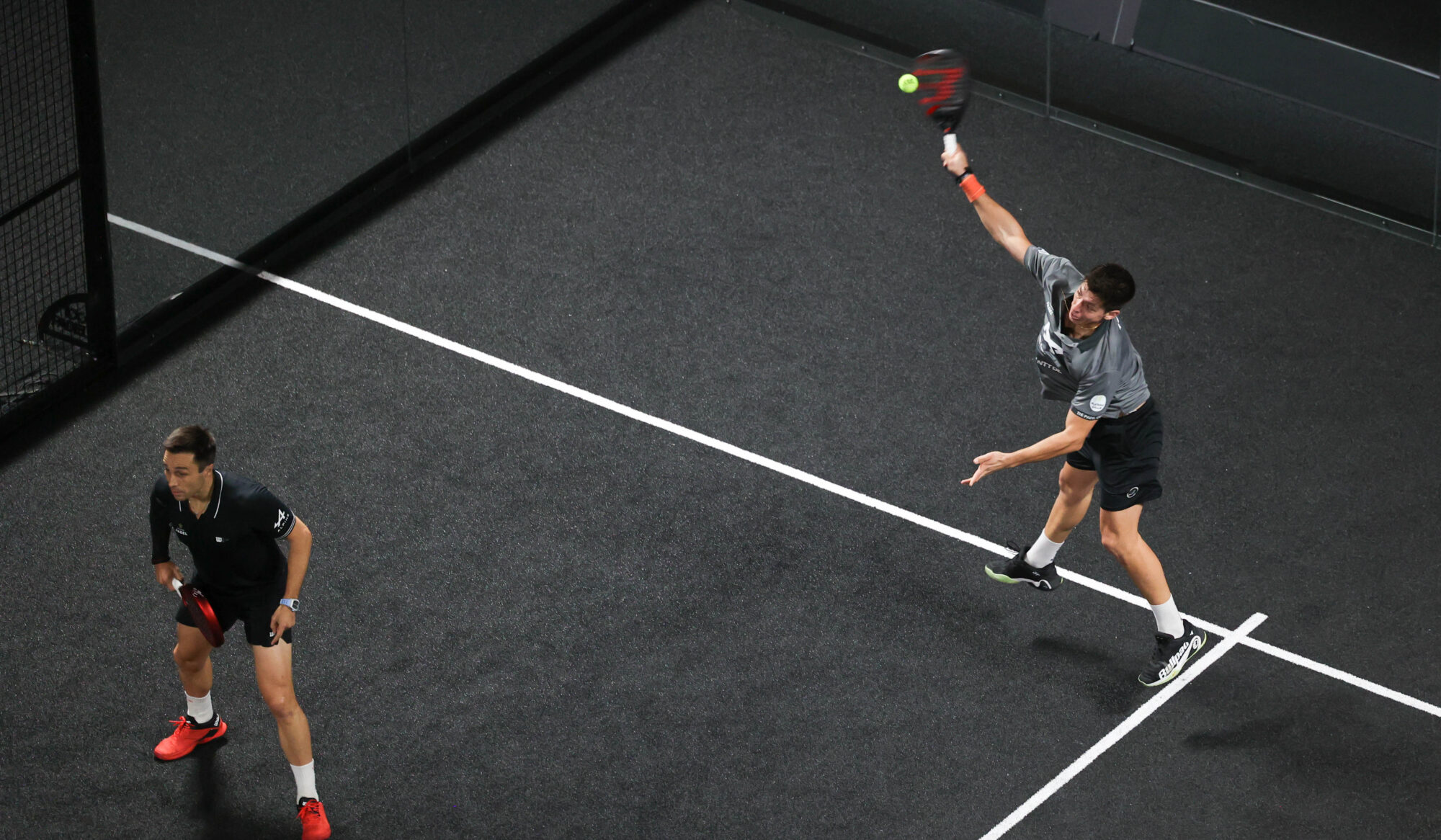
The rankings framed why those results carried so much weight. Before Bordeaux, Esbri was No. 24 and Ruiz No. 21 in the FIP standings, while Alonso sat at No. 18, enough to make the pairings dangerous but not invincible. The field was about to tighten further, with the top four men’s seeds due to make their debuts on Thursday and names such as Francisco Navarro at No. 10, Martín Di Nenno at No. 12, Francisco Guerrero at No. 13 and Javi Leal at No. 17 waiting in the wings. In that context, Bordeaux’s first real turning point looked less like a ranking exercise and more like a test of who could handle the noise, the pace and the first wave of pressure.
Sources
- [1]padelfip.com
- [2]premierpadel.com