European Racquetball Federation opens bids for 2027, 2029 championships
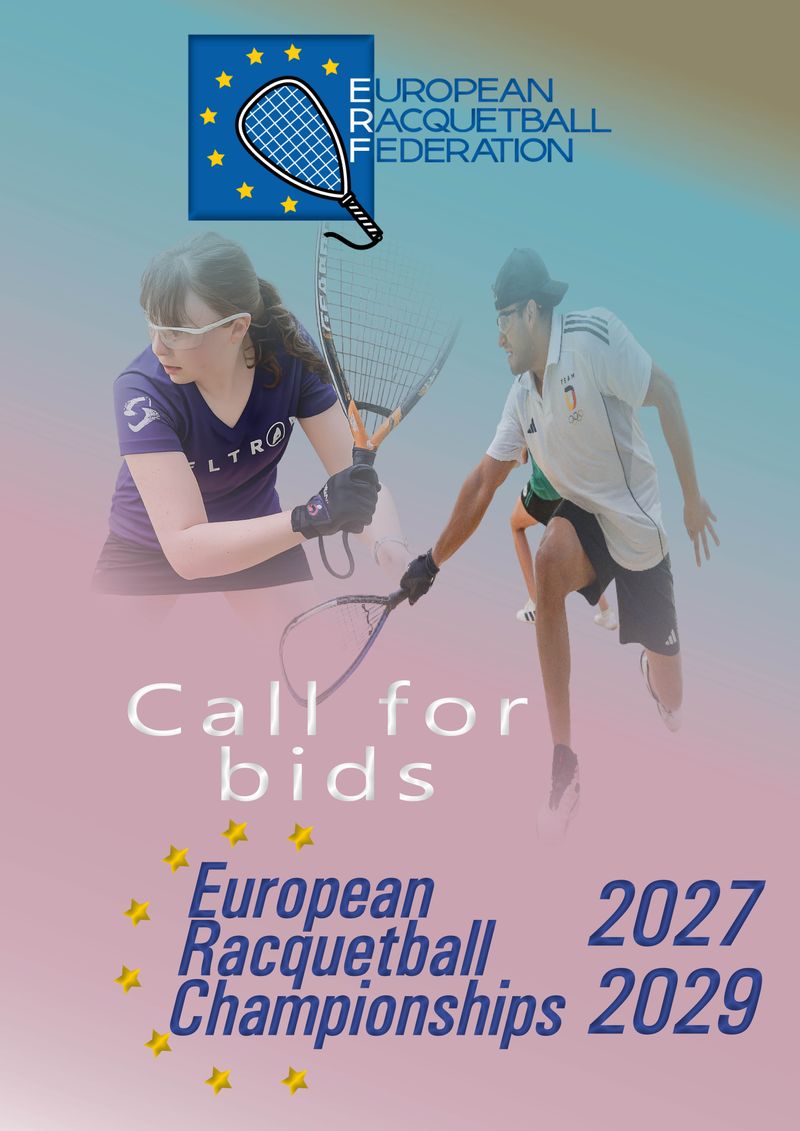
The European Racquetball Federation opened bidding for the 2027 and 2029 European Racquetball Championships, giving member countries a chance to claim one of the continent’s biggest stages two cycles at a time. The move was more than a scheduling notice. It showed the federation planning well ahead and asking national programs to compete for the right to host an event that draws athletes, coaches and officials from across Europe.
The timeline is already set. Bids for 2027 are due by Aug. 31, 2026, while proposals for 2029 must be submitted by Oct. 31, 2026. That kind of early runway matters in racquetball, where hosts need enough time to lock in court space, build local organizing committees and put together the staffing required for draws, officiating and results operations. A federation that can meet those standards is not just staging matches. It is proving it can run a championship at a level that players will trust.
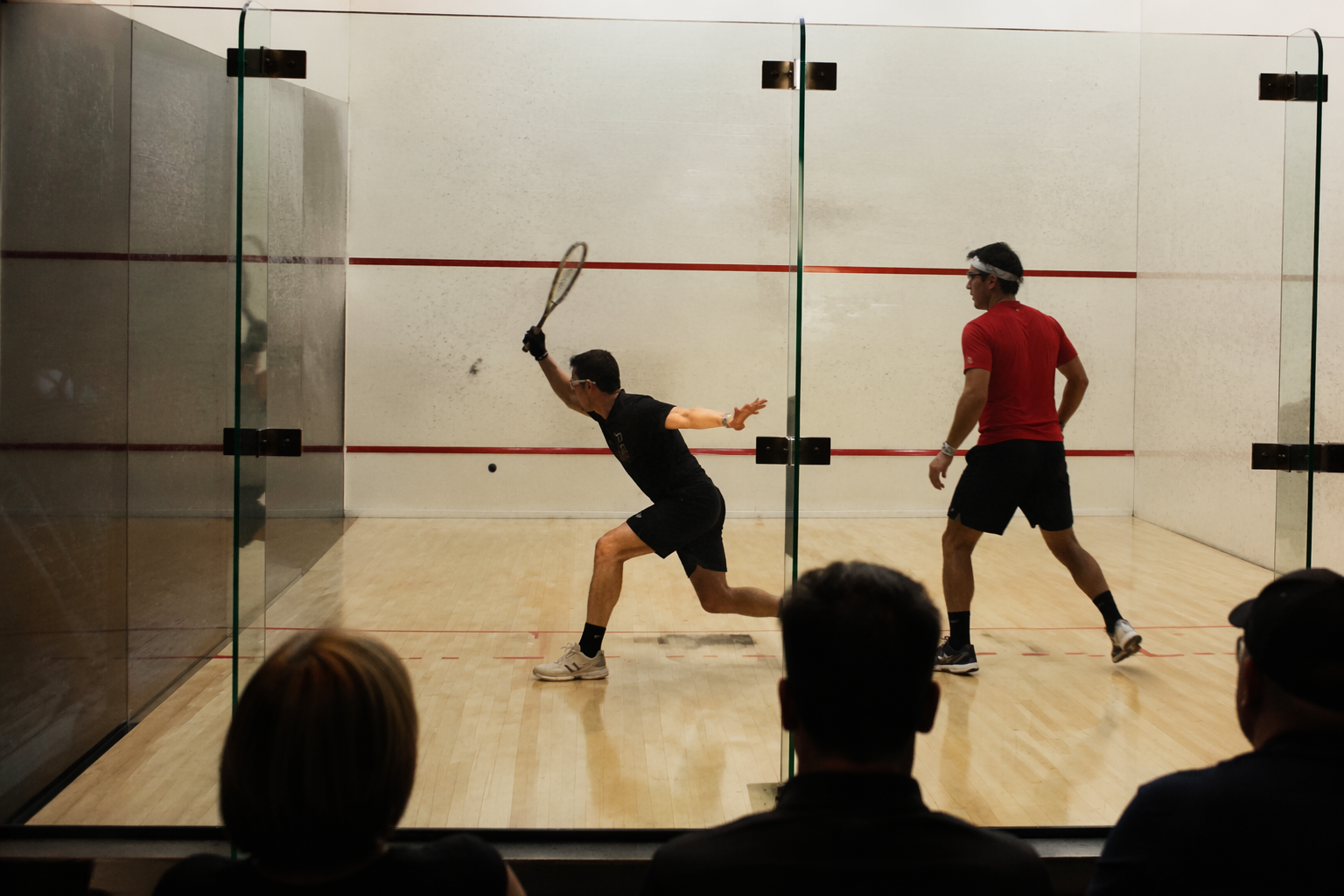
The bidding process also puts the spotlight on what makes a successful European championship host. Court availability is the first test, but it is not the only one. Travel access, accommodation options and the ability to manage tournament logistics now sit right alongside the playing venue. For a sport that still depends on tight-knit national federations and volunteers, those details determine whether a championship feels polished and visible or improvised and fragile.
That is why this announcement carries strategic weight for the sport’s map in Europe. An open bid process gives different countries a real path to host, instead of leaving the same few federations to shoulder the event year after year. It can help spread the burden, broaden the championship’s reach and give emerging racquetball nations a reason to invest in infrastructure that will still matter after the medals are handed out.
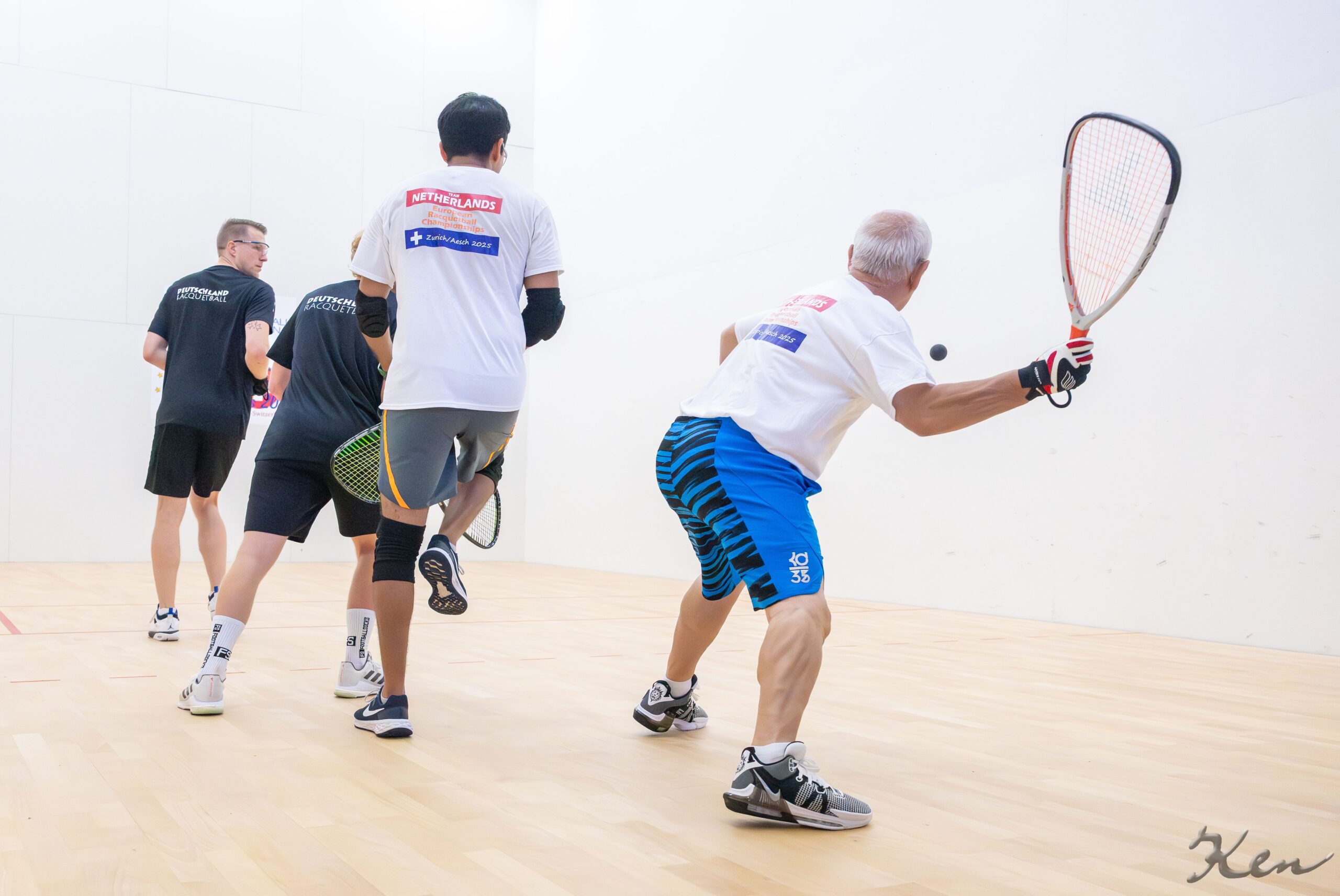
The long-term upside is clear for any federation willing to build around the event. A successful bid can strengthen the case for facility upgrades, support youth programming and sharpen coach development. It can also give national-team programs a target date that justifies deeper preparation and stronger domestic competition. In a small sport, that kind of catalyst matters. Hosting the European Championships can turn a single week on the calendar into a platform for visibility, development and continuity that lasts far beyond 2027 or 2029.