F1 vs. IndyCar in 2026: Key Differences Reshape Racing’s Future
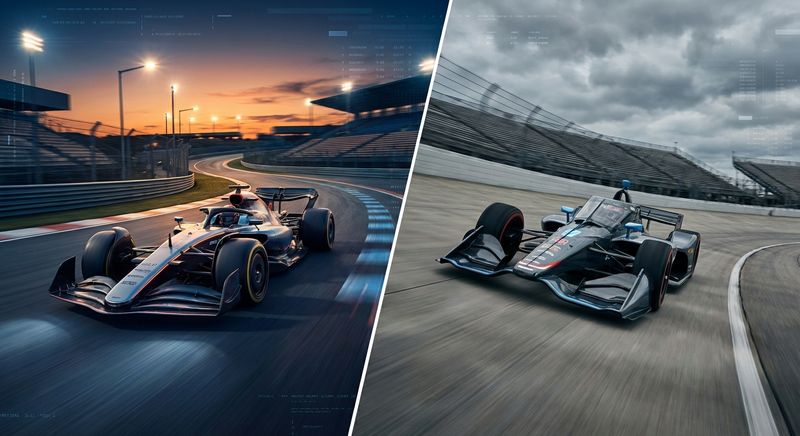
The rivalry between Formula 1 and IndyCar has long shaped the landscape of international motorsport, and in 2026, their diverging paths are more pronounced than ever. Both series promise thrilling action, but their fundamental differences—from technical regulations to race formats—are set to define the fan experience and driver challenges in new ways.
IndyCar and Formula 1 each continue to innovate, but their approaches reflect distinct philosophies. Understanding these contrasts is essential for fans and newcomers alike as motorsport enters a new era.
- Technical Regulations: In 2026, Formula 1 will introduce sweeping changes to its power units. F1 cars will employ advanced hybrid systems, aiming for greater efficiency and sustainability. IndyCar, meanwhile, maintains a more standardized approach, with teams using similar chassis and engines, keeping competition tight but less technologically diverse.
- Chassis and Aerodynamics: F1 teams build their own chassis, leading to significant variation in car design and performance. This encourages technological arms races and innovation. IndyCar relies on a spec chassis, supplied by Dallara, which levels the playing field and focuses more on driver skill.
- Global Reach: Formula 1 is renowned for its worldwide schedule, with races spanning five continents. In 2026, F1 will continue to expand its calendar, targeting emerging markets and iconic venues. IndyCar remains primarily North American, with a focus on classic circuits and street courses in the United States, plus the famed Indianapolis 500.
- Race Formats: F1 typically features Grand Prix weekends with practice, qualifying, and a single race. IndyCar offers a mix of formats, including doubleheader weekends, oval races, and traditional road courses. This variety tests drivers in unique ways.
- Driver Pathways: Formula 1 drivers are often scouted from global karting and junior formulas, with talent pipelines stretching across Europe, Asia, and the Americas. IndyCar draws heavily from American open-wheel and European feeder series, but its grid often includes veteran drivers and international stars seeking new challenges.
- Budget and Team Structures: F1 teams operate with budgets often exceeding hundreds of millions of dollars, employing large engineering staffs and investing heavily in research. IndyCar teams work with smaller budgets and staff sizes, making the series accessible to more entrants and emphasizing cost control.
These contrasts mean fans can expect distinct experiences from each series. Formula 1’s technological complexity and global reach bring cutting-edge innovation and international drama. IndyCar’s focus on parity and diverse race formats delivers unpredictable outcomes and tests drivers across disciplines.
As 2026 unfolds, both Formula 1 and IndyCar will showcase their unique strengths, offering motorsport enthusiasts a choice between the pinnacle of racing technology and the excitement of tightly contested, varied competition. For more details on schedules, statistics, and driver profiles, visit the official Formula 1 and IndyCar websites.
Sources
- [1]IndyStar